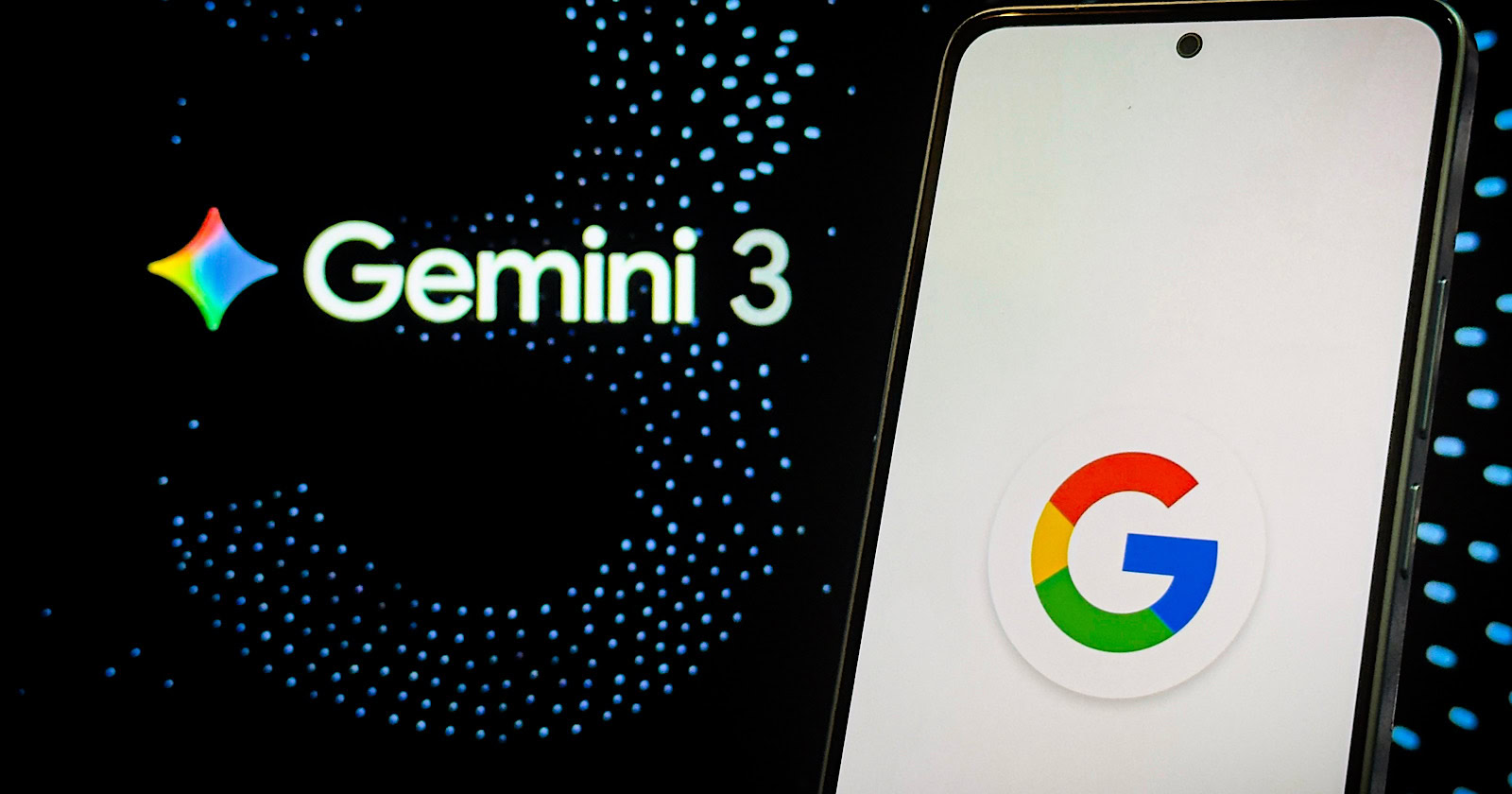
Google's recent integration of Gemini 3 into its AI Overviews marks a significant shift in the landscape of online search. This move, as reported by Search Engine Journal and The Verge, aims to enhance user interactions by allowing seamless follow-up questions, effectively transforming the search engine into a more conversational AI platform. While this development promises increased convenience, it also raises important questions about the future of information access and the implications for content creators.
The current narrative surrounding Google's AI advancements is largely positive. Many users and industry experts view the integration of Gemini 3 as a step toward a more intuitive and efficient search experience. By enabling users to engage in ongoing conversations with AI, Google positions itself as a leader in the AI-driven search space. The expectation is that users will benefit from quicker, more accurate answers to their queries without the need to sift through multiple search results.
However, this belief overlooks some critical issues. As Search Engine Land highlights, the shift to AI Mode means that users are more likely to remain within Google's ecosystem instead of visiting external websites. This change could have a profound impact on the digital economy, where website traffic often translates directly into revenue. By reducing the need for users to click through to external sites, Google's new approach may inadvertently stifle the diversity of information available to users.
The real-world tension becomes evident when considering the potential consequences for content creators. With users engaging more with AI Overviews, websites may see a decrease in traffic. This reduction not only affects advertising revenue but also limits the exposure of diverse viewpoints and smaller publishers. The Verge notes that Google's move makes Search less about links and more about AI, which could centralize information control and reduce the variety of perspectives traditionally accessible through search engines.
In light of these developments, our editorial stance is clear: while AI-enhanced search offers undeniable benefits, it also necessitates a careful examination of its broader implications. Google's dominance in the search market places a responsibility on the company to ensure that its AI advancements do not come at the expense of information diversity and accessibility. It is crucial for Google to balance its innovations with the needs of content creators and users who rely on a vibrant and varied online information ecosystem.
Moreover, the shift towards AI-driven search raises questions about the transparency and accountability of the information provided. Users must be able to trust that the responses generated by AI are unbiased and accurate. Google's role as both the provider of search technology and the arbiter of information quality places it in a unique position of influence. This power necessitates ongoing scrutiny and dialogue about the ethical implications of AI in search.
In conclusion, while Google's integration of Gemini 3 into its AI Overviews represents a technological leap forward, it is essential to consider the broader impacts on the digital landscape. The potential for reduced website traffic, decreased information diversity, and increased control by a single entity are concerns that must be addressed. As we move towards a more AI-centric search future, stakeholders must engage in discussions to ensure that technological advancements serve the greater good of a free and open internet.