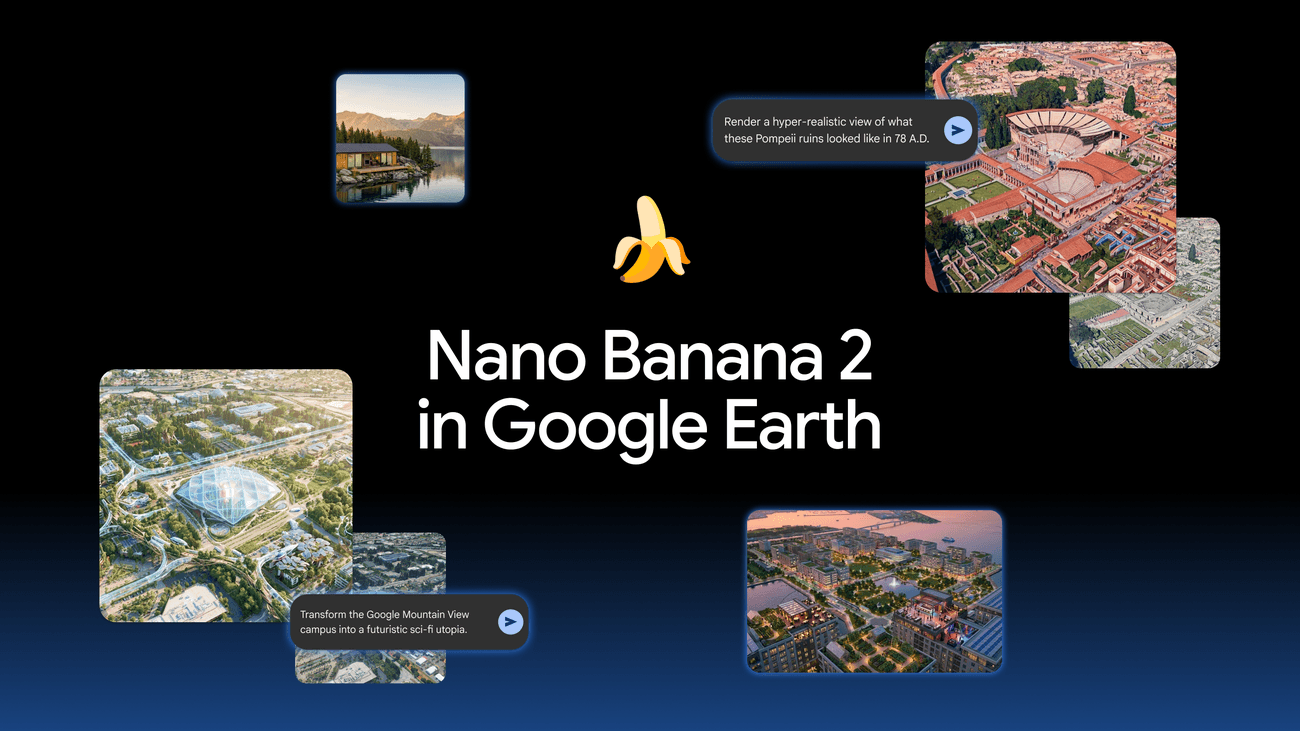
In an unexpected twist, Google's Nano Banana tool for Google Earth emerged and disappeared almost as quickly as it arrived. Designed to let users transform real-world locations with AI-generated images, the tool tapped into Google Earth's vast satellite, aerial, and 3D imagery. The promise seemed simple: let your imagination run wild by reimagining any place on Earth. However, the reality was far more complex.
Why Google Thought Nano Banana Was a Good Idea
The intention behind Nano Banana was clear: to push the boundaries of creativity using cutting-edge AI. By allowing users to redesign locations with text prompts, Google sought to engage users in a new form of digital exploration. As mentioned in a Google blog post, the feature aimed to make Google Earth not just a tool for observation but also for creation.
Google's technology included a digital watermark, SynthID, to identify AI-generated images and discourage misuse. The idea was to enable users to distinguish between genuine satellite images and AI-modified ones, thus maintaining a level of trust in the authenticity of real-world data.
Unanticipated Consequences and Ethical Dilemmas
Despite these precautions, the rollout quickly revealed potential for misuse. As reported by The Verge, users like Digital Digging's Henk van Ess demonstrated how easily the tool could create convincing yet entirely fabricated images. The implications were immediate and concerning: AI-generated images of refugees near the Mexican border or bomb craters by hospitals could spark misinformation and geopolitical tensions.
The tool's capability to blur the line between reality and fiction was not lost on the public or on Google. The rapid shutdown, just a day after its introduction, underscored the ethical challenges of deploying such technologies without thorough safeguards and oversight.
What This Means for AI and Reality
The Nano Banana incident highlights a critical tension in AI development: the balance between innovation and responsibility. As AI tools become more powerful, their potential for both creativity and chaos grows. This case illustrates the need for companies to anticipate not just technical constraints but the broader societal impacts of their technologies.
Moving forward, companies like Google must consider implementing robust ethical frameworks and community guidelines before releasing such powerful tools. This includes comprehensive testing phases and perhaps a slower, more controlled rollout to gauge public reaction and potential misuse scenarios.
The Future of Google Earth and AI Tools
While the Nano Banana tool in its current form may be shelved, the ideas it represented are likely to resurface in more cautious implementations. Google and other tech giants must learn from this episode, ensuring that future innovations prioritize not just what is possible but what is ethical and beneficial for society.
The incident serves as a wake-up call for the tech industry. It is not enough to create groundbreaking tools; there must be an equally focused effort on understanding and mitigating potential negative consequences. As AI continues to evolve, the responsibility to wield it wisely will become ever more critical.