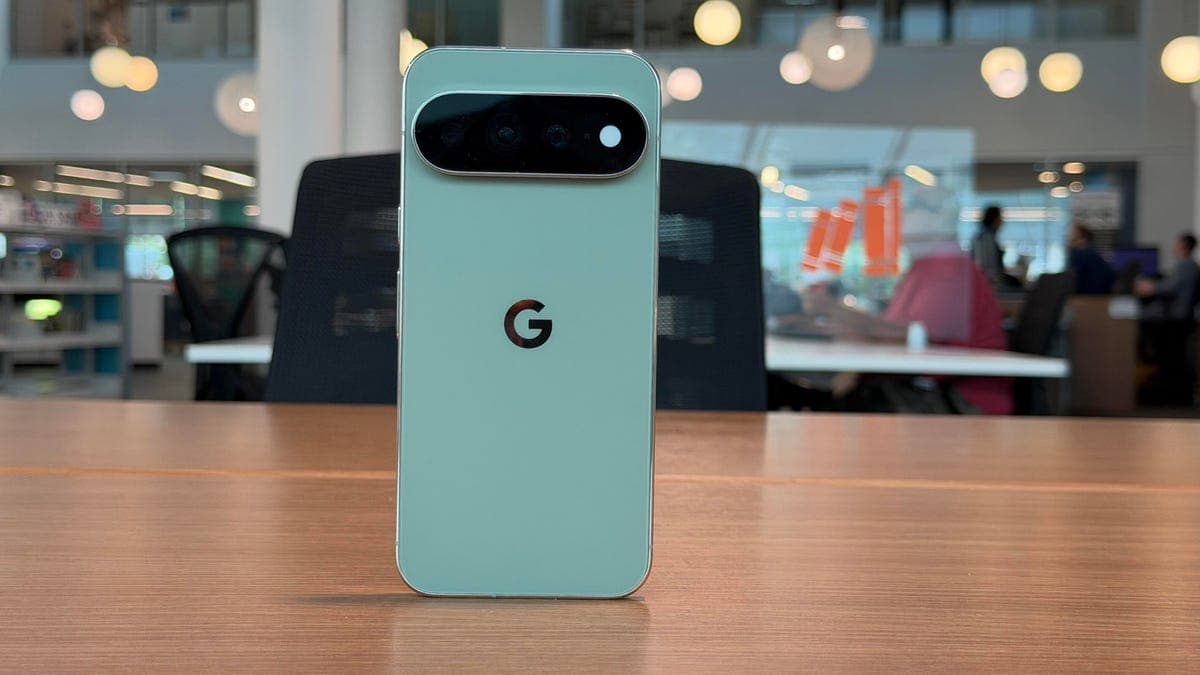
The launch of Google's Pixel 11 series has stirred the tech community, with reactions ranging from excitement to skepticism. At the heart of this mixed reception is the tension between Google's promise of innovative features and the reality of its hardware offerings. With the Pixel 11 Pro XL and the Pixel 11 Pro Fold, Google seems caught in a cycle of minor upgrades, even as competitors like Samsung and Apple push the boundaries of mobile technology.
Why Google's Innovation Claims Fall Short
Google has positioned the Pixel 11 series as a device that helps users engage less with their phones, promoting features that assist with booking reservations and enhancing communication efficiency. However, as pointed out by The Verge, these software-driven promises overshadow the hardware, which remains largely unchanged from previous models. Moreover, the new AI tricks, while clever, do not compensate for the lack of substantial hardware advancements.
The Pixel 11 Pro Fold, in particular, feels outdated. According to The Verge, the foldable phone market is rapidly evolving, with Samsung leading the charge by refining their devices to be thinner, lighter, and less creased. In contrast, Google’s foldable appears to have stagnated, with a design that fails to embrace these industry advancements.
The Disconnect Between Features and User Needs
Google's approach seems to focus heavily on software innovation while neglecting hardware enhancements. As ZDNet notes, while the Pixel 11 Pro XL boasts aesthetically pleasing hardware, its camera performance is subpar without optimal lighting. This highlights a critical misalignment: users often demand reliable hardware performance as much as they do innovative software.
This gap between user expectations and product delivery is a repeating theme. Google’s strategy to fix our relationship with technology by encouraging less screen time is commendable but falls flat without the backing of robust hardware innovations. In a market driven by tangible advancements, mere software tweaks are insufficient to captivate an increasingly discerning audience.
What Changes Next for Google's Pixel Series?
The next steps for Google in the smartphone market should focus on aligning their hardware capabilities with their software ambitions. As competitors like Samsung and Apple set new standards in design and functionality, Google must innovate beyond incremental changes. This could mean investing in more versatile camera systems or adopting new form factors that truly differentiate their devices.
For consumers, the implications are clear: while Google's software might promise to enhance our tech interactions, the lack of corresponding hardware improvements means that user experience might not meet expectations. As the market evolves, consumers will likely gravitate towards brands that offer comprehensive advancements, both in terms of software and hardware.
Conclusion: The Need for a Balanced Approach
Google's Pixel 11 series underscores a broader industry challenge: the need to balance software innovation with hardware progression. As tech giants race to outpace each other with cutting-edge features, there lies a critical lesson in ensuring that advancements are holistic. Google's future success will hinge on its ability to marry its software prowess with hardware that meets, if not exceeds, the evolving expectations of its users.