
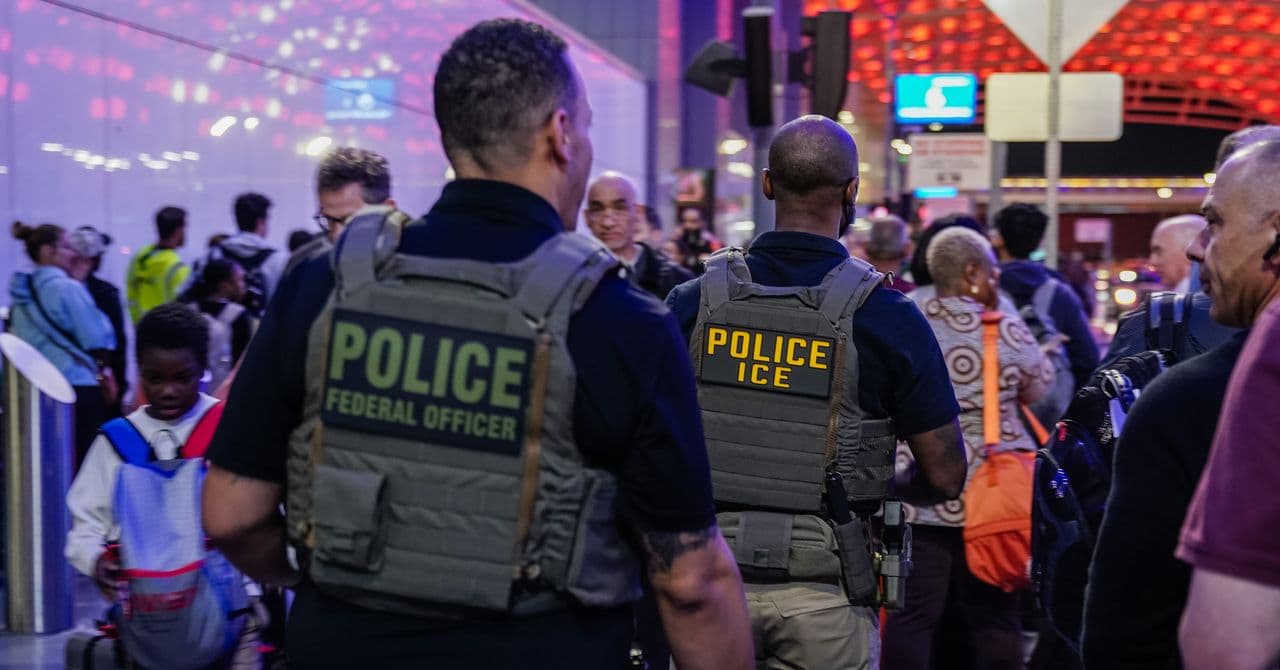
In recent months, the deployment of ICE agents at major US airports has sparked a national debate, raising questions about the balance between security and civil liberties. This development has not only affected travelers but also ignited discussions about privacy and governmental overreach.
Why Are ICE Agents Swarming Airports?
The presence of ICE agents at airports like New York's JFK and Chicago's O'Hare has been linked to increased security measures amid a partial government shutdown. According to Wired, these deployments are part of a broader strategy to enhance border security and enforcement. The government argues that such measures are necessary to maintain national safety, especially with ongoing staff shortages in organizations like the TSA due to the shutdown.
Security Measures or Overreach?
Critics argue that the presence of ICE agents at airports is an overreach of governmental power and a potential threat to civil liberties. The Verge reports that the deployment has caused significant delays and disruptions, exacerbating the already chaotic travel conditions due to the TSA's reduced workforce. Travelers are now facing longer wait times and increased scrutiny, amplifying concerns about privacy and personal freedoms.
Real-World Impacts and Public Reaction
The impact of these policies is being felt by travelers nationwide. The increased wait times at security checkpoints are not just an inconvenience but a reflection of broader systemic issues. The Verge highlights the frustrations of those who arrive at airports hours in advance, only to be caught in lengthy security lines. This intensified scrutiny raises questions about the effectiveness and necessity of such measures in fostering true security.
"I arrived at John F. Kennedy International Airport nearly five hours before my domestic flight," writes a traveler on The Verge, illustrating the drastic measures passengers are taking to avoid missing flights.
Balancing Security with Civil Liberties
The discussion around ICE's presence at airports is complex, involving a delicate balance between ensuring security and protecting individual rights. While national security remains a priority, the implications of these actions could be far-reaching, affecting public perception and trust in governmental agencies.
Ultimately, it is crucial for policymakers to consider both the immediate and long-term impacts of such security measures. The current approach may serve immediate security needs but at the potential cost of eroding civil liberties and public trust. Moving forward, a more nuanced strategy that respects personal freedoms while ensuring safety could offer a more balanced solution.