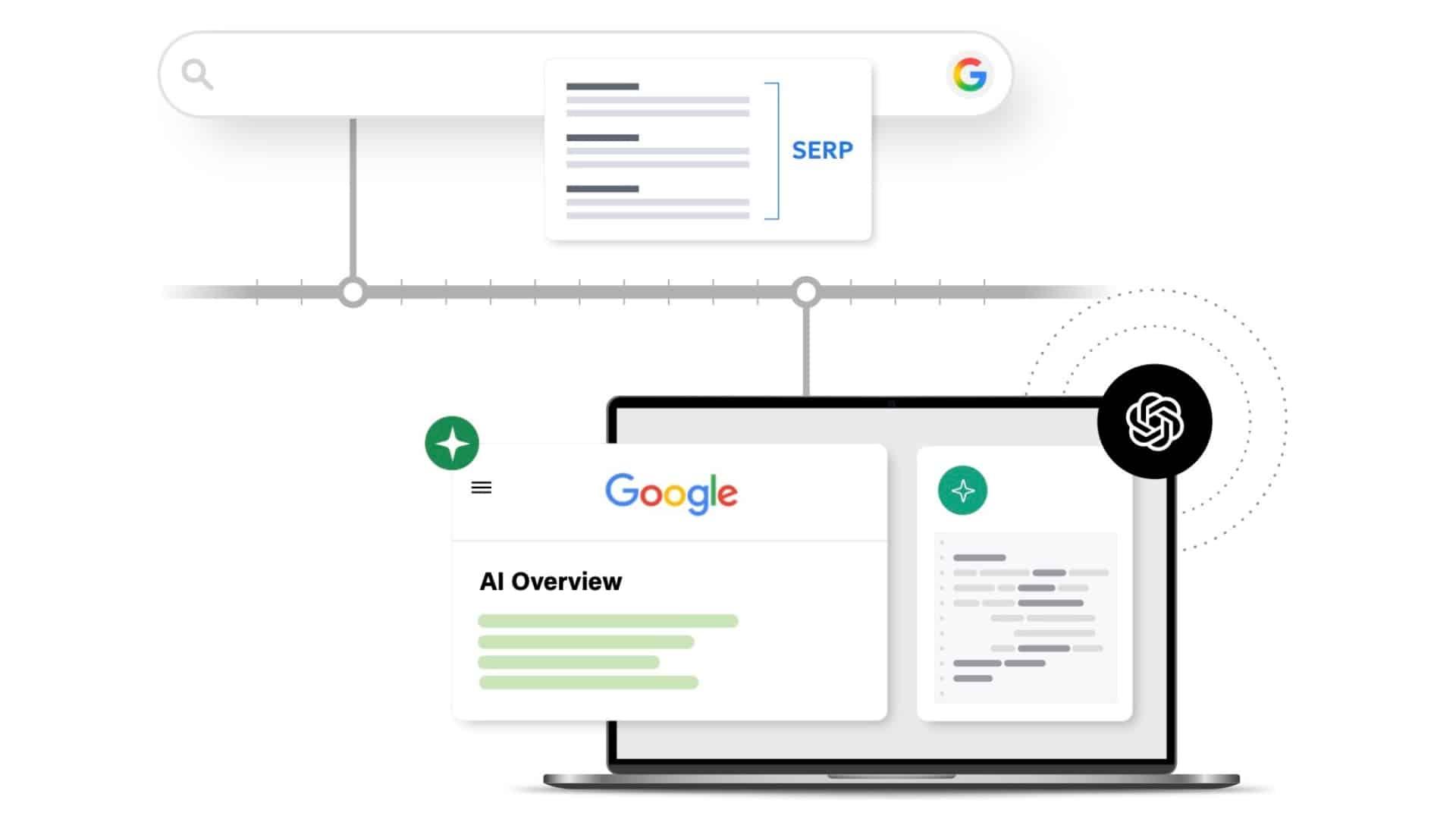
In the world of digital marketing, organic search has long been a cornerstone of strategy for businesses looking to drive traffic and boost visibility. However, recent trends suggest that this foundational element might be undergoing significant changes, leading to confusion and concern among marketers. With Google referrals down and the use of large language models (LLMs) on the rise, is it time to sound the alarm for the future of organic search?
Why We Are Stuck on Rankings and Referrals
For years, the digital marketing community has been deeply invested in search engine optimization (SEO) as a primary method for improving website rankings and gaining visibility. This focus on SEO is largely due to the perceived reliability of search rankings as a metric of success. However, as noted in a recent article from MarTech, the landscape is shifting. The decline in Google referrals and the increasing sophistication of LLMs suggest that relying solely on rankings might no longer be enough to ensure discoverability.
Marketers have historically leaned on SEO because it offered a clear, measurable way to track performance. Ranking high on Google search results often meant increased traffic and, consequently, more opportunities for conversion. But with these traditional metrics now being questioned, it's essential to re-evaluate what truly drives organic traffic in today's digital landscape.
The Overlooked Flaws in Traditional SEO Thinking
While rankings have been a reliable indicator in the past, the assumption that they will continue to provide the same level of benefit is increasingly being challenged. The MarTech article highlights how discoverability now depends on a combination of metrics, structure, and authority, not just rankings alone. This shift calls into question the traditional reliance on SEO strategies that prioritize rankings above all else.
"Discoverability now depends on metrics, structure, and authority — not rankings alone," MarTech notes, emphasizing the need for a more holistic approach to digital marketing.
The focus needs to move towards creating authoritative content that resonates with the audience, rather than merely trying to game the system for better rankings. This is a significant pivot that requires marketers to think beyond keywords and backlinks, and instead, focus on the quality and relevance of their content.
Real-World Tensions Reveal SEO's New Challenges
The tension between traditional SEO practices and the evolving digital ecosystem is palpable. A discussion from Search Engine Journal highlights the ongoing debate between SEO and pay-per-click (PPC) strategies, noting that each has its place but must be balanced according to the business's goals and market conditions. Search Engine Journal argues that understanding how these strategies scale and compete is crucial for driving business growth.
This real-world tension is further compounded by the rapid advancements in AI and machine learning, changing how content is indexed and displayed. As these technologies continue to evolve, the need for a more integrated approach that combines SEO with other digital marketing strategies becomes increasingly evident.
Why Adapting to Change Is Non-Negotiable
Given the current state of flux in the digital landscape, it's clear that sticking to outdated SEO practices is not a viable option. The future of organic search lies in adaptability and innovation. Marketers must be willing to embrace new metrics and strategies that emphasize content quality and user experience over traditional ranking factors.
In conclusion, while the disruption in organic search may seem daunting, it presents an opportunity for marketers to rethink their strategies and adopt a more holistic approach to digital marketing. By focusing on building authority and delivering valuable content, businesses can navigate this changing landscape and continue to thrive.