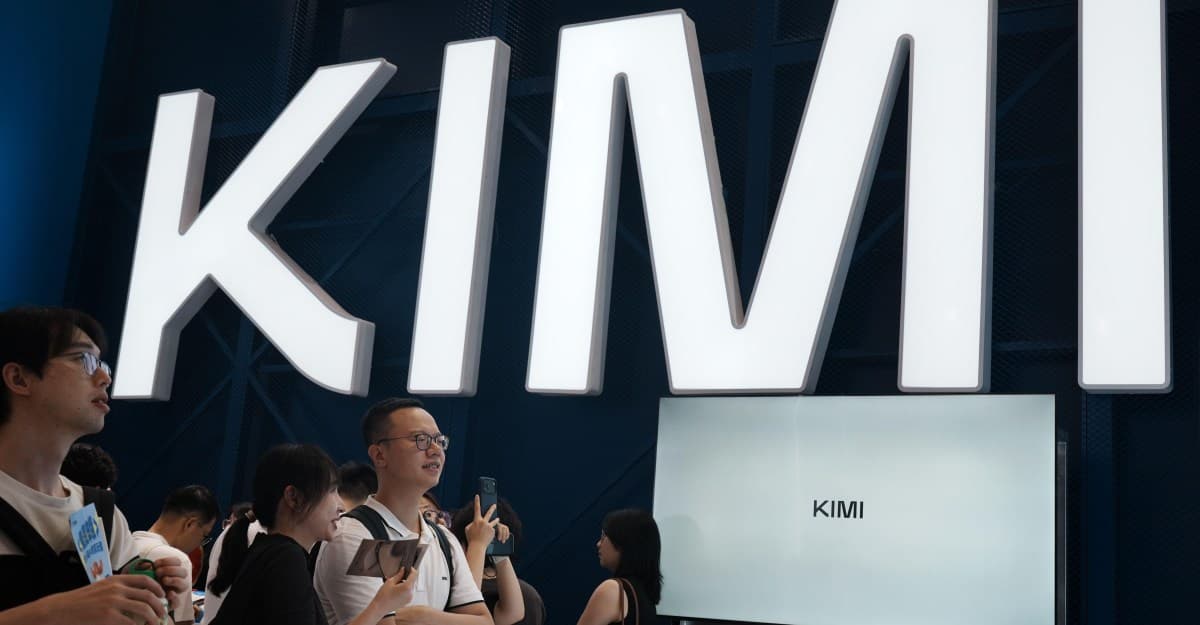
In the rapidly evolving landscape of artificial intelligence, a new player has emerged, challenging the longstanding dominance of Silicon Valley. Moonshot AI's Kimi K3, a Chinese model, has not only matched but, in some cases, surpassed the capabilities of American models, all while being offered at a fraction of the cost. This development has sent shockwaves through the tech industry, particularly because Moonshot plans to release the model's weights for free, targeting US developers directly.
Why Silicon Valley Is Alarmed by Open-Weight AI Models
The arrival of Kimi K3 has sparked intense debate within Silicon Valley. Traditionally, American companies have maintained a competitive edge by keeping their models proprietary, ensuring that they control access and monetization. However, the introduction of open-weight models like Kimi K3 allows developers to have far greater control and flexibility. This shift threatens to undermine the business models of companies reliant on closed systems.
Major tech giants are particularly concerned. While open models democratize AI, making it more accessible, they also pose a risk of eroding the market share of established players. This tension is palpable, with some smaller startups welcoming the change and others raising alarm bells about the potential risks of Chinese dominance in AI.
What's Really at Stake for US Tech Companies
At the heart of this debate is a strategic dilemma for US tech companies. The open-weight model approach could lead to widespread innovation by allowing more developers to build on existing technologies. However, it also introduces risks related to security and intellectual property, particularly when the models originate from geopolitical rivals like China.
The concern is not just about economic competition; it is also about technological sovereignty. As these open models gain traction, American companies must decide whether to adapt by opening their own models or doubling down on their proprietary strategies. This decision will likely shape the future competitive landscape of AI.
How the Tech World Is Responding to This AI Shakeup
The response to Moonshot AI's release is mixed. Some startups see an opportunity to leverage these open models to innovate and disrupt the market. They argue that the flexibility offered by open weights can lead to breakthroughs previously stifled by closed systems. On the other hand, established companies are wary, fearing that the security implications and potential loss of market control could outweigh the benefits.
There are also broader implications for global AI ethics and governance. With open models being more accessible, the line between innovation and exploitation becomes blurred. As these technologies become more widespread, the need for robust ethical guidelines becomes more pressing.
The Future of AI Is Uncertain but Promising
As we look to the future, the debate over open versus closed AI models will continue to evolve. US companies might need to reconsider their strategies, potentially adopting more open approaches or innovating to maintain their competitive edge. Whatever the path forward, one thing is clear: the entrance of Chinese open-weight AI models like Kimi K3 is reshaping the industry, and players on both sides of the Pacific must adapt to stay relevant.