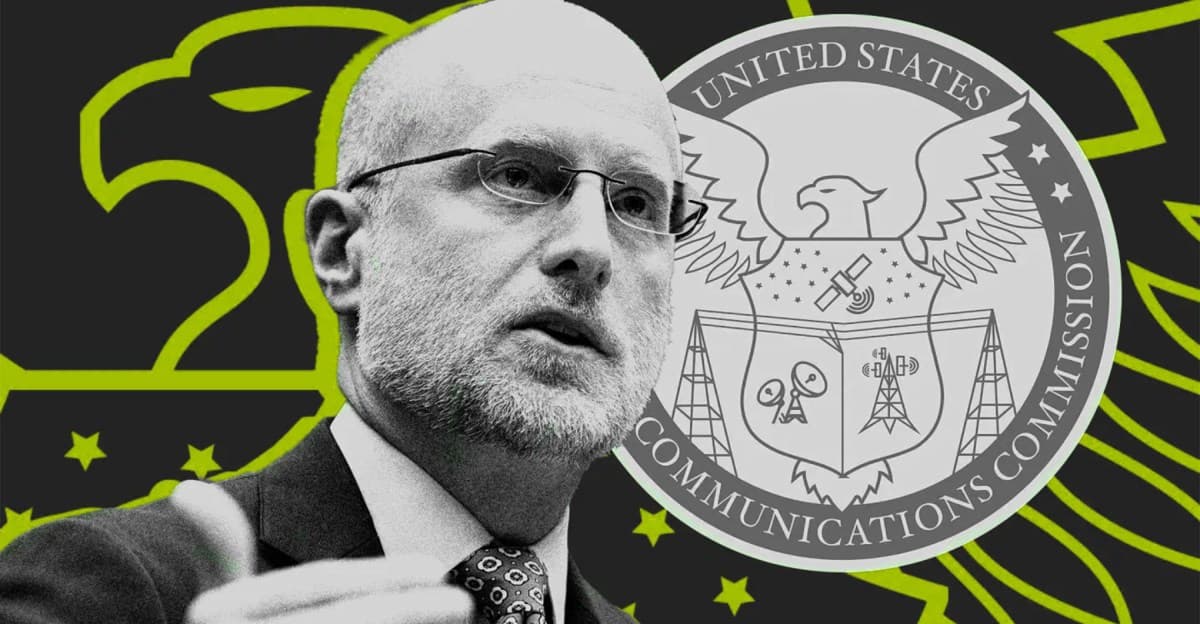
The recent lawsuit filed by ABC against the Federal Communications Commission (FCC) has spotlighted a growing tension between governmental oversight and media freedom. ABC's allegations that the FCC is retaliating against its critical news coverage of political figures underscore a significant clash between media rights and regulatory authority. As the FCC demands early broadcast license renewals from ABC stations, the network claims these actions are punitive, targeting them for their critical political content, particularly from shows like The View and segments featuring Jimmy Kimmel.
Governmental Oversight or Political Retaliation?
At the heart of this lawsuit is a fundamental question: Is the FCC exercising legitimate regulatory duties, or is it overstepping by penalizing a network for its editorial content? According to a report from Adweek, ABC alleges that the FCC's unprecedented demand for early license renewals is an attempt to curb its freedom of speech. This follows an investigation into how The View managed airtime for political candidates, suggesting a potential motive rooted in political favoritism.
The Stakes of Political Coverage
ABC's position, detailed in the lawsuit covered by The Verge, highlights the risks media companies face when engaging in politically charged reporting. The network's claim that the FCC's actions are retaliatory reflects broader concerns about the potential misuse of regulatory power to influence or control media narratives. Such a precedent could stifle journalistic independence and discourage networks from covering controversial issues.
Implications for Media Freedom and Regulation
If ABC's claims hold merit, this case could reshape the landscape of media regulation in the United States. A ruling in favor of ABC might reinforce the protection against governmental interference in editorial decisions, serving as a bulwark for media independence. Conversely, if the FCC's actions are deemed lawful, it could embolden further regulatory scrutiny on networks, particularly those critical of political authorities.
This legal battle raises essential questions about the future of media relations with regulatory bodies. Should the government possess the power to regulate critical media content, or does this undermine the foundational principles of free speech and the press? These questions are central to the ongoing debate and the outcome of this lawsuit will be closely watched by media entities and free speech advocates alike.