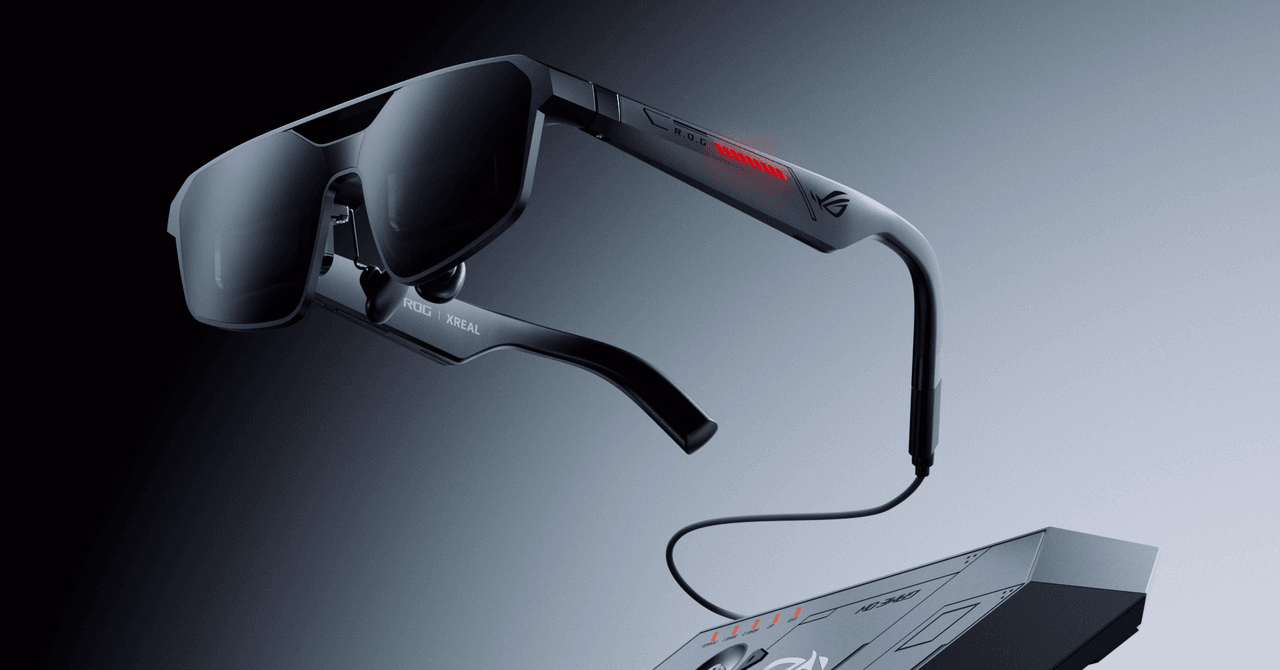
Meta's ambitious leap into wearable tech with their smart glasses has stirred more controversy than expected. Despite impressive sales figures, the backlash over privacy concerns is growing louder. Customers are finding themselves in the crosshairs of public scrutiny, leading to bans and restrictions in certain places. Meanwhile, the tech world is witnessing a shift toward simpler, more practical alternatives, like tethered virtual display glasses, which are gaining traction for their straightforward utility.
Why Meta's Smart Glasses Are Facing Pushback
Meta's glasses promised an augmented reality experience that seamlessly integrated with daily life. Yet, the reality has been less than ideal. According to a report from Social Media Today, the main concern revolves around misuse, leading to privacy invasions and unauthorized recordings. The glasses, equipped with cameras, have sparked a wave of public anxiety, prompting the development of apps designed to alert users when such devices are nearby.
This unease has translated into tangible actions. Certain venues have outright banned these devices, while others impose strict restrictions. The public's discomfort with being unknowingly recorded is a significant hurdle that Meta must overcome to achieve broader acceptance.
Virtual Display Glasses Offer a Simpler Solution
In contrast, tethered virtual display glasses are emerging as a practical alternative. According to a Wired article, these devices trade complex spatial computing for simplicity and utility. Users can plug in and enjoy a private, expansive screen experience, avoiding the complications and privacy concerns associated with Meta's offering.
The appeal of these glasses lies in their straightforward functionality. They do not record or intrude, providing a clear-cut advantage in environments sensitive to privacy. This functional clarity is helping them carve out a niche among consumers seeking utility without the baggage of surveillance fears.
What Changes Next for the Wearable Tech Market
As privacy concerns continue to loom large, the market for wearable tech is poised for shifts. Companies may need to re-evaluate their approach to integrate privacy safeguards more effectively. The emergence of apps that alert users to nearby recording devices demonstrates a growing consumer demand for privacy-first technology.
Looking forward, the success of future wearable tech will likely hinge on balancing innovation with privacy. Products that can offer utility without infringing on personal space are set to thrive. As competitors learn from Meta's challenges, the landscape of wearable tech could see a pivot towards designs that prioritize user comfort and security.