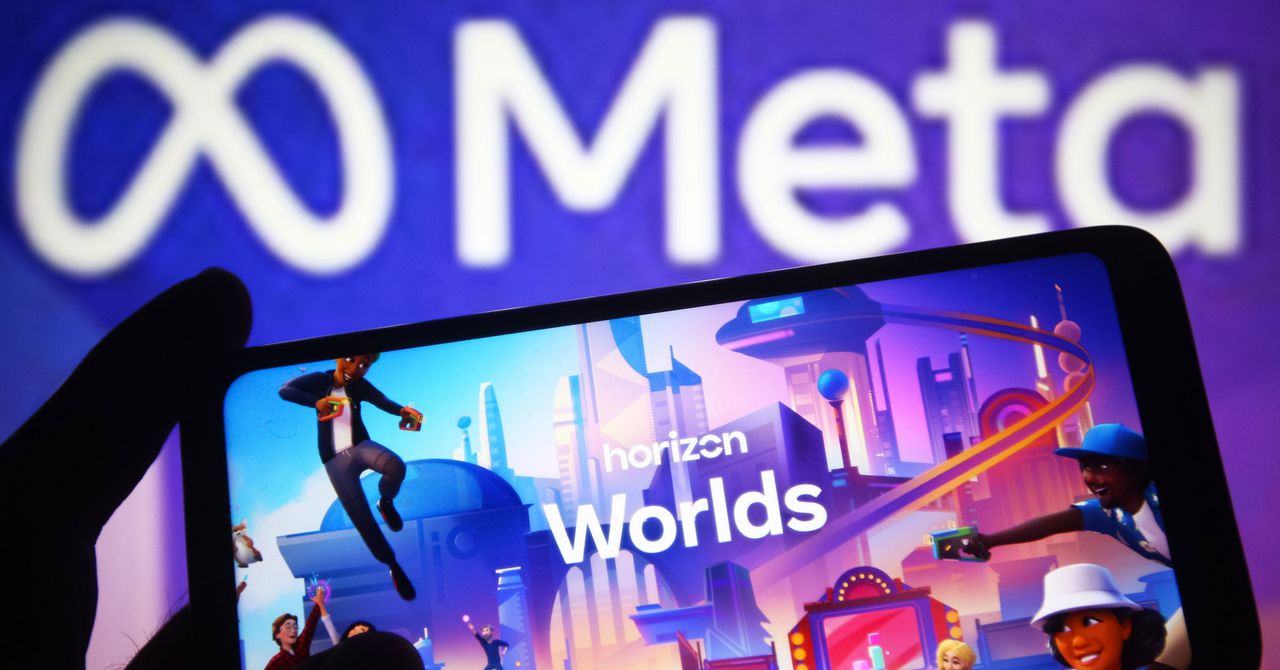
Meta, the tech giant behind the ambitious virtual reality platform Horizon Worlds, has recently found itself embroiled in a whirlwind of confusion and speculation. Initially, Meta announced the shutdown of Horizon Worlds, only to reverse the decision shortly thereafter. This flip-flopping has left users and industry experts questioning the company's direction and strategy in the virtual reality space.
Why Did Meta Announce a Shutdown?
On March 17, 2026, Wired reported that Meta was planning to shut down Horizon Worlds as part of a broader strategy to streamline its operations. The decision seemed to reflect a growing trend among tech companies to cut losses and refocus on more profitable ventures. Meta, having invested heavily in virtual reality, appeared to be stepping back from a venture that wasn't meeting expectations.
In announcing the shutdown, Meta likely aimed to manage costs and redirect resources towards more viable projects. The virtual reality market, while promising, has been fraught with challenges, including high development costs and slower-than-expected user adoption.
Reversing Course: A Strategic Misstep?
Just days after the initial announcement, Wired published a follow-up article with a contrasting message. Meta's CTO, Andrew Bosworth, stated that Horizon Worlds would remain operational in VR "for the foreseeable future," albeit with limited support. This abrupt reversal has raised questions about Meta's strategic planning and communication practices.
The decision to keep Horizon Worlds alive, despite earlier plans to shutter it, suggests internal disagreements or a reevaluation of the platform's potential. However, the conflicting messages have not only confused users but have also cast doubt on Meta's ability to lead in the virtual reality space.
Real-World Tensions Highlighted by External Voices
The tension surrounding Meta's decisions is further amplified by external voices calling for clarity. A Reddit discussion highlighted user frustration with the company's inconsistent messaging, reflecting a broader dissatisfaction with how tech giants manage communication. One user lamented,
This sentiment underscores the real-world challenges companies face in maintaining user trust amidst strategic pivots."It feels like Meta doesn't have a clear vision for Horizon Worlds. They keep changing their mind, and it's affecting our trust."
Moreover, the broader implications for the virtual reality industry cannot be ignored. Meta's indecision could signal to other companies the importance of clear, consistent communication strategies, especially when managing consumer expectations in emerging technologies.
Meta's Future in Virtual Reality: A Defining Moment
As Meta navigates these turbulent waters, the company's decisions regarding Horizon Worlds will likely define its future role in the virtual reality sector. While keeping Horizon Worlds operational may offer a chance to recover and innovate, the path forward must be accompanied by transparent communication and a clear strategic vision.
Ultimately, Meta's handling of Horizon Worlds serves as a cautionary tale for other tech companies. In a rapidly evolving industry, maintaining consumer trust through consistent messaging and strategic clarity is crucial. As Meta continues to adjust its approach, its success will depend on learning from these missteps and forging a coherent path forward.