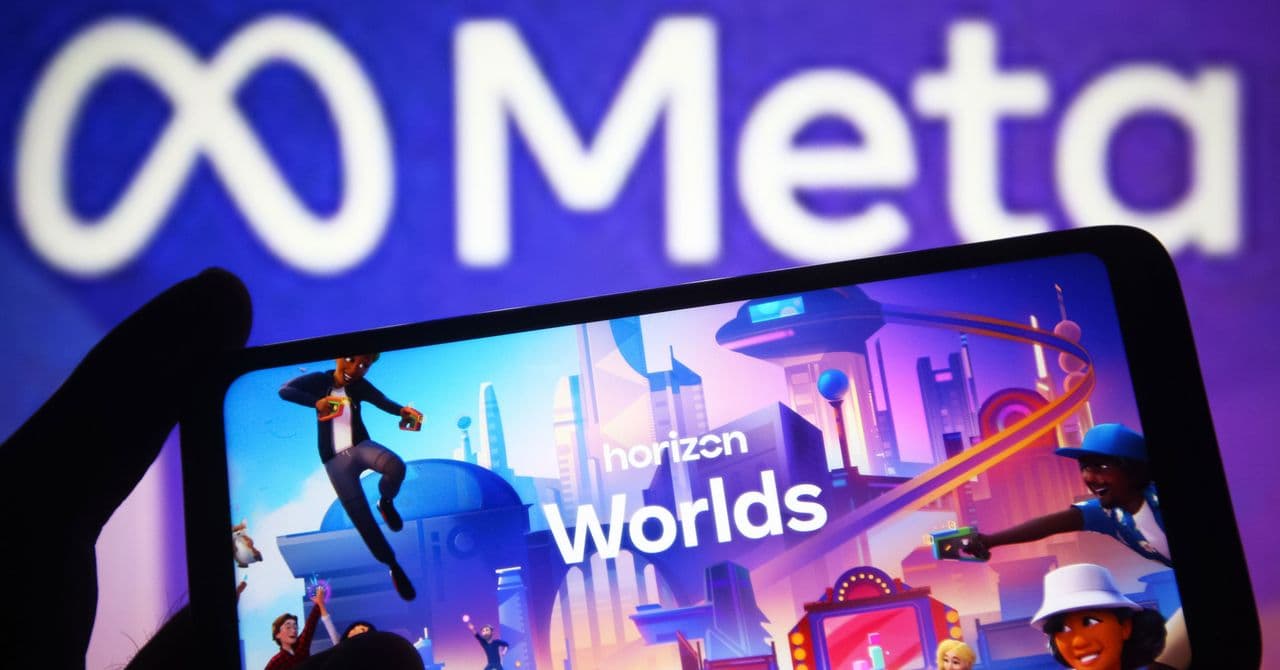
The digital world was abuzz with confusion when Meta announced its decision to shut down Horizon Worlds on Meta Quest only to reverse course days later. This back-and-forth has not only left users bewildered but also highlighted a broader tension within the tech industry: the struggle to balance innovation with practical business realities.
Why Meta Wanted Out of VR
Meta's initial decision to shut down Horizon Worlds was part of a broader strategy to streamline its operations. According to Wired, this move was intended to cut costs as the company faced financial pressures. The metaverse, once a shining beacon of innovation, had become a costly endeavor without the expected returns.
The company was aiming to shift its focus towards a mobile version of the app, which promised a wider user base and potentially more profitability. However, this decision did not sit well with the community that had invested time and resources into the VR platform.
Community Outcry and Meta's Reversal
The backlash from dedicated users was swift and vocal. Meta's CTO, Andrew Bosworth, addressed the uproar by announcing that the VR version would remain available "for the foreseeable future." As reported by The Verge, this decision was largely influenced by the passionate community that wanted to see the VR world survive.
This reversal indicates a misalignment between corporate strategy and user expectations. It underscores the importance of community feedback in guiding tech companies' paths, even when financial pressures suggest otherwise.
The Real-World Implications of Meta's Decision
Meta's flip-flop is more than just a corporate decision; it reflects a significant tension between the pursuit of cutting-edge technology and the need to maintain financial viability. With the tech industry facing increased scrutiny over profitability and sustainability, Meta's actions reveal the delicate balance companies must strike.
"Meta is keeping VR Horizon Worlds experiences around as a way to support 'the fans who reached out, like yourself, who really care about that,'" reported The Verge.
This decision to continue supporting the VR version, albeit with limited resources, suggests that Meta is attempting to honor its commitment to its users while adapting to economic pressures.
Conclusion: A Cautionary Tale for Tech Innovators
Meta's experience with Horizon Worlds serves as a cautionary tale for tech innovators. It highlights the importance of aligning futuristic ambitions with the practical realities of user engagement and financial sustainability. While the future of the metaverse remains uncertain, Meta's decision to listen to its community could provide a valuable lesson for others in the industry.
Ultimately, the path forward for Meta and other tech giants will depend on their ability to innovate while remaining grounded in the realities of their business environments and user needs.