
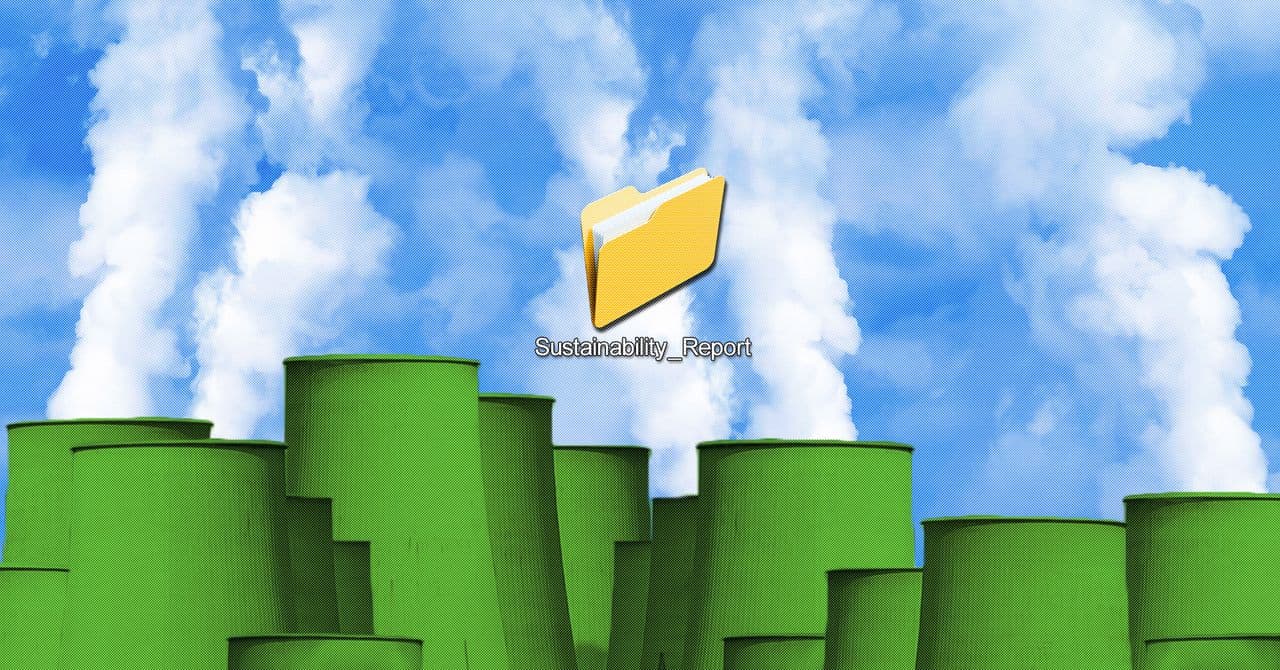
Microsoft has long been a beacon of technological innovation, but its recent sustainability report reveals a stark contradiction. The tech giant reported a 25% increase in carbon emissions for 2025, a surprising rise considering its ambitious climate goals. This surge, primarily driven by the expansion of data centers, raises critical questions about the real environmental cost of tech-driven growth.
Why Microsoft's Green Ambitions Are Falling Short
Several years ago, Microsoft committed to becoming carbon negative by 2030. This means the company must remove more carbon emissions than it produces. However, the latest figures suggest a growing gap between aspiration and reality. The increase to 34 million metric tons of emissions highlights a significant setback, primarily attributed to data center expansions and the cessation of purchasing certain renewable energy certificates.
Data centers, the backbone of modern digital infrastructure, require immense energy. As demand for cloud services grows, so does the energy consumption of these facilities. This is where Microsoft's challenge lies: balancing the booming demand for digital services with its environmental commitments.
The Impact of Halting Renewable Energy Certifications
Compounding the emissions issue is Microsoft's decision to stop buying non-additional, unbundled renewable energy certificates. These certificates previously helped the company offset its carbon footprint, albeit indirectly. Without them, Microsoft's environmental ledger appears more accurately—but also more troublingly—aligned with its actual emissions.
The decision to halt these purchases was likely intended to move towards more substantial sustainability practices. Yet, in the short term, it has highlighted the difficulties in transitioning from traditional offset methods to more impactful solutions. The company must now find alternative strategies to compensate for this lost offset capacity and still aim to achieve its carbon-negative goal.
The Path Forward: What Needs to Change
To make meaningful progress, Microsoft must innovate not only in its technology but also in its sustainability practices. This could involve investing in more efficient data center technologies, exploring alternative energy sources, or implementing more aggressive carbon capture initiatives. The path to carbon negativity by 2030 now appears steeper, requiring immediate and decisive action.
The tension between business growth and environmental responsibility serves as a cautionary tale for other tech companies. As digital demands escalate, so too will the need for sustainable practices to keep pace. Microsoft's experience underscores that lofty goals must be matched with practical, achievable plans, and the willingness to adapt rapidly to unforeseen challenges.
Ultimately, the lesson for Microsoft—and indeed the entire tech industry—is clear: growth must be sustainable to be truly successful. The road to 2030 is fraught with challenges, but with focused efforts and strategic pivots, Microsoft's vision of a carbon-negative future remains within reach.