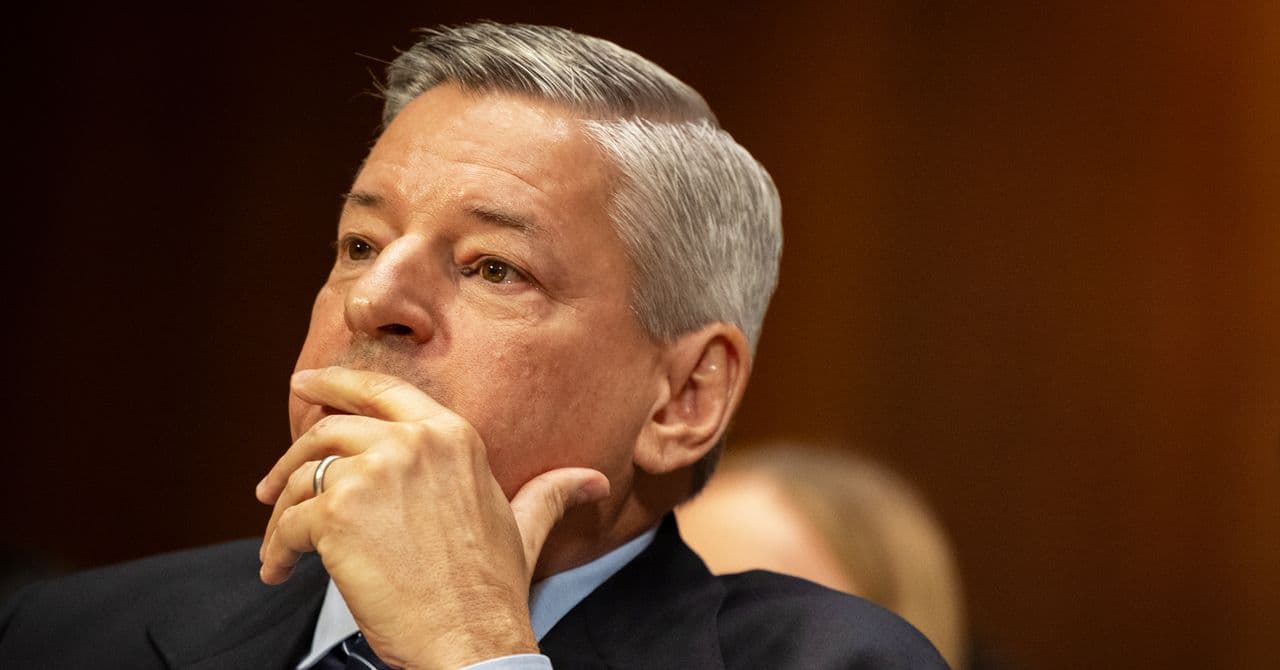
Netflix has landed itself in the middle of a cultural and economic storm, as its attempt to merge with Warner Bros. Discovery has sparked significant debate. The merger, which Netflix sees as a strategic move to bolster its content offerings, is being scrutinized not just for potential market implications, but also for its cultural content. At a recent Senate Judiciary antitrust subcommittee hearing, Netflix co-CEO Ted Sarandos found himself defending the merger while simultaneously navigating political attacks over the company's programming choices.
Why Defending Mergers Is More Than Just Business
Traditionally, mergers are evaluated on their economic impact, such as consumer costs and market competition. However, in this case, the cultural implications have taken center stage. The hearing raised concerns that the merger could potentially drive up costs for consumers, restrict theater experiences, or reduce job opportunities in the entertainment sector. Sarandos tried to assure senators that Netflix was committed to working with the government to establish guardrails to prevent excessive price hikes, as highlighted in a Wired article.
Despite these assurances, the spotlight was often diverted to Netflix's content, a point of contention for some lawmakers. The conversation shifted from the merger's economic impact to its cultural footprint, with questions about Netflix's so-called 'woke' programming.
The Cultural Clash Over 'Woke' Content
The hearing took an unexpected turn when Republicans criticized Netflix for its 'woke' content, which they argue promotes liberal ideologies. In particular, Senator Josh Hawley challenged Sarandos on why Netflix includes content that features transgender characters. This line of questioning, reported by The Verge, highlights the cultural tensions that have become entangled in corporate decisions.
"Why is it that so much of Netflix content for children promotes a transgender ideology?" Senator Hawley asked, marking a shift from antitrust concerns to cultural conflicts.
Netflix's defense is rooted in its commitment to diversity and inclusion, arguing that its content reflects a variety of perspectives and stories. This cultural debate is not new, but it has added a layer of complexity to an already contentious merger.
Real-World Implications of Merging Media Giants
The potential merger between Netflix and Warner Bros. Discovery raises significant questions about the future of media consumption. Critics argue that such mergers could create media giants with too much control over what content is available and at what cost. This could limit diversity in the marketplace, affecting both content creators and consumers.
Netflix, however, maintains that the merger would enhance its ability to compete with other streaming giants, thereby offering consumers more choices. The hearing underscored the tension between economic strategies and cultural values, a dynamic that companies like Netflix must navigate as they expand their influence.
What Lies Ahead for Netflix and Its Consumers
As Netflix continues to face scrutiny from both political and consumer fronts, the outcome of this merger could set a precedent for how media companies balance business objectives with cultural responsibilities. While Sarandos argues that consumers can always opt out if they disagree with Netflix's direction, the broader implications for media diversity and accessibility remain a concern.
Ultimately, the debate surrounding Netflix's merger with Warner Bros. Discovery serves as a reminder of the complex interplay between economics and culture in today's media landscape. Companies will need to navigate these waters carefully to maintain consumer trust while pursuing growth.