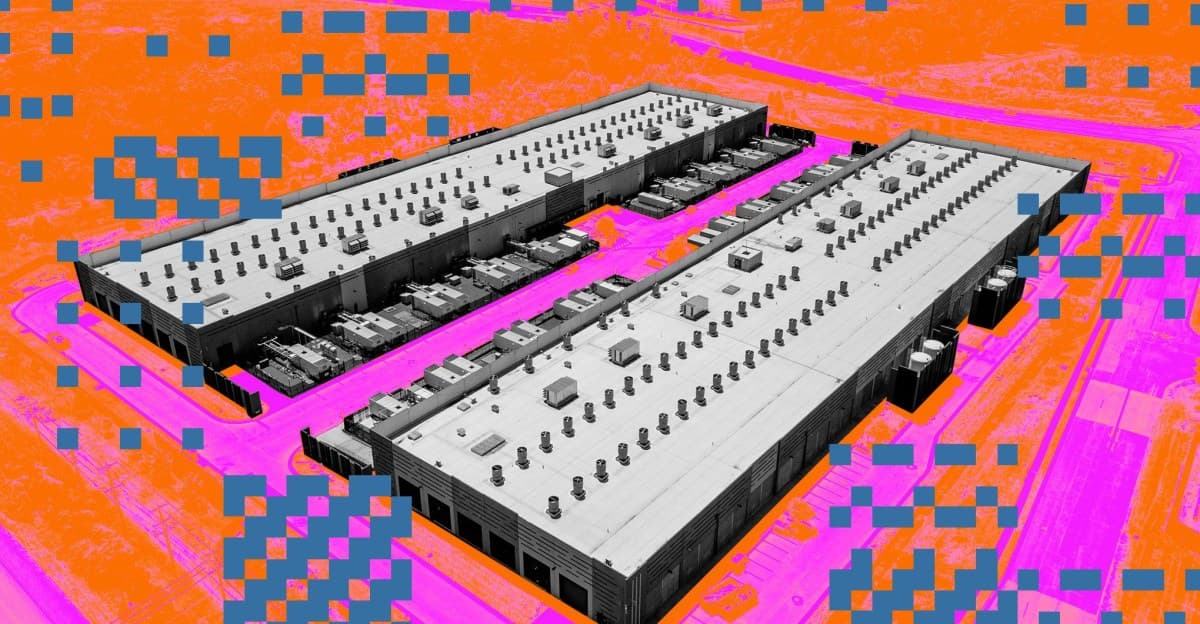
New York's recent moratorium on data centers marks a significant moment in the intersection of technology and environmental policy. By signing this executive order, Governor Kathy Hochul has positioned the state as a leader in tackling the complex challenges posed by hyperscale data centers. These facilities, essential for supporting the digital backbone of modern businesses and services, are now under scrutiny for their environmental impact.
Why New York Halted Data Center Expansion
The decision to impose a statewide freeze on new data centers over 50 megawatts stems from growing concerns about their environmental footprint. According to The Verge, the moratorium aims to prevent escalating energy prices and mitigate environmental harm. The governor's office argues that this pause will allow the state to develop robust regulations that balance economic growth with ecological sustainability.
Governor Hochul's move has sparked a debate about the long-term viability of unregulated data center expansion. As these facilities demand substantial energy resources, often sourced from non-renewable means, their proliferation poses significant threats to local ecosystems and power grids. The moratorium reflects a growing recognition that unchecked technological growth must be tempered with responsible environmental stewardship.
The Underlying Assumptions and Their Flaws
While the moratorium addresses valid concerns, it also highlights the tension between technological advancement and environmental responsibility. The assumption that all data centers contribute uniformly to environmental degradation is overly simplistic. The scale and design of these centers vary widely, with some employing cutting-edge technologies to minimize their carbon footprint. However, until comprehensive regulations are established, the potential for harm remains significant.
The moratorium also assumes that a one-size-fits-all pause is the best approach. This may overlook opportunities for innovation within the industry. Encouraging research into greener technologies and incentivizing sustainable practices could offer a more balanced solution. By focusing solely on restrictions, New York risks stifling technological progress that could lead to more environmentally friendly practices.
What This Means for the Tech Industry
The implications of New York's decision extend beyond its borders. As reported by Wired, this move sets a precedent that could influence other states contemplating similar measures. For tech giants reliant on expansive data infrastructure, the moratorium presents both a challenge and an opportunity. Companies may need to innovate rapidly to align with emerging environmental standards or face operational constraints.
Moreover, the pause could inspire a broader industry shift towards sustainability. By demonstrating a willingness to prioritize ecological concerns, New York encourages a reevaluation of current practices. This could lead to increased investment in renewable energy sources and more sustainable data center designs, ultimately benefiting both the environment and the tech industry.
Looking Forward: The Balance of Growth and Sustainability
As New York navigates this new regulatory landscape, the challenge will be to find a balance that supports both economic growth and environmental protection. The outcome of this moratorium could reshape how states and the tech industry approach data center development. If successful, it may prove that sustainable growth is not only possible but preferable.
In conclusion, New York's data center moratorium reflects a crucial turning point in the dialogue between technology and environmentalism. As other regions watch closely, the decisions made in the coming months could set the tone for a more sustainable future, where innovation and ecological responsibility coexist harmoniously.