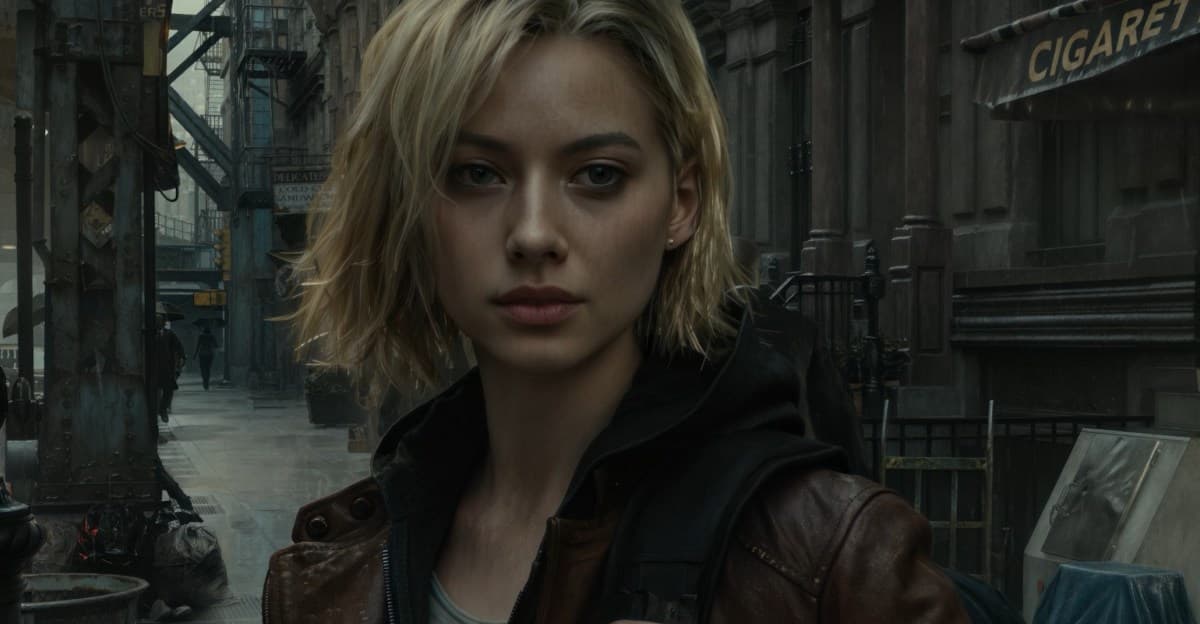
In the realm of video game graphics, Nvidia's latest innovation, DLSS 5, has ignited a heated debate. Announced during the company's GTC conference, the technology promises to blend traditional rendering with generative AI to enhance visual realism. However, this ambition has not been met without resistance, as many argue that it compromises the original artistic intent of game developers.
Is DLSS 5 Really the Game-Changer Nvidia Claims?
Nvidia's CEO Jensen Huang has heralded DLSS 5 as a groundbreaking moment for graphics, akin to a 'GPT moment'. The technology aims to infuse game visuals with advanced lighting and materials, offering what Nvidia describes as a significant leap forward in realism. According to The Verge, this move is meant to preserve creative expression while pushing the boundaries of what's visually possible in gaming.
However, the reception has been mixed at best. Some developers and gamers feel that the AI-driven enhancements distort the original artistic vision, replacing it with a generic, filtered look that lacks the unique personality intended by artists. This tension between technical advancement and artistic integrity is at the heart of the current discourse.
Why Critics Are Calling It AI Slop
The backlash against DLSS 5 stems from concerns that it transforms carefully crafted characters and environments into something less authentic. The technology's ability to enhance graphics is undeniable, yet critics argue that it does so at the expense of the game's soul. As The Verge reports, the results have been compared to 'AI slop', with recognizable faces turning into unrecognizable, smooth versions of themselves.
For many, this evokes a sense of loss. The handcrafted details that once conveyed emotion and creativity are being overshadowed by AI-driven enhancements that prioritize photorealism over originality. This has led to a broader discussion about the role of AI in creative industries and whether its benefits truly outweigh the potential drawbacks.
Balancing Innovation with Artistic Control
The tension surrounding DLSS 5 is emblematic of a larger issue in the tech industry: the balance between innovation and artistic control. While technological advancements continue to push the envelope, they also challenge the boundaries of traditional artistic practices. For game developers, the question is whether these tools serve to enhance their work or undermine it.
As Nvidia positions DLSS 5 as a revolutionary tool, the gaming community remains divided. On one hand, there's excitement about the potential for more realistic and immersive game worlds. On the other, there's a palpable fear that the essence of what makes games an art form is being eroded.
Conclusion A Call for Thoughtful Integration
As the debate over DLSS 5 unfolds, it becomes clear that the solution lies in thoughtful integration. The technology offers undeniable benefits, but it must be used in a way that respects and enhances the artistic vision of game creators rather than overshadowing it. For Nvidia and the gaming industry, the challenge is to harness the power of AI while preserving the unique creativity that defines the medium.
Ultimately, the future of DLSS 5 and similar technologies will depend on their ability to strike this delicate balance. As gamers and developers navigate this new landscape, the hope is that innovation and artistry can coexist harmoniously.