
The race to dominate the artificial intelligence landscape has taken a fresh turn with OpenAI's introduction of GPT-5.6 and ChatGPT Work. These innovations are not just about technological advancement; they represent a strategic move to address pressing market demands for affordability, speed, and enhanced productivity. As AI continues to permeate various sectors, OpenAI's latest offerings could redefine how businesses and individuals interact with technology.
Why Price and Speed Matter More Than Ever
In the current AI arms race, price and speed have emerged as critical differentiators. OpenAI's launch of GPT-5.6 comes with a clear intent to outpace competitors like Anthropic. The focus on reducing costs and enhancing processing speed is strategic, aiming to make AI tools accessible to a broader audience while maintaining high performance. This approach addresses a key barrier for many organizations that find existing AI solutions prohibitively expensive or slow.
The competitive pricing model could democratize access to AI, allowing smaller enterprises and individuals to leverage advanced technology without significant financial burden. The emphasis on speed also means that users can expect more efficient interactions, a crucial factor for applications in fast-paced environments like customer service and real-time data analysis.
Regulatory Drama and the Path to Approval
The rollout of GPT-5.6 was initially entangled in regulatory hurdles, limiting its availability to government-approved organizations during a brief preview phase. However, with the Trump administration's greenlight, OpenAI can now proceed with a wider release. This approval underscores the delicate balance between fostering innovation and ensuring oversight. Regulatory bodies aim to safeguard public interest, but their involvement can also slow down the deployment of potentially beneficial technologies.
OpenAI CEO Sam Altman's assertion that GPT-5.6 is "the best model we have ever produced" highlights the company's confidence in overcoming these regulatory challenges. The approval not only validates the model's compliance with standards but also signals a broader acceptance of AI's expanding role in society.
ChatGPT Work: Bridging the Gap for Non-Technical Users
Alongside GPT-5.6, OpenAI introduced ChatGPT Work, a tool designed to empower everyday users by integrating capabilities from Codex. This hybrid model allows non-technical users to perform complex tasks that were previously confined to coding experts. The potential productivity gains are significant, as it opens up AI-driven solutions to a wider audience, simplifying tasks ranging from data analysis to content creation.
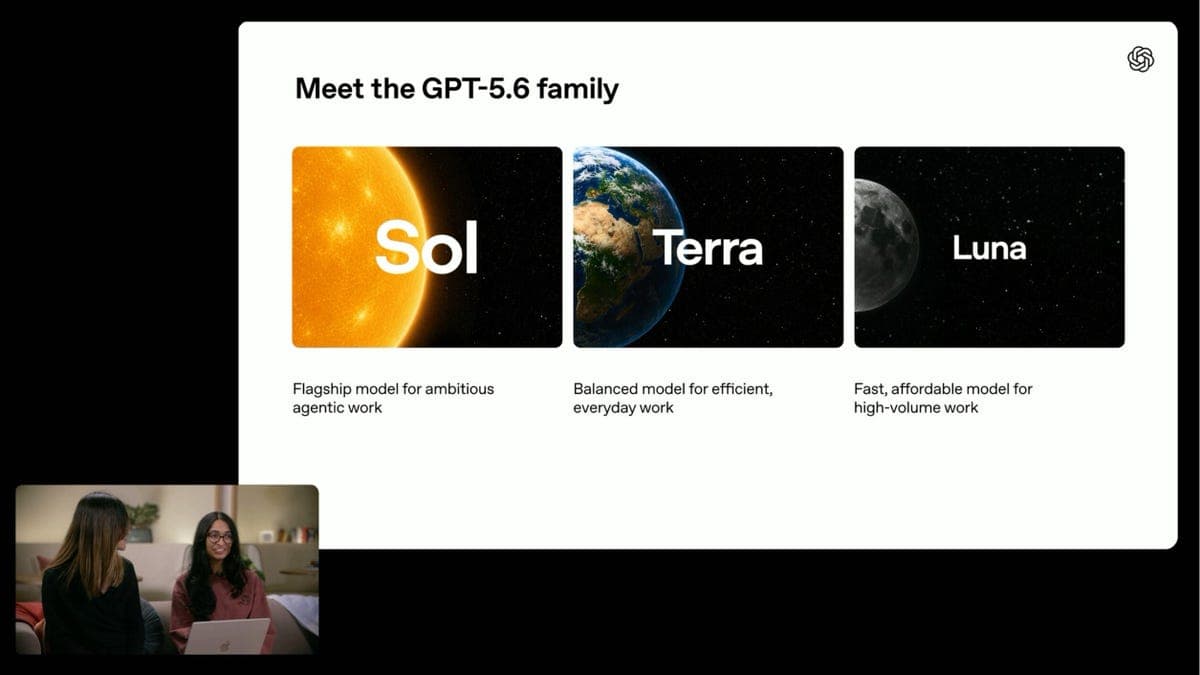
By leveraging the GPT-5.6 model suite, including Sol, Terra, and Luna, ChatGPT Work aims to offer seamless user experiences. This innovation represents a shift towards making AI more user-friendly, bridging the gap between sophisticated technology and practical, everyday applications. It's a step towards a future where AI tools are as ubiquitous and intuitive as smartphones.
What Changes Next for AI Adoption
With these developments, the AI landscape is poised for significant shifts. As price and accessibility barriers are lowered, more industries will likely integrate AI into their operations. This could lead to an acceleration in innovation, as businesses leverage AI to optimize processes, reduce costs, and enhance customer experiences.
However, as AI becomes more ingrained in societal functions, the need for robust ethical guidelines and regulatory frameworks will intensify. The challenge will be to balance the rapid pace of technological advancement with the imperative to protect privacy and security.
In conclusion, OpenAI's GPT-5.6 and ChatGPT Work represent more than just technological upgrades; they are strategic moves that could reshape the AI landscape. By focusing on affordability, speed, and user accessibility, OpenAI is setting the stage for broader AI adoption, promising to transform how we interact with technology in the coming years.