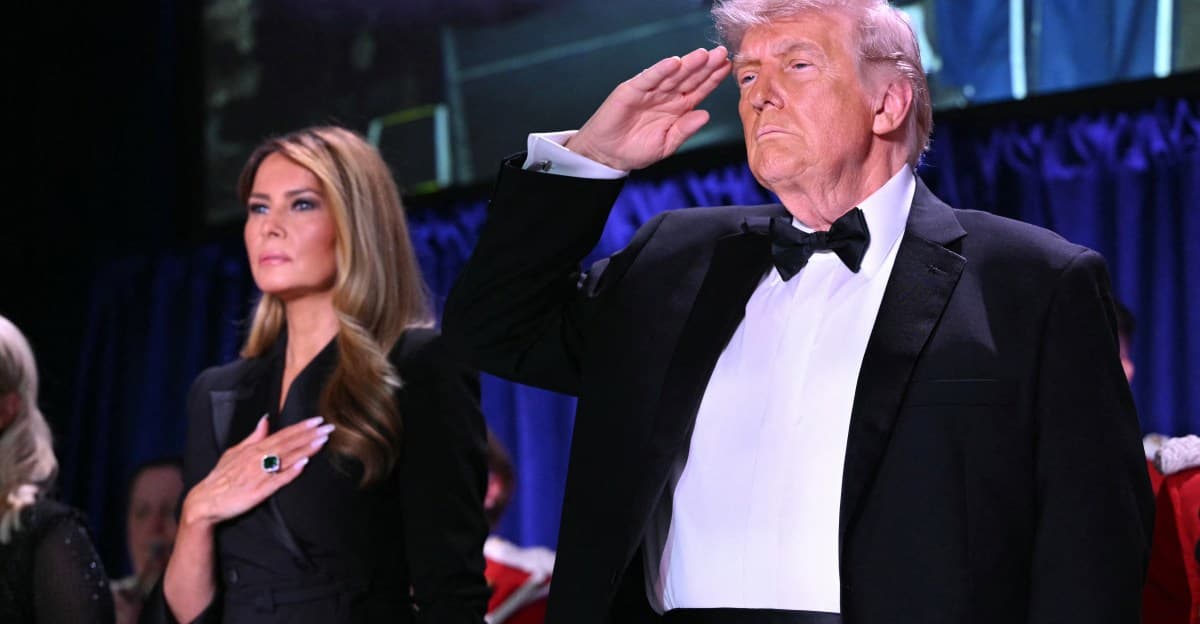
In the age of social media, public trust seems to be at an all-time low, especially concerning major public events. The recent White House Correspondents’ Dinner shooting is a case in point. While the event concluded without any injuries, the incident rapidly spiraled into a breeding ground for conspiracy theories.
Why Are People So Quick to Scream 'Staged'?
The notion that the shooting was staged gained traction almost immediately. This isn't an isolated phenomenon but a symptom of a broader distrust in official narratives. According to The Verge, various online platforms saw an explosion of claims suggesting the attack was orchestrated. Historically, conspiracy theories have thrived in environments where there is a lack of transparency or where official narratives seem inconsistent with observed facts. The digital age has only accelerated this phenomenon, with social media acting as a catalyst for rapid dissemination.
The Role of Distrust in Shaping Public Perception
What drives this distrust? It’s not just skepticism but a deeply ingrained suspicion of those in power. The Wired article highlights that even former Trump loyalists have started to entertain these doubts. This shift indicates that the skepticism isn’t merely partisan but reflects a broader societal trend. People are increasingly inclined to question everything, especially when it involves high-profile figures and events.
Moreover, social media algorithms tend to favor sensational content, which can amplify these conspiracy theories. When a narrative captures public imagination, it gains momentum, sometimes overshadowing factual information. The algorithms don’t discriminate between fact and fiction; they optimize for engagement.
What Changes Next: Navigating a Distrustful Landscape
Given this backdrop, what can be expected moving forward? Transparency and clear communication from authorities are more crucial than ever. However, the real challenge lies in combating misinformation without infringing on free speech. Media literacy programs could help the public discern credible information from speculation. But as long as sensationalism prevails over facts, the cycle of distrust may continue.
For those in positions of power, engaging directly with communities and fostering open dialogues may be the best approach to rebuild trust. It’s essential to address the root causes of this pervasive skepticism rather than merely dismissing conspiracy theories as fringe beliefs.
In conclusion, the WHCD shooting incident serves as a reminder of the fragile nature of public trust in today’s media landscape. As conspiracy theories continue to flourish, it’s imperative for both the media and the public to engage in more discerning and critical consumption of information.