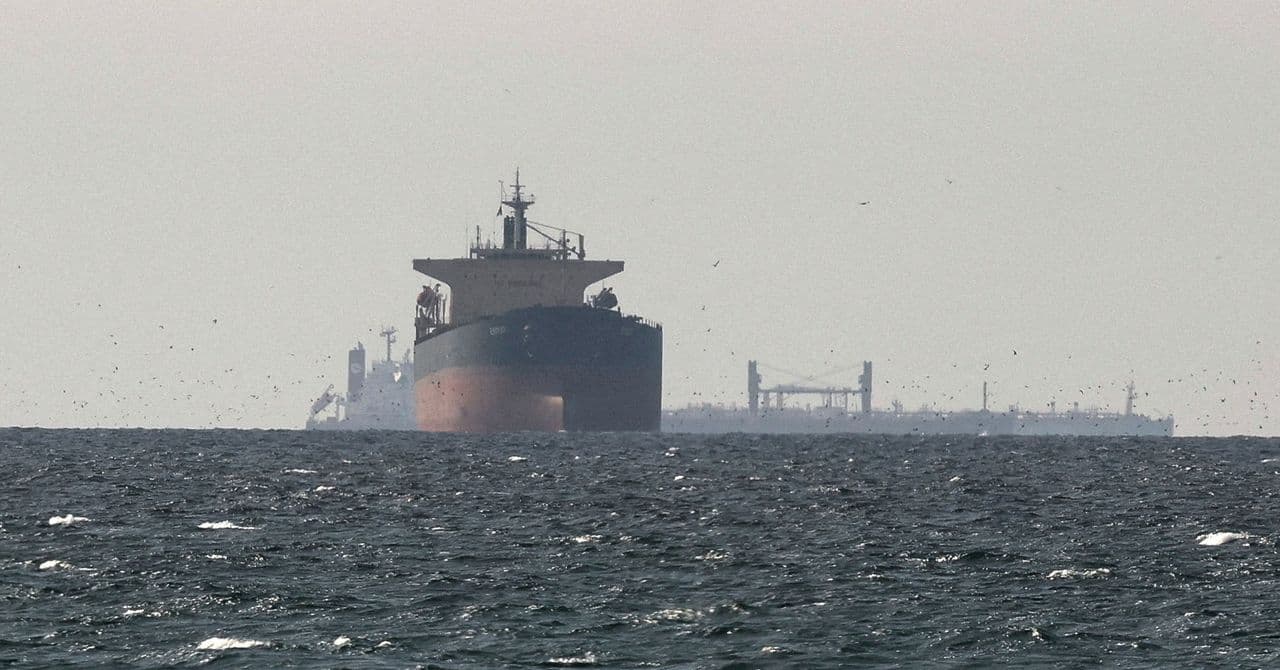
As geopolitical tensions rise, the global energy markets find themselves on the brink of a worst-case scenario. The ongoing conflict involving Iran has not only heightened fears but also exposed the vulnerabilities of international energy supplies. This issue has been further exacerbated by the damage inflicted on Qatar's Ras Laffan gas facility, a critical supplier of liquefied natural gas (LNG) worldwide.
Why the Current Energy Reliance Exists
The world's heavy reliance on a few key energy suppliers is not a new phenomenon. Qatar, for instance, supplies roughly a fifth of the world's LNG. This concentration of resources in a limited number of regions has long been deemed efficient due to logistical and economic factors. However, this strategy is fraught with risks, especially when geopolitical tensions arise.
According to Business 2 Community, the recent strikes on Qatar's gas facilities by Iran could significantly reduce global LNG output. As Nick Butler, former head of strategy at BP, has noted, the sudden disruption in supply will likely lead to soaring energy costs and an inability to quickly find replacement sources.
The Flaws in Our Energy Strategy
While reliance on concentrated energy sources has been economically viable, the current situation highlights its inherent flaws. The damage to Qatar's LNG facility is expected to push gas prices up by as much as 11.3%, as reported by Business 2 Community. This increase is particularly burdensome for small and medium-sized enterprises (SMEs) that lack the purchasing power of larger corporations.
Wired provides a dire warning, quoting an analyst who states,
Such a stark prediction underscores the inadequacy of existing energy strategies in managing and mitigating risks associated with geopolitical conflicts.“This will be so, so, so, so, so bad.”
Real-World Impacts and Rising Tensions
The real-world implications of these disruptions are manifold. The global market is already feeling the pressure with Brent crude prices peaking at $119 a barrel. The Financial Times reported a significant drop in the FTSE 100, indicating broader economic ramifications beyond just energy costs.
Efforts by the US to ease sanctions on Iranian oil and relax domestic shipping rules are attempts to stabilize the situation. However, these measures have so far done little to curb the upward trajectory of energy prices. As Wired highlights, the scenario is teetering on a worst-case outcome, with potential for further instability should the conflict escalate.
A Call for Diversified Energy Strategies
Given the precarious nature of the current situation, there's a pressing need for nations to diversify their energy sources. Reliance on a few key players leaves economies vulnerable to geopolitical shocks, as seen with the Iran-Qatar crisis. By investing in alternative energy and broadening the supplier base, countries can protect themselves from future disruptions.
The situation also calls for greater international cooperation in energy management, ensuring that no single event can have such a profound impact on global markets.