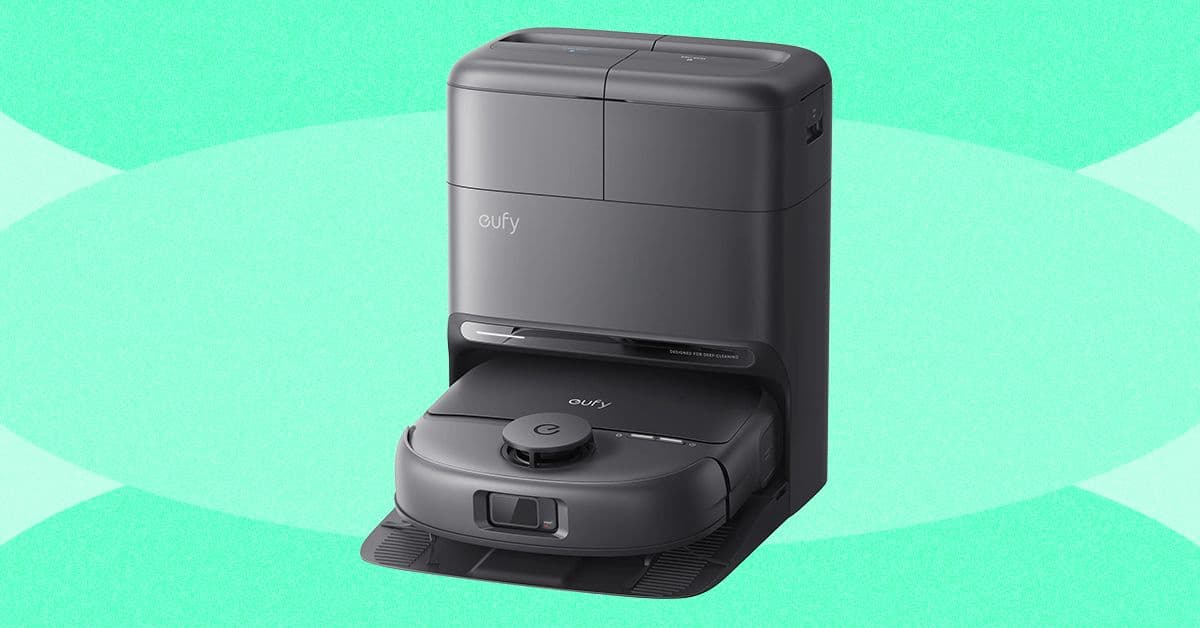
Robot vacuums have become a symbol of modern convenience, promising to liberate homeowners from the drudgery of floor cleaning. However, beneath the shiny exterior of these autonomous devices lies a landscape fraught with performance inconsistencies and unmet expectations. As technology enthusiasts praise their potential, real-world users are voicing concerns that challenge the industry's glossy promises.
Why Do Robot Vacuums Still Fall Short?
Despite advancements in sensor technology and algorithmic programming, many users report that their robot vacuums frequently encounter navigation issues. These devices are designed to seamlessly glide through homes, yet they often get stuck on common household obstacles. Users from a Reddit discussion highlight frustrations with their vacuums' inability to handle rugs, cords, and even simple transitions between flooring types. These recurring problems suggest that while the technology is sophisticated, it is not yet foolproof.
The core of the issue seems to stem from a trade-off between size and capability. To maintain their compact design, many robot vacuums sacrifice the power and suction capabilities found in traditional upright models. This compromise leaves owners with devices that might excel on flat surfaces but struggle with deeper carpet cleaning. The Wired review points out that even the best-rated models, like those from Shark and Eufy, can miss debris in more challenging environments.
The Cost-Benefit Analysis: Are They Worth It?
Beyond performance, the cost of robot vacuums remains a significant consideration. With prices often exceeding those of traditional vacuums, consumers might expect flawless operation. However, as many experience ongoing issues, the perceived value becomes questionable. The investment in a robot vacuum is not just financial but also one of trust in their ability to deliver on promises of convenience and efficiency.
The disparity between expectation and reality raises a critical question: should consumers continue to invest in this technology, or are they better served by tried-and-true cleaning methods? The allure of automation is strong, but the practical benefits must be weighed against the frequent need for manual intervention and troubleshooting.
What Changes Next: The Path Forward for Robot Vacuums
For the robot vacuum industry to truly meet consumer expectations, manufacturers must focus on improving navigation algorithms and obstacle detection features. Incorporating more robust machine learning models could enhance the adaptability of these devices, allowing them to better understand and navigate unique home environments. Additionally, increasing suction power without sacrificing compactness could close the performance gap with traditional vacuums.
Until these improvements are realized, consumers should approach robot vacuums with a clear understanding of their current limitations. While they offer convenience, they are not yet a complete replacement for manual cleaning. As technology continues to evolve, future iterations may fulfill the promise of effortless home maintenance, but for now, they remain a supplementary tool rather than a standalone solution.