
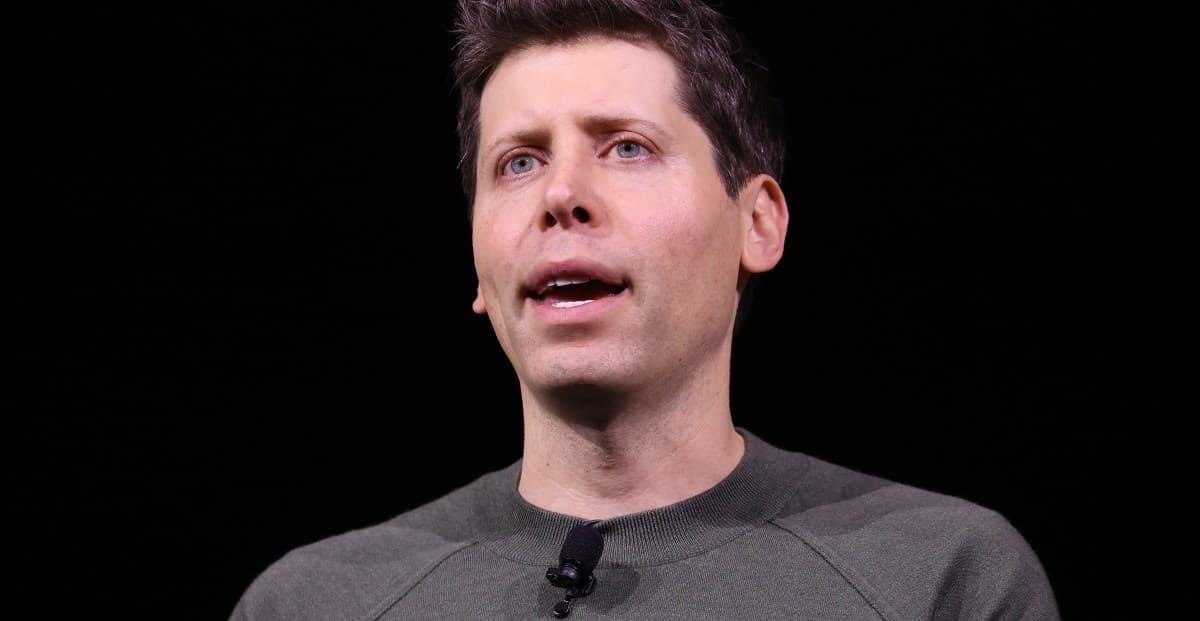
In a striking and unsettling development, Sam Altman, the CEO of OpenAI, was recently the target of two separate attacks at his residence in San Francisco. These incidents, involving a Molotov cocktail and gunfire, underscore a growing tension around the leadership of AI companies and the societal fears they engender.
Why AI Leaders Face Increasing Backlash
The incidents at Altman’s home reflect a broader unease with the rapid advancements in artificial intelligence and the concentration of power within a few key figures and companies. As AI technology becomes more embedded in daily life, public scrutiny of those at its helm intensifies. The attacks suggest that some individuals may view these leaders as embodiments of the impersonal and at times threatening nature of AI’s growth.
OpenAI, under Altman’s leadership, has been at the forefront of AI development, pushing boundaries that have sparked both awe and fear. The company's work on large language models and other AI technologies has raised ethical concerns about surveillance, privacy, and job displacement. These anxieties are not only theoretical; they manifest in public actions, as seen by the threats Altman has faced.
The Misguided Perception of AI Leadership
While it's easy to paint figures like Altman as villains in the AI narrative, this perception misses a critical point: these leaders often advocate for responsible AI development and regulation. Altman himself has been vocal about the need for regulatory frameworks to guide AI's integration into society. However, the complexity of AI and its potential impact can overshadow these intentions, leading to misguided actions from those who feel powerless against the technology's tide.
The recent attacks on Altman highlight a dangerous misunderstanding. They suggest that some individuals may see violence as a means to express their opposition to technological advances. This not only puts individuals at risk but also detracts from meaningful discussions about AI ethics and governance.
What Changes Next for AI Security?
The escalation of physical threats against Altman is likely to prompt a reevaluation of security measures for tech leaders. Companies may need to invest more in personal security and build stronger alliances with law enforcement to mitigate risks. Additionally, these incidents could spur more public relations efforts to educate the public about AI’s benefits and the ethical considerations being addressed by tech companies.
Moreover, the tech industry may see a push for clearer communication about the societal impact of AI. By demystifying AI technologies and addressing public concerns more transparently, companies like OpenAI can help alleviate some of the fears that lead to extreme reactions.
Balancing Innovation with Public Trust
The recent attacks on Sam Altman should serve as a wake-up call to both the tech industry and society at large. There is a delicate balance to maintain between pushing the boundaries of innovation and ensuring public trust and safety. As AI continues to evolve, fostering a dialogue that includes diverse perspectives will be crucial to navigating the challenges ahead.
Ultimately, the path forward requires a concerted effort to bridge the gap between technological advancement and public perception. Leaders like Altman are at the forefront of this journey, advocating for a responsible and inclusive approach to AI development that considers the broader implications for society.