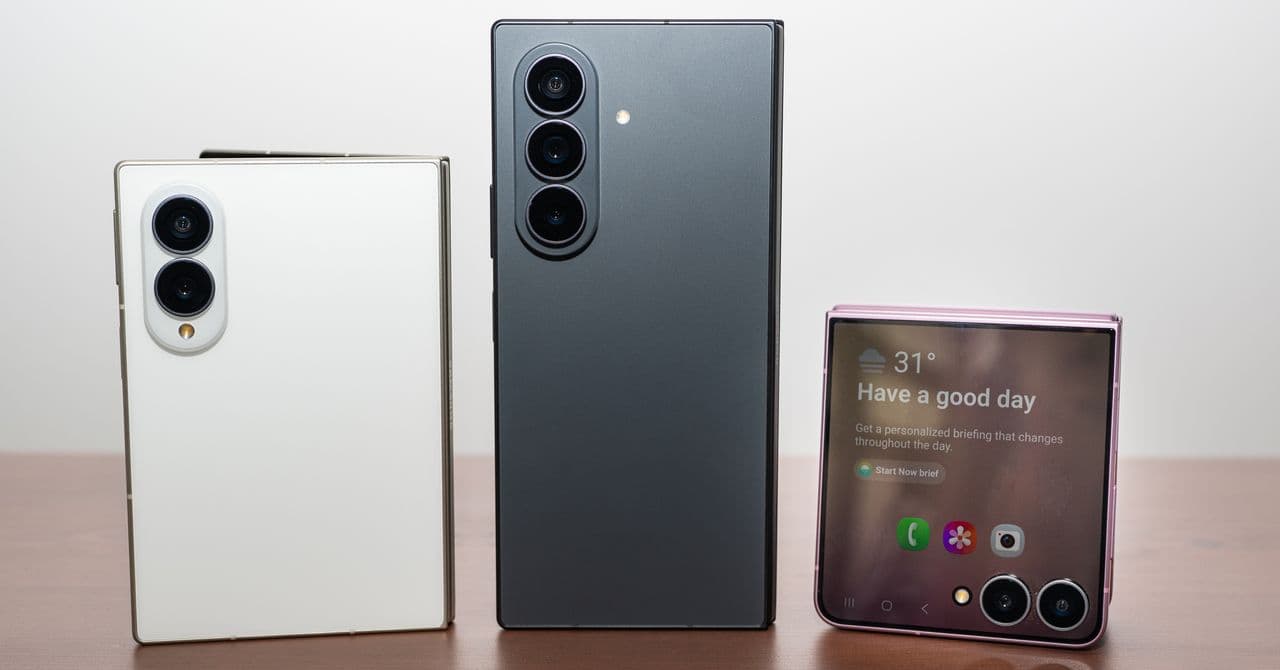
In the ever-evolving world of mobile technology, Samsung's latest foldable phones are making waves, not just for their innovative designs, but for the strategic shift they represent in the foldable market. With the launch of the Galaxy Z Fold 8, Z Fold 8 Ultra, and Z Flip 8, Samsung has positioned itself at the forefront of a new era in smartphone design.
The Foldable Renaissance: More Than Just a Gimmick
Foldable phones have often been dismissed as novelties, intriguing but impractical. Samsung, however, is pushing back against this narrative with its latest releases. The Z Fold 8, in particular, departs from the conventional foldable design. According to The Verge, the Z Fold 8's wider and shorter shape offers a unique usability experience that feels almost intuitive. This new design challenges the notion that foldables must adhere to traditional smartphone dimensions.
Why Samsung's New Designs Matter
The importance of Samsung's design choices extends beyond aesthetics. By offering a wider array of foldable options, Samsung is not only catering to diverse consumer needs but also redefining what a smartphone can be. The Z Fold 8 Ultra targets productivity users with its expansive screen and robust specifications, while the Z Fold 8's entertainment focus might appeal to media enthusiasts. The Z Flip 8, meanwhile, remains a stylish choice for those who prefer a more compact device.
Refocusing the Foldable Debate
There's a growing conversation about whether foldables will ever replace traditional smartphones. The current evidence suggests Samsung is not trying to replace but rather to complement. With its new lineup, Samsung is offering devices that can seamlessly switch between phone and tablet modes, providing users with flexibility in how they consume and create content. As highlighted in another report from The Verge, the Z Fold 8's design makes it particularly suitable for entertainment, a niche that traditional phones don't fully satisfy.
What Changes Next in the Smartphone Arena
The introduction of these new Samsung foldables signals a potential shift in the smartphone industry. As consumers become more accustomed to the idea of foldable devices, we might see broader adoption and a drive from other manufacturers to innovate in this space. This could lead to more competitive pricing, improved durability, and even more diverse designs as companies vie for consumer attention.
The implications for developers and app designers are significant as well. Apps that can adapt to both the folded and unfolded states of these devices offer a smoother user experience and could become a standard expectation in the near future. As foldables gain traction, the way we interact with mobile technology may evolve significantly, blending the lines between phone, tablet, and even laptop use cases.
Samsung's latest foldables are more than technological novelties; they represent a strategic shift towards a more flexible, user-centric approach to mobile design. Whether this will redefine the market remains to be seen, but it's clear that Samsung is betting on a future where foldables are an integral part of our digital lives.