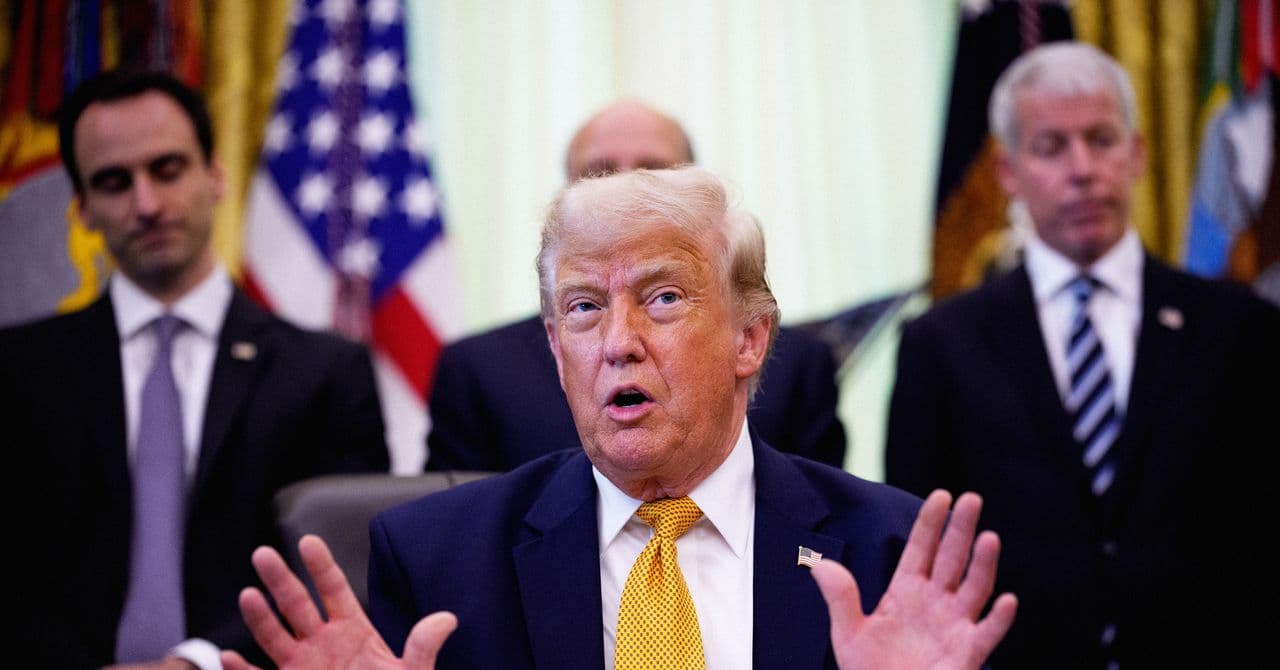
The Trump administration's recent moves to keep its AI cybersecurity framework under wraps have sparked significant debate. By sharing details only with key AI labs like OpenAI and Anthropic, the administration leaves the public and other stakeholders in the dark. This secrecy, as reported by Wired, raises critical questions about transparency and accountability in managing the cybersecurity risks of advanced AI systems.
Why Secrecy Surrounds AI Cybersecurity Plans
The rationale for keeping the AI cybersecurity framework confidential seems to be rooted in controlling sensitive information that could potentially be exploited by malicious actors. However, the lack of public scrutiny may lead to a false sense of security. The framework's exclusivity, highlighted by The Verge, excludes open models. This means that models available for public download and inspection fall outside the framework's purview, limiting its applicability and effectiveness.
Open Models: A Blind Spot in AI Testing
The decision to exclude open models from testing guidelines is a significant omission. Open models, by their very nature, are accessible to anyone with an internet connection, making them both a valuable resource for innovation and a potential vulnerability. The administration's framework, which emerged from an executive order signed in June, aims to preemptively address cybersecurity threats. Yet, by ignoring open models, it fails to account for a substantial portion of AI applications that could be targeted by cybercriminals.
The Double-Edged Sword of AI in Cybersecurity
AI's role as both a powerful tool for cybersecurity and a target for attacks adds complexity to the current landscape. According to ZDNet, AI systems are increasingly being used to detect and counteract threats. However, they are also susceptible to attacks themselves. This dual nature makes robust testing and transparency even more crucial. The framework's limitations in addressing open models could inadvertently weaken defenses by not considering all potential entry points for cyber threats.
What Changes Next: The Path to Greater Transparency
Moving forward, a more inclusive and transparent approach could enhance the framework's efficacy. By incorporating open models into testing guidelines, the administration could ensure a more comprehensive coverage of potential threats. Additionally, greater transparency could foster trust and collaboration with a broader range of stakeholders, including independent researchers and smaller AI firms who might offer valuable insights.
In conclusion, while the need to safeguard sensitive AI frameworks is understandable, the current approach's lack of transparency and exclusion of open models could undermine its goals. By revisiting these aspects, the administration could build a more resilient and inclusive cybersecurity strategy that better protects against the evolving landscape of AI-driven threats.