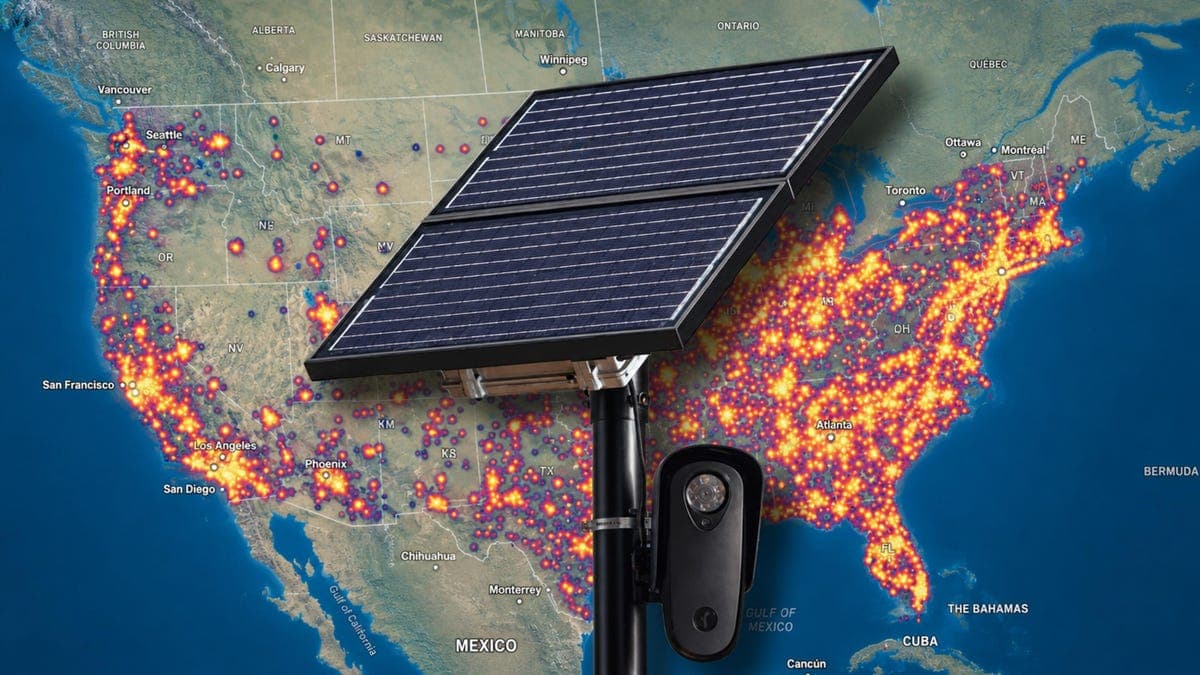
In the United States, a silent network of surveillance technology is expanding across cities and towns, raising serious questions about privacy and consent. Flock Safety, a company specializing in AI-driven cameras, has installed around 90,000 devices nationwide. These cameras, designed to identify vehicles and track movements, are often set up without public knowledge or explicit consent. This quiet proliferation of surveillance tools poses a critical challenge to privacy rights and democratic oversight.
Why Are We Accepting Surveillance Without Consent?
The widespread installation of Flock cameras highlights a troubling trend: the normalization of surveillance without public consent. In many communities, residents are unaware of the extent to which their movements are being monitored. The cameras use artificial intelligence to recognize cars and store data, offering tools for law enforcement to track individuals. Yet, public awareness and discussion around these technologies remain limited. This raises ethical concerns about the balance between security and privacy, and whether the public is inadvertently consenting by not actively opposing these measures.
The Ethical Dilemma of Hidden Surveillance
The lack of transparency in the deployment of surveillance technologies like Flock cameras points to a deeper ethical issue. When communities are not informed or involved in discussions about surveillance infrastructure, it undermines the democratic process. The American Civil Liberties Union (ACLU) has recently taken steps to address this by providing a toolkit for attorneys in Massachusetts. This toolkit aims to expose the technologies used by police, such as facial recognition and AI-written police reports, which are often kept hidden from public scrutiny. These efforts underscore the need for greater transparency and accountability in the use of surveillance technologies by authorities.
The tension between security and privacy is not new, but the scale and sophistication of current surveillance technologies demand a reevaluation of existing frameworks. Without clear policies and public engagement, the unchecked expansion of surveillance tools could lead to a society where privacy is a luxury rather than a right. It's crucial for communities to engage in discussions about the implications of these technologies and to demand accountability from those deploying them.
What Changes Next As Legal Challenges Arise?
The introduction of legal tools by organizations like the ACLU marks a pivotal step in challenging the unchecked growth of surveillance technologies. As attorneys and civil rights advocates begin to scrutinize and challenge the use of these tools, we may see significant shifts in how surveillance is implemented and regulated. Legal battles could lead to stricter regulations, requiring law enforcement agencies to disclose the technologies they use and obtain public consent before deployment. This could foster a more informed and engaged public, better equipped to weigh the benefits and drawbacks of surveillance in their communities.
Ultimately, the future of surveillance in the U.S. will hinge on the public's response to these emerging technologies. As awareness grows, so too does the potential for meaningful dialogue and policy change. Communities must decide whether they are comfortable with the current trajectory of surveillance or if they will demand greater transparency and control over how these technologies are used.