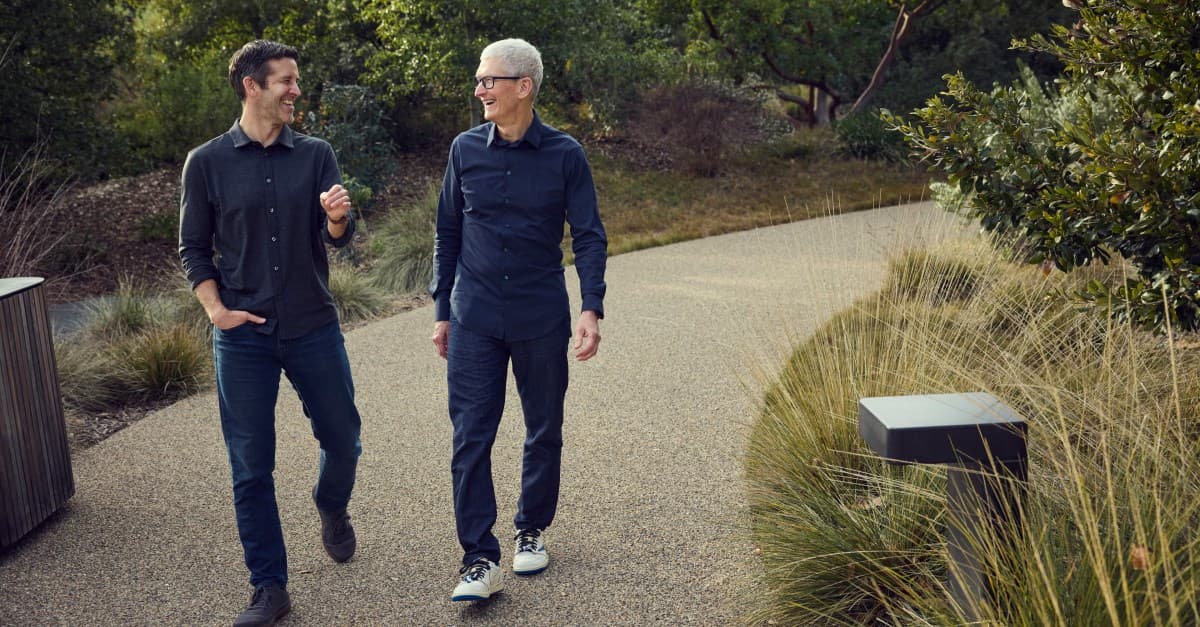
The announcement that Tim Cook will step down as Apple's CEO this September has set the stage for a significant transition at one of the world's most influential companies. John Ternus, Apple's current senior vice president of hardware engineering, is poised to take over, while Cook will remain as executive chairman. This leadership change comes at a time when Apple faces both immense opportunities and challenges in the tech industry.
Tim Cook's Legacy: A Tale of Stability and Incremental Innovation
Under Tim Cook's leadership since 2011, Apple has seen remarkable financial growth, transforming into a multitrillion-dollar powerhouse. Cook's tenure is largely defined by his focus on operational excellence and steady product evolution. Critics, however, argue that Cook's Apple has been more about refinement than radical innovation. Still, the stability he provided was a needed counterbalance after the tumultuous, albeit groundbreaking, era of Steve Jobs.
Cook's approach ensured that Apple not only retained its market dominance but also expanded its ecosystem with services like Apple Music and Apple TV+. Yet, as he prepares to step down, questions loom about whether this formula will be enough to sustain Apple's growth in a rapidly changing tech landscape.
John Ternus: The New Era of Hardware-Centric Leadership
John Ternus's appointment as CEO signals a potential shift towards a more hardware-centric focus at Apple. Having led Apple's hardware engineering teams, Ternus played a crucial role in the development of recent products, such as the M1 chip. His expertise suggests that Apple may push the boundaries of hardware innovation further, which could reinvigorate its product lineup.
However, Ternus steps into this role amid growing expectations for Apple to deliver groundbreaking products. The tech giant is under pressure to explore new areas like augmented reality and electric vehicles. Whether Ternus can balance Apple's legacy with the demand for bold moves remains to be seen.
New Hardware Leadership: Johny Srouji Takes the Helm
As part of this transition, Johny Srouji has been named the new chief hardware officer. Srouji, who previously led Apple's hardware technologies, is now responsible for both hardware engineering and technologies, a move that consolidates Apple's hardware strategy under a single leadership. This strategic realignment indicates a commitment to integrating hardware and software more closely.
Srouji's ascension comes at a time when Apple's hardware innovations are critical to its future success. The emphasis on hardware suggests a renewed focus on creating differentiated products that can sustain consumer interest in a competitive market.
What's Next for Apple's Leadership and Innovation?
As John Ternus prepares to take the reins, Apple's strategic direction will be closely watched. The company must simultaneously nurture its existing product lines and explore new technological frontiers. This dual challenge will test Ternus's leadership and Apple's ability to innovate beyond incremental improvements.
Looking ahead, the key question is how Apple will balance its legacy with the need for innovation. With Johny Srouji's appointment, the company appears poised to leverage its hardware capabilities to fuel future growth. Yet, the path forward requires not just technical prowess but also visionary leadership to navigate the complexities of the tech landscape.