
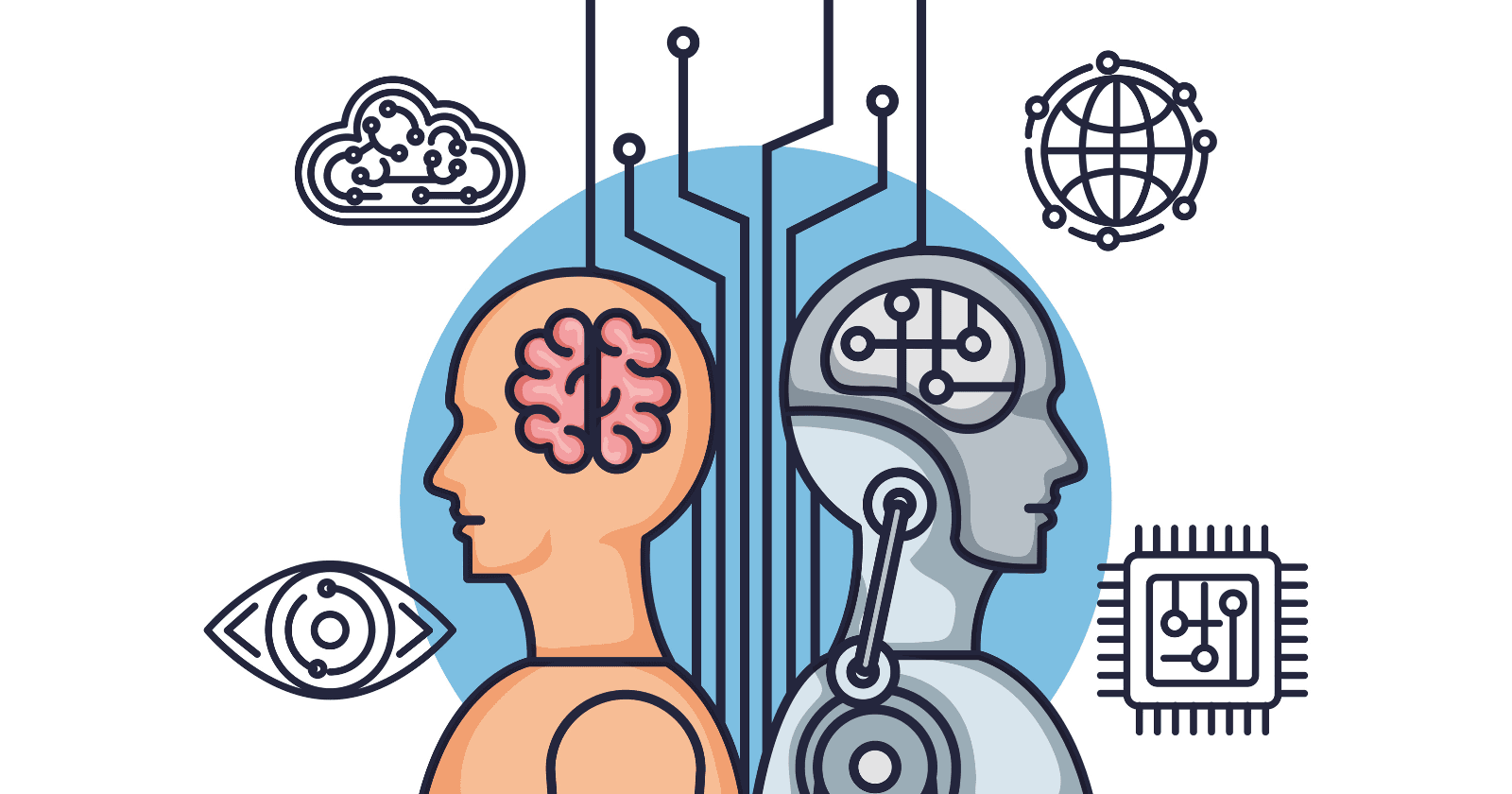
Artificial Intelligence (AI) is no longer a novelty in the business world; it is a staple. Yet, despite its widespread adoption, many companies are scratching the surface rather than diving deep into its potential. According to a study covered by Search Engine Journal, a staggering 88% of companies use AI in some form, but only 12% have developed comprehensive AI systems. This disparity highlights a critical misunderstanding about what it means to truly integrate AI into business processes.
Why Are Companies Stuck in AI's Shallow End?
The allure of AI lies in its promise of efficiency and competitive edge. However, for many organizations, the journey stops at tool adoption rather than system integration. As reported by MarTech, the lack of clear processes, training, and governance around AI adoption has led to increased workloads, weakened trust, and heightened brand risk. Companies are often captivated by the technology's potential without understanding the underlying complexity and the need for robust frameworks.
This superficial engagement with AI is largely due to the perception that AI tools are plug-and-play solutions. Instead of investing in the necessary infrastructure and expertise to build tailored AI systems, businesses lean on existing tools that provide immediate, albeit limited, results. This approach, while seemingly cost-effective, can backfire if AI outputs are taken at face value without rigorous validation processes.
The Pitfalls of Overlooking AI Validation
AI outputs can appear deceptively authoritative, masking potential errors that could lead to strategic missteps. Search Engine Journal highlights a four-step test designed to catch AI errors before they influence decision-making. This protocol emphasizes the importance of skepticism and critical evaluation in AI adoption. Without such measures, businesses risk basing their strategies on inaccurate or misleading data, which could have far-reaching consequences.
The over-reliance on AI without proper validation not only jeopardizes business outcomes but also erodes trust in AI as a reliable tool. This skepticism can lead to resistance within organizations, further stalling AI integration efforts. Companies must recognize that AI, while powerful, is not infallible and requires continuous oversight and adjustment.
What Changes Next?
For businesses to fully harness AI's potential, a shift in strategy is necessary. This involves moving from a superficial use of AI tools to building comprehensive AI systems tailored to specific business needs. Such systems should be backed by clear governance frameworks, continuous training, and a commitment to process optimization. By doing so, companies can mitigate the risks associated with AI adoption and enhance their decision-making processes.
Furthermore, adopting a structured approach to AI implementation, as advised by experts, can alleviate the brand risks identified by MarTech. Companies should invest in developing in-house expertise or collaborating with AI specialists to ensure that their AI systems are both effective and secure. This investment will pay dividends in the form of increased efficiency, improved accuracy, and a stronger competitive position.
Concluding Thoughts
The journey toward meaningful AI integration is fraught with challenges, but the rewards are substantial. By acknowledging the limitations of current AI adoption practices and committing to building robust systems, businesses can unlock the full potential of AI. This requires a paradigm shift from using AI as a tool to embracing it as a strategic cornerstone, capable of transforming business operations and driving sustainable growth.