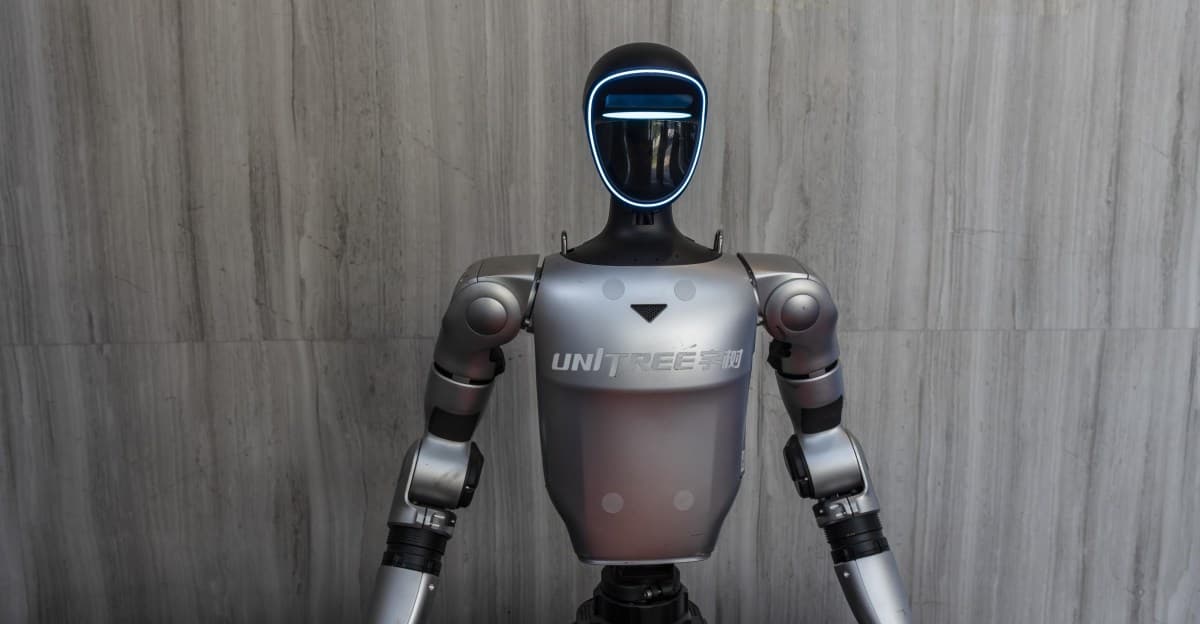
The recent US ban on foreign-made robots marks a significant shift in the nation's approach to technology and security. The Federal Communications Commission (FCC) announced a prohibition on importing "advanced robotic devices," a move seen as a strategic measure against potential national security threats. While the ban's language is broad, it clearly targets Chinese manufacturers, notably impacting companies like Unitree, known for their humanoid and quadruped robots.
Security Fears or Economic Strategy?
Officially, the ban is about protecting national security. The US government argues that foreign robots, even those as unassuming as robot vacuums, could pose risks by collecting sensitive data. The Verge reports that this decision will not affect current models but will prevent future imports, compelling brands to consider US-based production. This move aligns with a broader trend of scrutinizing Chinese technology, yet it's hard to ignore the economic implications.
These security claims raise questions. Is the ban genuinely about safeguarding data, or is it a strategic economic maneuver to bolster domestic manufacturing? The pressure on companies to produce locally suggests a dual agenda, combining national defense with economic protectionism. As reported by ZDNet, even well-known brands like Roomba are caught in this dragnet, illustrating how widespread the ban's impact could be.
Everyday Consumers in the Crossfire
While the headlines focus on humanoid robots, everyday devices are also affected. The ban includes popular household items like vacuum cleaners and lawn mowers. This decision has stirred concerns among consumers who might face limited choices and potentially higher prices. The Verge highlights that companies will have to commit to US manufacturing if they wish to continue selling these products in America, a shift that could disrupt established supply chains and elevate costs.
For consumers, this means a potential shift in purchasing habits. The choice of robotics might soon be limited to domestically produced models, altering the landscape of what is available. Moreover, this could spark innovation within the US, as companies scramble to fill the void left by banned imports.
What Changes Next?
As the ban takes effect, the global robotics market faces significant adjustments. Foreign companies must decide whether to invest in US manufacturing facilities or risk losing access to a vast consumer base. This decision could reshape international trade dynamics, encouraging a wave of localized production and potentially driving up costs for companies and consumers alike.
Moreover, this policy sets a precedent. If successful, it might inspire similar actions in other sectors, strengthening domestic industries at the expense of international collaboration. The long-term effects on innovation and competition remain uncertain, but the immediate impact is clear: a push towards self-reliance and tighter control over technological imports.
A Balancing Act of Security and Economics
The US ban on foreign robots underscores a complex interplay between security and economic strategy. By targeting a wide range of robotic devices, the FCC aims to safeguard national interests while simultaneously nudging companies towards domestic production. This dual focus highlights the challenges of navigating global technology landscapes where security concerns and economic policies often intersect.
Ultimately, the ban's success will depend on its execution and the response from international manufacturers. While the immediate effects are clear, the long-term consequences for consumers, companies, and global trade remain to be seen. As the world watches, this policy could become a touchstone for future tech-related decisions, balancing public safety with economic growth.