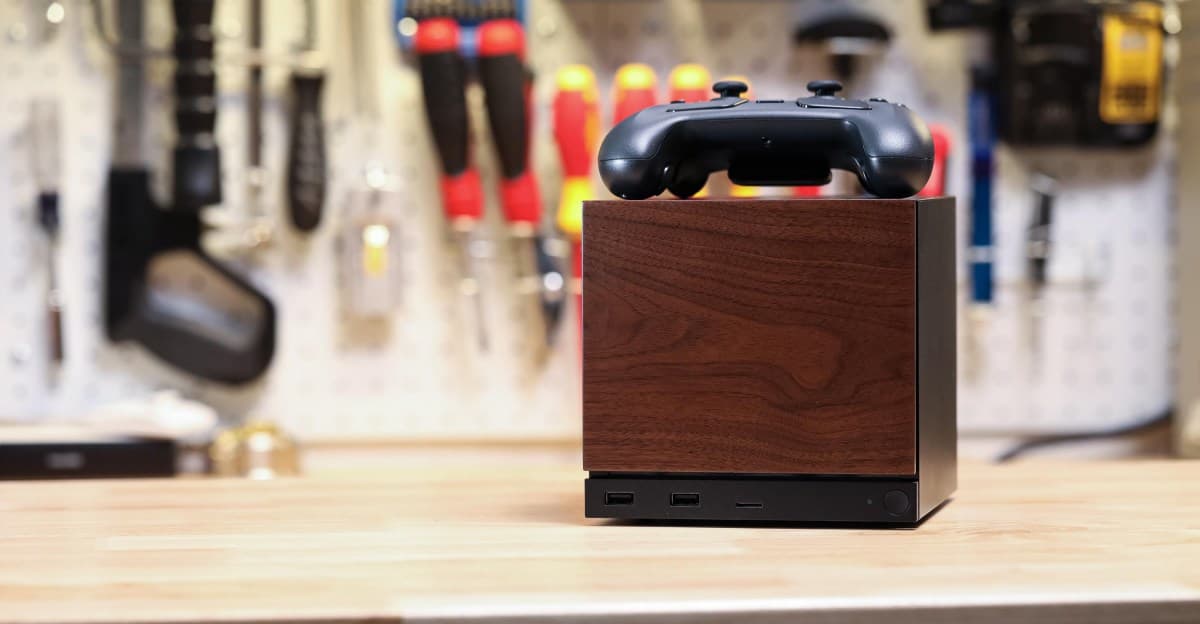
The gaming landscape is shifting once again as Valve introduces the Steam Machine. This new device promises to be more than just another gaming console, but its price tag of $1,049 has sparked debate. Is the Steam Machine a game-changing innovation or a costly experiment that misses the mark?
Why Valve Thinks the High Price is Justified
Valve is positioning the Steam Machine as a premium option for gamers who want the flexibility of a PC with the simplicity of a console. The device starts at $1,049, a significant leap from traditional consoles like the PS5 or Xbox Series X, which are priced between $600 to $900. Valve's Pierre-Loup Griffais explained that the machine is built to offer a high-end gaming experience with the versatility that comes with a PC. Notably, the Steam Machine runs on SteamOS, allowing users to access their entire Steam library from the comfort of their living room.
However, the high price is a sticking point for many potential buyers. Unlike traditional consoles, which are often sold at a loss to encourage software sales, Valve has chosen not to subsidize the cost. This decision raises questions about how competitive the Steam Machine can be in a market dominated by cheaper alternatives.
Build Your Own: A Game-Changer for Enthusiasts?
To counter the high price, Valve offers an alternative: build your own Steam Machine. With the release of SteamOS 3.8, gamers can use off-the-shelf PC components to assemble their own device. This flexibility could appeal to tech-savvy gamers who enjoy customizing their hardware. According to The Verge, this move is part of Valve's broader strategy to increase the adoption of Linux in gaming, which could have long-term benefits for the open-source community.
Yet, this DIY option isn't without its challenges. Building a custom Steam Machine requires technical know-how and additional expenses for compatible hardware. The question remains whether this will broaden the device's appeal or limit it to a niche audience of PC enthusiasts.
The Real Challenge: Competing with Console Giants
Despite its innovative approach, the Steam Machine faces stiff competition from existing consoles, which have a well-established user base and exclusive game titles. Traditional consoles offer a plug-and-play experience that the Steam Machine struggles to match. A review by The Verge highlighted the initial setup difficulties, likening it more to a PC than a traditional gaming console. This complexity might deter casual gamers looking for a straightforward gaming solution.
Moreover, console manufacturers like Sony and Microsoft have invested heavily in exclusive titles and services that enhance their platforms' appeal. Without similar offerings, the Steam Machine's high price might not be justified in the eyes of many gamers.
What Changes Next for Valve and Gamers?
Valve's Steam Machine is a bold step towards merging the PC and console gaming worlds, but it must overcome significant hurdles to succeed. The high price point and complex setup could limit its audience, although the option to build a custom device might attract a dedicated segment of the gaming community. For Valve, the challenge will be to demonstrate the value of its innovative approach in a market that favors affordability and simplicity.
Looking forward, the success of the Steam Machine might depend on Valve's ability to leverage its vast library of games and improve the user experience. If Valve can address these challenges, the Steam Machine could pave the way for more hybrid gaming solutions in the future.