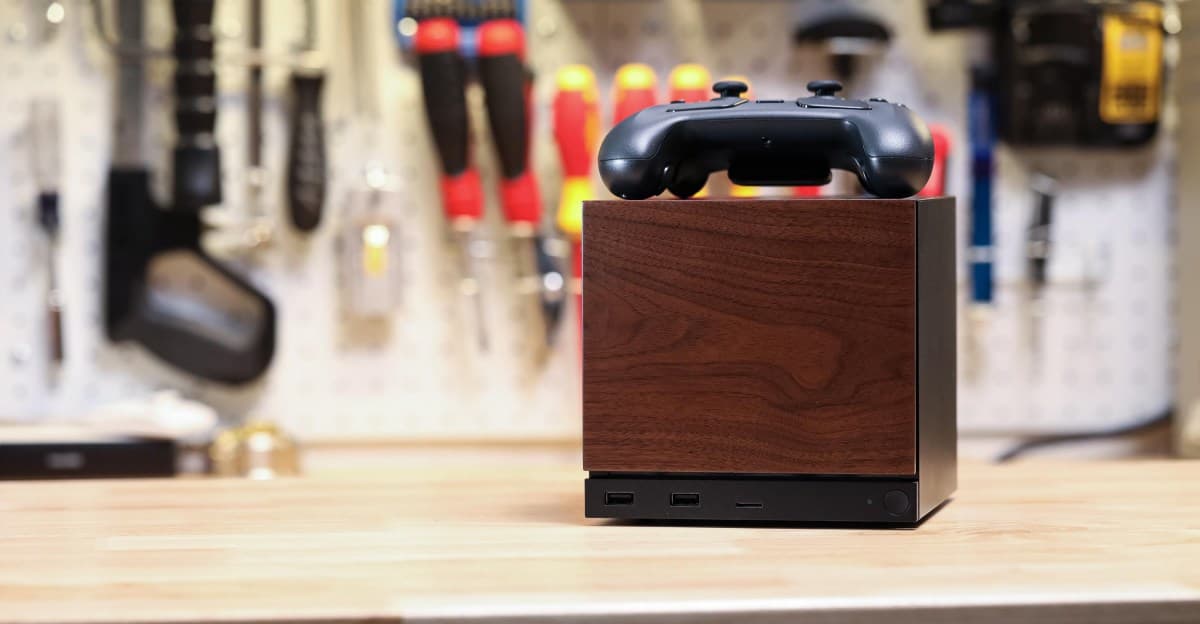
Valve's introduction of the Steam Machine marks a bold attempt to redefine the gaming landscape. Priced at $1,049, this hybrid device aims to bridge the gap between PC gaming and traditional consoles. Yet, this move raises significant questions about value, market positioning, and consumer expectations.
The Steam Machine's High Price Tag Stirs Debate
The launch of the Steam Machine at a starting price of $1,049 positions it well above its console counterparts, such as the PlayStation 5 and Xbox Series X. This pricing strategy is particularly striking when considering that these consoles are priced between $599.99 and $899.99. Valve's decision not to subsidize the Steam Machine further amplifies the price disparity, creating a substantial barrier for those accustomed to the more affordable console market.
Conventional consoles have long adhered to a pricing model that makes them accessible to a broad audience. By contrast, Valve's approach suggests a shift in how it values the hybrid market. The company's decision to maintain a high entry price, despite competitive performance, challenges the conventional wisdom of cost-to-performance ratios in the gaming industry.
A Hybrid That Challenges Traditional Gaming Conventions
The Steam Machine's unique position as a PC-console hybrid comes with its own set of challenges. While traditional consoles offer a streamlined, plug-and-play experience, the Steam Machine, as one user noted, initially felt like troubleshooting a PC. This complexity could deter users seeking the simplicity that consoles have traditionally provided.
Valve's ambition appears to be in offering a device that combines the flexibility and power of a PC with the user-friendly interface of a console. However, the early feedback suggests that this hybrid approach may not yet be seamless enough to satisfy all gamers. This tension highlights a critical issue: can the Steam Machine deliver on its promise without alienating its potential audience?
The Future of Gaming: Will Valve's Bet Pay Off?
Valve's gamble with the Steam Machine could set a precedent for the future of gaming hardware. By opting for a non-subsidized, premium pricing model, Valve is testing whether consumers are willing to invest more for a device that offers both PC and console experiences. This strategy could potentially attract a niche market of enthusiasts willing to pay for versatility and power.
If successful, Valve's approach might encourage other companies to explore similar hybrid devices, possibly leading to a new segment within the gaming industry. However, if the Steam Machine fails to gain traction, it could serve as a cautionary tale about the risks of diverging from established pricing norms and consumer expectations.
What Changes Next: Implications for the Gaming Industry
The introduction of the Steam Machine could lead to a reevaluation of how gaming hardware is marketed and priced. Should Valve's strategy prove effective, it may prompt a shift towards more premium, non-subsidized gaming devices that prioritize performance and versatility over affordability. This could potentially lead to a more fragmented market, where gaming hardware is tailored to specific niches rather than a one-size-fits-all approach.
As the gaming industry continues to evolve, the success or failure of the Steam Machine will likely influence future developments. Companies may need to reconsider how they balance price, performance, and consumer expectations, particularly as technology continues to advance and redefine what gamers expect from their devices.