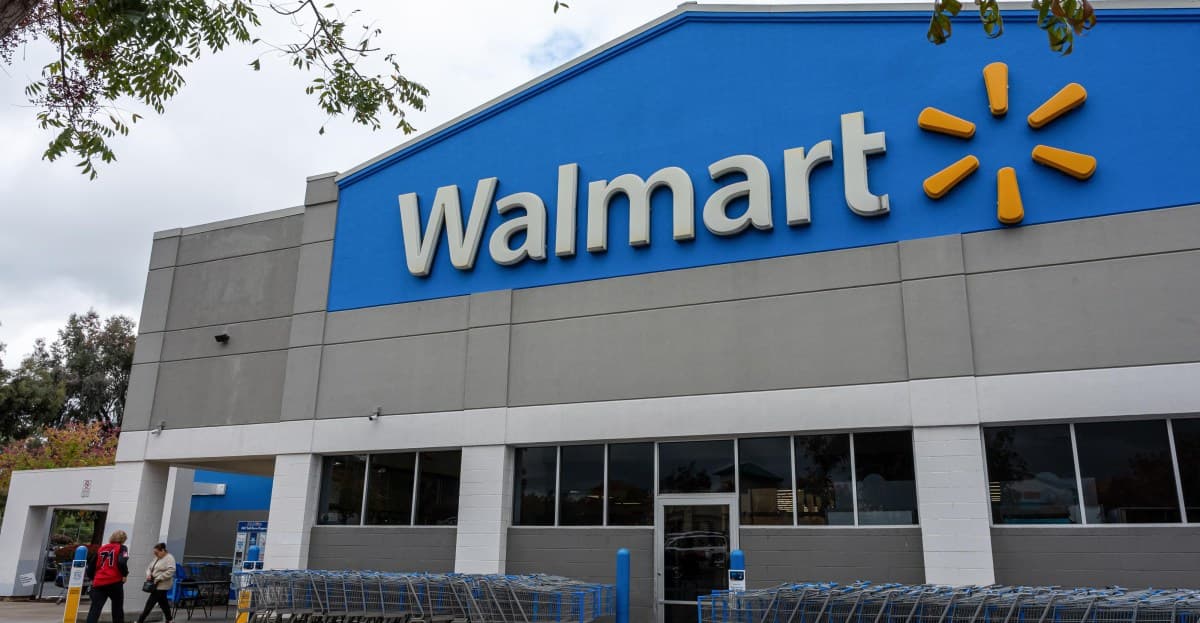
For years, Walmart stood as a prominent outlier among major retailers by refusing to accept Apple Pay and Google Pay. This decision puzzled many, given the widespread adoption of these payment methods elsewhere. However, a recent announcement reveals that Walmart is finally shifting its stance, allowing these mobile payment options in select locations starting August 24th, with plans for nationwide implementation by the end of 2026.
Why Walmart Resisted the Mobile Payment Wave
Walmart's initial reluctance to adopt Apple Pay and Google Pay was largely driven by its investment in its own digital payment option, Walmart Pay. Launched in 2016, Walmart Pay allowed customers to check out using a QR code, a system that kept transactions within Walmart's ecosystem. The retailer's decision was also influenced by its participation in the development of the now-defunct CurrentC payment system, an endeavor to create a retailer-friendly mobile payment solution.
Walmart's strategy was clear: maintain control over transaction data and minimize reliance on external payment systems. This approach, however, placed them in a unique position as consumer preferences increasingly favored the convenience of tap-to-pay options available at other major retailers.
Consumer Demand Forces a Change
The shift towards accepting Apple Pay and Google Pay indicates that consumer demand has become too significant to ignore. As more customers expect the convenience of using their smartphones for transactions, Walmart's previous strategy began to look outdated. The retailer's decision to integrate these popular payment methods underscores the importance of staying aligned with consumer expectations to maintain competitive advantage.
This change also raises questions about the future of Walmart Pay. With Apple Pay and Google Pay offering more seamless experiences for many users, Walmart Pay's relevance may be challenged. While the company hasn't indicated plans to phase out its own payment system, it will need to reassess its value proposition to consumers who now have more choices at checkout.
What Changes Next for Retail Payments?
As Walmart embraces Apple Pay and Google Pay, other retailers may feel increased pressure to follow suit if they haven't already. This shift also signals a broader acceptance of digital wallets as a staple in retail environments, potentially influencing how businesses approach payment infrastructure investments.
Moreover, the move could spark further innovation within Walmart's own payment solutions, pushing them to enhance Walmart Pay or develop new features to compete. Retailers will likely continue to explore how to balance proprietary systems with popular consumer options to satisfy a diverse customer base.
Ultimately, this development reflects the evolving landscape of retail payments, where consumer convenience and choice are paramount. As mobile payments become more ingrained in everyday transactions, retailers like Walmart must continually adapt to meet these expectations or risk falling behind.