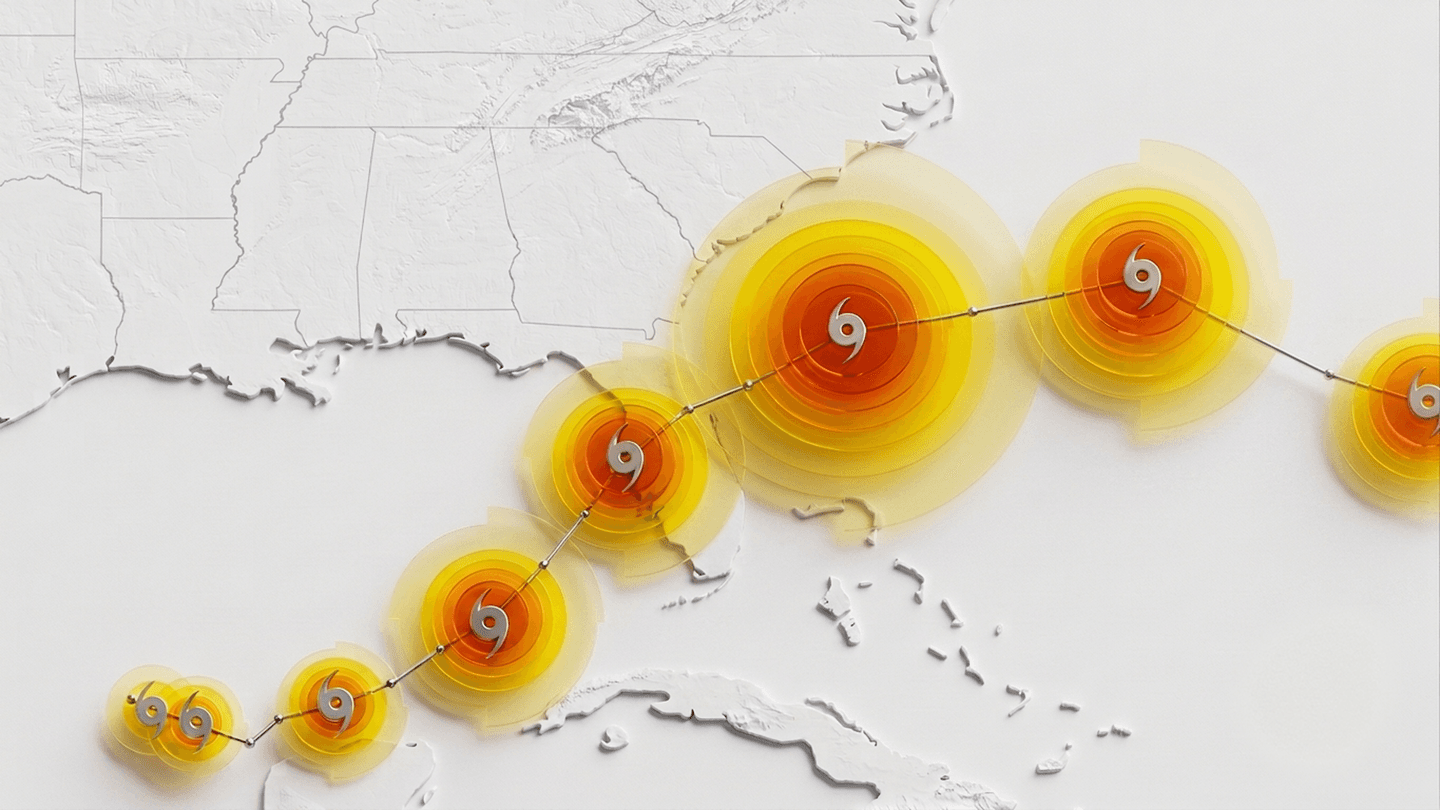
In the realm of meteorology, predicting cyclones has long been fraught with complexities. Traditional methods rely heavily on high-resolution data, intricate models, and a combination of human expertise and technology. Yet, a new AI model is making waves by turning this conventional wisdom on its head.
Challenging the Status Quo of Weather Forecasting
Google DeepMind's WeatherNext 2 AI model has claimed center stage with its ability to predict cyclones with remarkable accuracy. As reported by Google Blog, the model exhibits state-of-the-art precision, significantly surpassing existing forecasting techniques. The striking part? It achieves this using lower-resolution data, a departure from the traditionally data-intensive methods of weather forecasting.
By utilizing less detailed data, WeatherNext 2 not only reduces the computational load but also democratizes the process of cyclone prediction. This approach could potentially allow regions with limited access to high-tech infrastructure to benefit from advanced forecasting tools. The implications for disaster preparedness and response are profound.
Unraveling the Mystery Behind the Model
What sets WeatherNext 2 apart is not just its accuracy but the enigma of how it achieves such results. According to Wired, researchers themselves are still grappling with understanding the intricacies of the model's functioning. This lack of transparency raises questions about the reliability and trustworthiness of AI-driven forecasting, especially in high-stakes scenarios like cyclone predictions.
However, this ambiguity also presents an opportunity for further research and development. By opening up the model to the wider research community, DeepMind aims to foster collaboration and innovation, potentially leading to breakthroughs in understanding complex weather systems.
WeatherNext 2: A Step Towards Democratizing Weather Forecasting
The decision to open-source WeatherNext 2 is a strategic move that could transform the landscape of weather prediction. By making the model accessible to researchers and developers worldwide, DeepMind paves the way for a more inclusive approach to technological advancement. This could empower smaller institutions and developing nations to enhance their predictive capabilities without the need for expensive infrastructure.
As more stakeholders get involved, the model can be fine-tuned and adapted to local conditions, improving its accuracy and applicability across different geographical contexts. This collaborative effort might lead to a more resilient global community, better prepared to face the challenges posed by climate change and extreme weather events.
The Road Ahead: Balancing Innovation and Caution
While the advancements brought by WeatherNext 2 are promising, they also highlight the need for caution. The model's reliance on AI introduces new variables into the forecasting equation, and the lack of complete understanding could lead to unforeseen consequences. As we embrace these technological strides, it is crucial to maintain a balance between innovation and rigorous evaluation.
In conclusion, WeatherNext 2 represents a significant leap in our ability to predict cyclones, offering a glimpse into the future of weather forecasting. By challenging traditional methods and opening up new possibilities, it underscores the potential of AI to address global issues. However, the journey is just beginning, and as we move forward, collaboration, transparency, and vigilance will be key to harnessing this technology for the greater good.