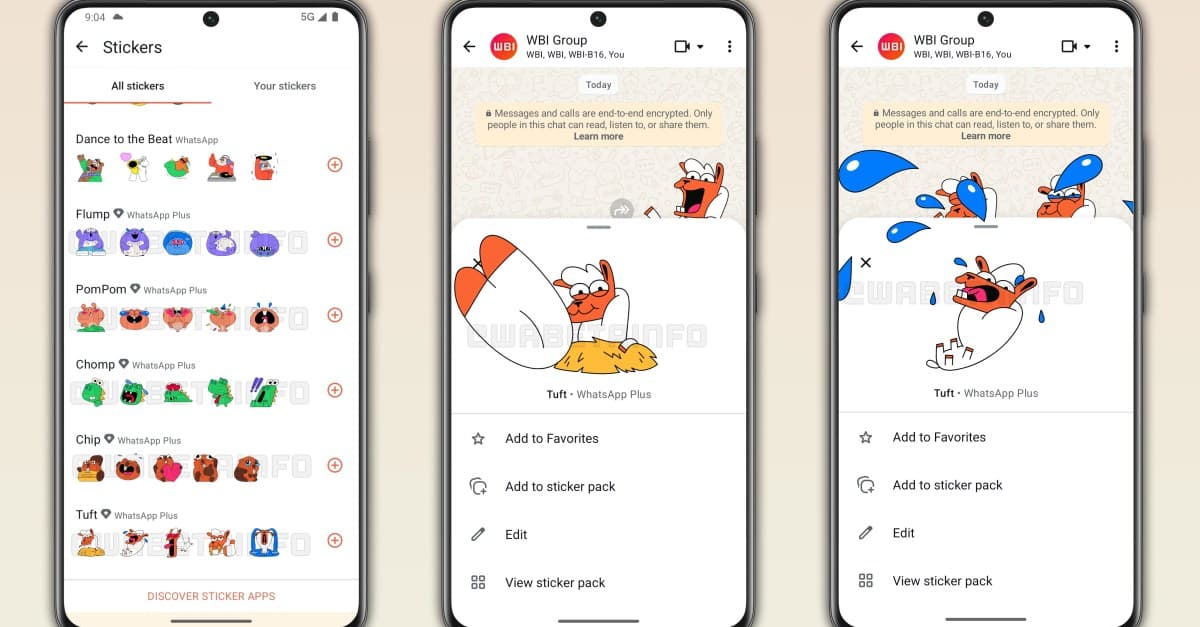
Meta's latest experiment with a subscription service for WhatsApp, dubbed WhatsApp Plus, marks a significant shift in how messaging apps might monetize their platforms. This service, priced at €2.49 (around $3) per month, offers a suite of cosmetic enhancements and minor functional improvements. These include premium sticker packs, unique app themes, custom app icons, premium ringtones, and the ability to pin up to 20 chats. It mirrors a similar offering from Snapchat, which charges $3.99 for comparable perks.
Why Are Users Paying for Minor Perks?
In the crowded landscape of free messaging apps, the introduction of a paid subscription might seem like a puzzling move. WhatsApp has long been a staple for its no-cost messaging service, drawing in users with its simplicity and reliability. However, the introduction of WhatsApp Plus suggests a pivot towards monetizing user engagement in new, albeit minor, ways. This strategy banks on the appeal of personalization and enhanced functionality, aiming to cater to a segment of users willing to pay for a more tailored experience.
The Real Cost of Customization
While the perks of WhatsApp Plus might seem modest, they reflect a broader trend in app monetization strategies. By offering these customization options, Meta is exploring how much users value personalization. It's a gamble that assumes users will find enough value in these perks to justify a subscription fee, despite the abundance of free alternatives. This approach is similar to the one taken by Snapchat, which has successfully maintained a subscriber base willing to pay for similar enhancements.
Will Users Embrace This New Model?
There's a tension here: will users, accustomed to free services, embrace this new model? The success of WhatsApp Plus will likely hinge on the perceived value of these extras. If users feel these features substantially enhance their app experience, they might be willing to pay. However, if the perks are seen as superfluous, Meta could face pushback from a user base that has historically enjoyed a free service.
As Meta tests this model with a limited user base, the results will offer insights into user behavior and preferences. It will also demonstrate whether this subscription model is a viable path forward for other messaging platforms seeking to monetize without relying solely on ads.
What Changes Next?
Should WhatsApp Plus prove successful, it could pave the way for more apps to adopt similar subscription models. This shift could redefine how services across the digital landscape balance free features with paid enhancements. It may also lead to a broader acceptance of paying for digital conveniences, particularly among younger, tech-savvy users who are already familiar with microtransactions in gaming and other digital services.
Ultimately, the rollout of WhatsApp Plus will serve as a test case for Meta's ability to innovate its monetization strategies beyond advertising. As the app ecosystem evolves, the willingness of users to pay for personalization and convenience will be crucial in shaping the future of digital communication platforms.