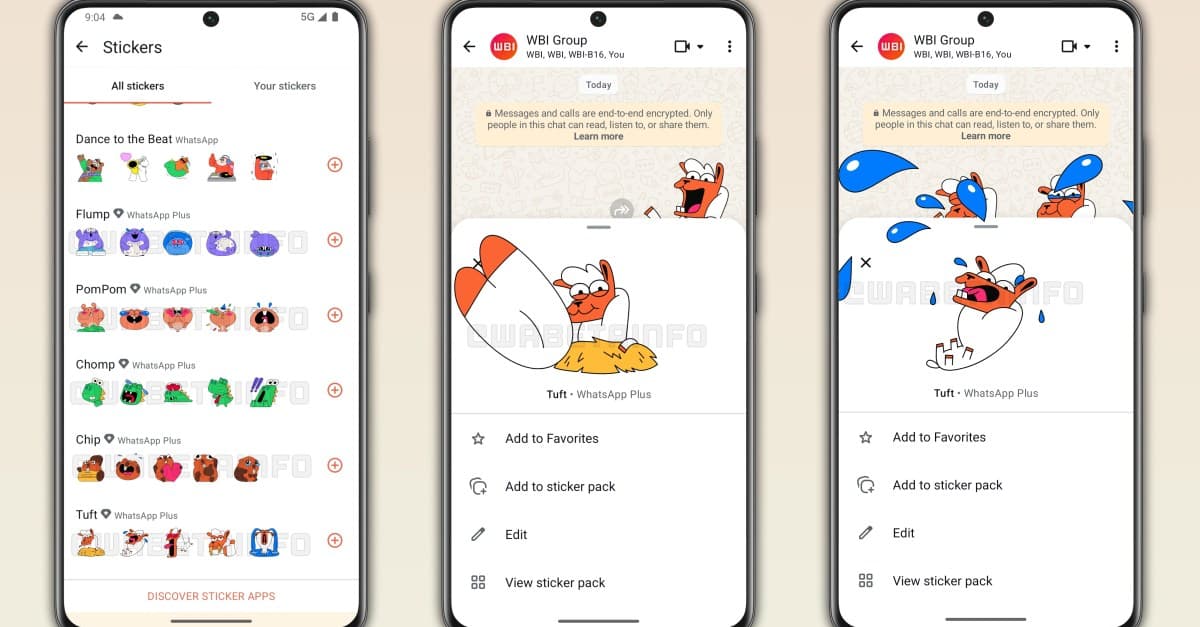
Meta's latest move to introduce a WhatsApp Plus subscription has stirred the pot among its users. The new offering, currently in testing, is priced at just under $3 per month and promises a slew of cosmetic and convenience-based features. These include access to premium sticker packs, custom app themes, and the ability to pin more chats. While these features might seem appealing at a glance, they invite a broader discussion about value and necessity.
Is Paying for WhatsApp Really Worth It?
WhatsApp has long been a staple of global communication, celebrated for its simplicity and free accessibility. The introduction of a paid tier challenges this norm and raises questions about the need for such enhancements. The additional features—premium stickers, custom icons, and more—are reminiscent of similar offerings by competing platforms, like Snapchat Plus. But are these enhancements enough to justify a subscription?
Many users might argue that the core functionality of WhatsApp remains unchanged with the free version, and the added perks are more about aesthetics than practicality. The subscription aims to enhance user experience with customizations, yet it's debatable whether these changes significantly impact daily use.
Meta's Monetization Strategy Under the Microscope
Meta's approach with WhatsApp Plus seems to be a strategic shift towards monetizing its vast user base. As reported by Social Media Today, the introduction of this subscription model mirrors trends observed in other social media platforms. However, the question remains whether users are willing to pay for services they’ve always received for free.
Such a shift might indicate Meta's need to diversify revenue streams, especially as competition in the social media space intensifies. By offering a subscription, Meta is testing whether users will pay for personalization and exclusivity. Yet, the risk is that these changes could alienate users who prefer WhatsApp for its straightforward, no-cost communication.
Will Users Embrace or Reject These Changes?
The initial reception among users has been mixed, as observed in various social media discussions. Some users appreciate the opportunity to personalize their app experience, while others remain skeptical about the necessity of these features. The Verge article highlights that these features are currently available to a limited number of users, suggesting that Meta is cautiously testing the waters before a full rollout.
One potential outcome is that WhatsApp Plus might attract a niche segment of users who value customization and are willing to pay for it. However, if the majority of users deem the subscription unnecessary, Meta may need to rethink its approach or enhance the offering to justify the cost.
What Changes Next for WhatsApp and Its Users?
If WhatsApp Plus gains traction, it could pave the way for more monetized features across Meta's platforms, potentially changing how users interact with their apps. Conversely, if users reject the subscription model, Meta might have to reinstate free enhancements to maintain its user base. This scenario presents a pivotal moment for WhatsApp as it balances innovation with user expectations.
Ultimately, the success of WhatsApp Plus hinges on whether users perceive value in these new features. Meta's experiment could either set a precedent for future monetization strategies or serve as a lesson in user preference and market demand.