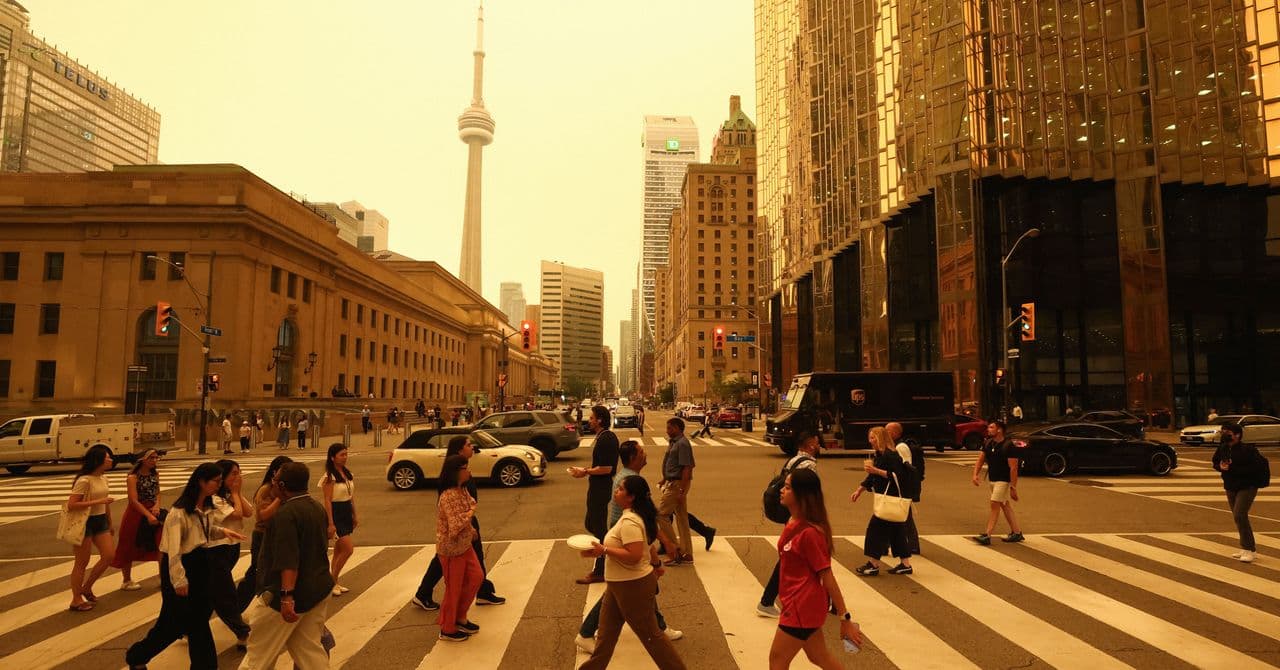
The persistent haze over the Northeast United States has become a stark reminder of how interconnected our environmental systems are. Smoke from nearly 100 wildfires in Ontario, Canada, has drifted over a thousand miles, enveloping cities like New York and Boston in a thick blanket of smoke. This phenomenon isn't just a weather anomaly; it's a wake-up call for the region to reconsider its preparedness for such environmental crises.
Why the Smoke Keeps Coming Back
Wildfires in Canada are not new, but their frequency and intensity have increased in recent years. According to Wired's recent coverage, over 100 wildfires are currently raging out of control in Ontario. The smoke from these fires travels southward, affecting areas far from the flames. This has prompted widespread concern about air quality and public health in the United States.
The reasons for these fires are complex, involving a mix of climate change, forest management practices, and natural cycles. As temperatures rise, dry conditions become more common, creating a tinderbox scenario where even a small spark can lead to massive fires.
Masks Alone Won't Solve the Problem
While face masks can provide some level of protection against the harmful particles in wildfire smoke, they are not a panacea. As reported in another Wired article, masks can help filter out larger particles but are ineffective against the smaller, more harmful ones. These particles can penetrate deep into the lungs, posing serious health risks.
This highlights a critical gap in our current preparedness strategies. Relying solely on masks during wildfire smoke events is inadequate, and more comprehensive measures need to be taken to protect public health. This includes improving air quality monitoring and public advisories, as well as investing in air filtration systems for homes and public buildings.
A Call for Long-term Solutions
The recurring nature of these smoke events suggests that they are likely to become a regular part of life for those in affected areas. This underscores the need for long-term strategies that go beyond immediate reactive measures. More robust forest management practices, both in Canada and the United States, could help mitigate the severity of future fires.
Moreover, addressing the root causes of climate change by reducing greenhouse gas emissions could help slow the trend of increasing wildfires. This requires coordinated action at both the national and international levels, involving policies that support renewable energy and sustainable land use practices.
In conclusion, while face masks provide a temporary shield against the smoke, they are far from a comprehensive solution. The smoke blanketing the Northeast is a symptom of larger environmental issues that demand urgent attention and action. Without long-term strategies, the health and safety of millions will continue to be at risk each wildfire season.