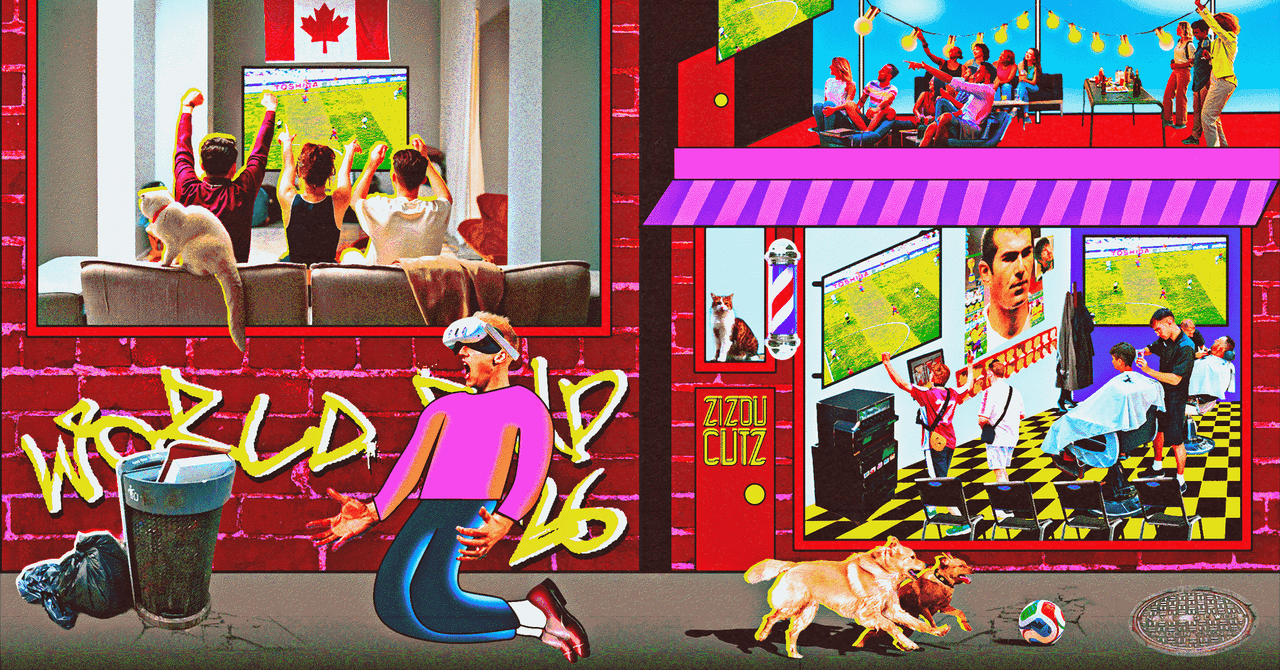
World Cup 2026: The Halftime Show Debate Heats Up
The 2026 FIFA World Cup in Mexico, Canada, and the United States is not just making headlines for the thrilling matches. This year, FIFA introduced the first-ever halftime show in World Cup history, a decision that highlights an underlying tension in the world of sports. This move has sparked a debate that pits traditionalists against a new wave of entertainment-focused sports experiences.
This change comes at a time when sports events are increasingly becoming entertainment spectacles. The idea is to attract a wider audience, including those who might not be avid soccer fans. By introducing elements similar to those seen in events like the Super Bowl, FIFA is aiming to create a more inclusive experience.
Traditional Fans Feel Left Behind
However, this shift is not without controversy. Longtime soccer enthusiasts express concern that such entertainment elements detract from the sport itself. Traditional fans worry that the essence of the World Cup—celebrating pure athletic competition—is being overshadowed by the glitz of entertainment.
As noted in a recent Wired article, the introduction of a halftime show is seen by some as a departure from what makes the World Cup special. The balance between maintaining the integrity of the sport and adapting to modern entertainment expectations is delicate and fraught with potential pitfalls.
Why FIFA Embraced the Entertainment Angle
FIFA's decision to incorporate a halftime show reflects broader trends in sports marketing. With declining viewership numbers for traditional sports broadcasts, there's a push to capture the attention of younger audiences who may not have the same level of engagement with sports as previous generations.
Reports suggest that this move is part of a strategic effort to boost viewership and engagement, particularly in markets where soccer is still growing. The goal is to create a spectacle that goes beyond the game itself, hoping to emulate the success of events like the Super Bowl, where the halftime show is often as anticipated as the game.
What's Next for Sports and Entertainment?
The introduction of halftime shows at the World Cup could set a precedent for future tournaments, potentially influencing how other sports events are structured. However, the challenge remains to satisfy both camps: those who crave traditional sports purity and those who seek a more modern, entertainment-laden experience.
As this year's World Cup draws to a close, the debate continues. Broadcasters and event organizers will need to find innovative ways to strike a balance that respects the sport's heritage while embracing new trends. The outcome of this cultural shift could redefine the landscape of global sports entertainment in the years to come.