
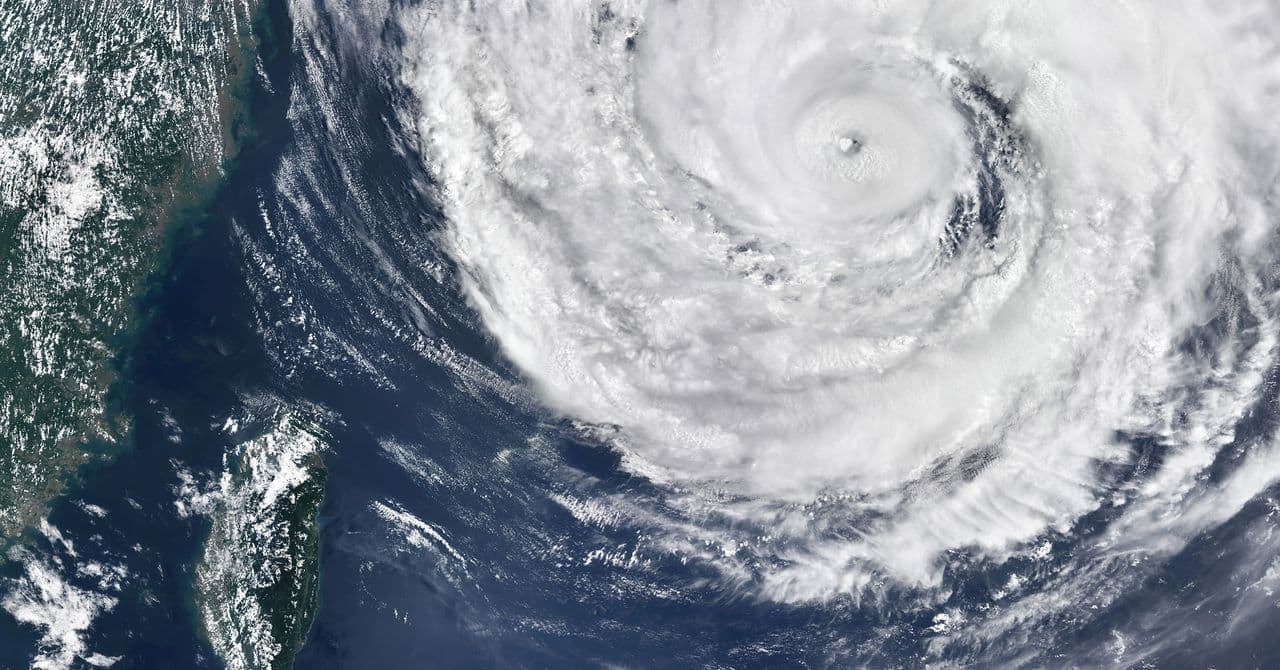
The 2026 El Niño is shaping up to be a climatic event of unprecedented scale, with experts warning of its potential to exacerbate global weather disruptions. As the World Meteorological Organization predicts this phenomenon to persist until at least February, the implications are profound and multifaceted. With global sea-surface temperatures having already reached a record 21.1°C, as reported by Copernicus, the stakes are higher than ever.
Why This El Niño Is Unlike Any Before
In previous years, El Niño events have been significant yet manageable occurrences. However, this time, the situation appears more dire. According to a report by Wired, the current El Niño is not only the strongest recorded but is also coinciding with already elevated ocean temperatures. This combination is expected to intensify weather patterns globally, leading to more severe storms, droughts, and ecosystem disruptions.
The intensity of this El Niño is attributed to a variety of factors, including the baseline increase in global temperatures. With ocean heat levels at unprecedented highs, the usual cooling effects of La Niña have been insufficient to offset the warming trend. This sets a concerning precedent for future climate patterns, suggesting that such intense events could become more common.
The Global Impact: More Than Just Weather
While El Niño is primarily known for its immediate weather impact, the ripple effects extend far beyond. The DMNews highlights how these temperature anomalies are creating conditions ripe for severe agricultural disruptions. Crops reliant on predictable weather patterns may fail, leading to potential food shortages and economic instability in vulnerable regions.
Moreover, these climatic shifts stress ecosystems already under pressure from human activity and pollution. Marine life, particularly species sensitive to temperature changes, faces significant threats. The bleaching of coral reefs, a process accelerated by warmer oceans, could see a dramatic increase, leading to biodiversity loss.
What Changes Next: Preparing for a New Climate Reality
As we brace for the months ahead, the question remains: what can be done to mitigate these impacts? Immediate adaptation measures must be prioritized. This includes strengthening infrastructure to withstand extreme weather and developing robust agricultural practices that can cope with unpredictable conditions. Communities must be informed and prepared for potential emergencies, with resources allocated to support the most affected populations.
In the long term, addressing the root causes of climate change is imperative. This involves international cooperation to reduce greenhouse gas emissions and promote sustainable energy solutions. Failure to act now could mean facing even more severe climatic events in the future, with consequences that are increasingly difficult to manage.
The 2026 El Niño serves as a stark reminder of the delicate balance our planet maintains. It challenges us to reconsider our role in shaping a resilient and sustainable future amidst a rapidly changing climate.