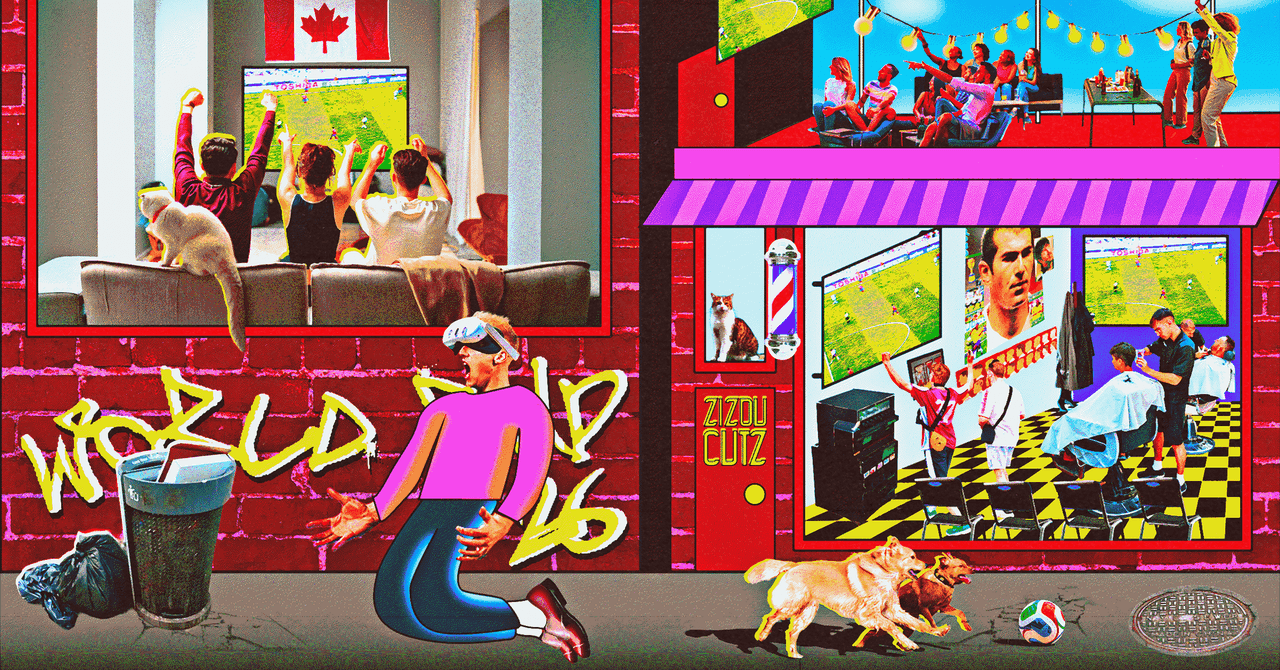
The 2026 FIFA World Cup has introduced a significant change: the incorporation of a halftime show. This inclusion, reminiscent of American sports traditions, marks a departure from the traditional, straightforward structure of international football tournaments. While some fans welcome the added entertainment, others worry it may dilute the purity of the sport.
Football's New Spectacle: A Turning Point?
The announcement of the halftime show for the World Cup semifinals, featuring high-profile performances, has sparked a lively debate among football enthusiasts. Traditionally, football has resisted the commercialization often seen in American sports. The halftime show, previously exclusive to events like the Super Bowl, now finds its place on the global football stage, potentially altering how the sport is perceived worldwide.
Fans on Reddit have voiced mixed reactions. Some see the halftime show as a welcome addition that could attract a broader audience and enhance the viewing experience. Others argue it diverts attention from the game itself, fearing it may turn football into a mere backdrop for entertainment.
Why Is FIFA Embracing Entertainment?
FIFA's decision to incorporate a halftime show aligns with a broader strategy to expand football's appeal. By integrating elements of entertainment, FIFA aims to capture a younger, more diverse audience that values a multifaceted experience. This strategy echoes the approach seen in other sports, where entertainment and athletics blend seamlessly to create an event that appeals to both sports fans and general audiences.
However, this shift raises questions about the future of football's authenticity. Critics argue that adding entertainment elements might overshadow the sport's inherent drama and excitement, which have captivated fans for generations. The fear is that football could lose its unique identity, becoming just another entertainment spectacle.
What Changes Next: A New Era for Global Football Culture
The introduction of a halftime show sets a precedent that could redefine global football culture. If successful, it might become a staple in future tournaments, influencing other international football events to follow suit. This change could lead to a more commercialized version of the sport, where entertainment and sponsorships play a more significant role than ever before.
The implications are vast. Clubs and national teams might begin to consider similar entertainment strategies to boost viewership and engagement. Broadcast rights and advertising deals could also see changes, placing more emphasis on the entertainment aspect of the events. In essence, football could transform into a hybrid of sport and spectacle, reshaping its cultural significance on a global scale.
As the 2026 FIFA World Cup progresses, the reception of the halftime show will be closely watched. Its success or failure could dictate the future landscape of international football, influencing how the sport is celebrated and consumed worldwide.