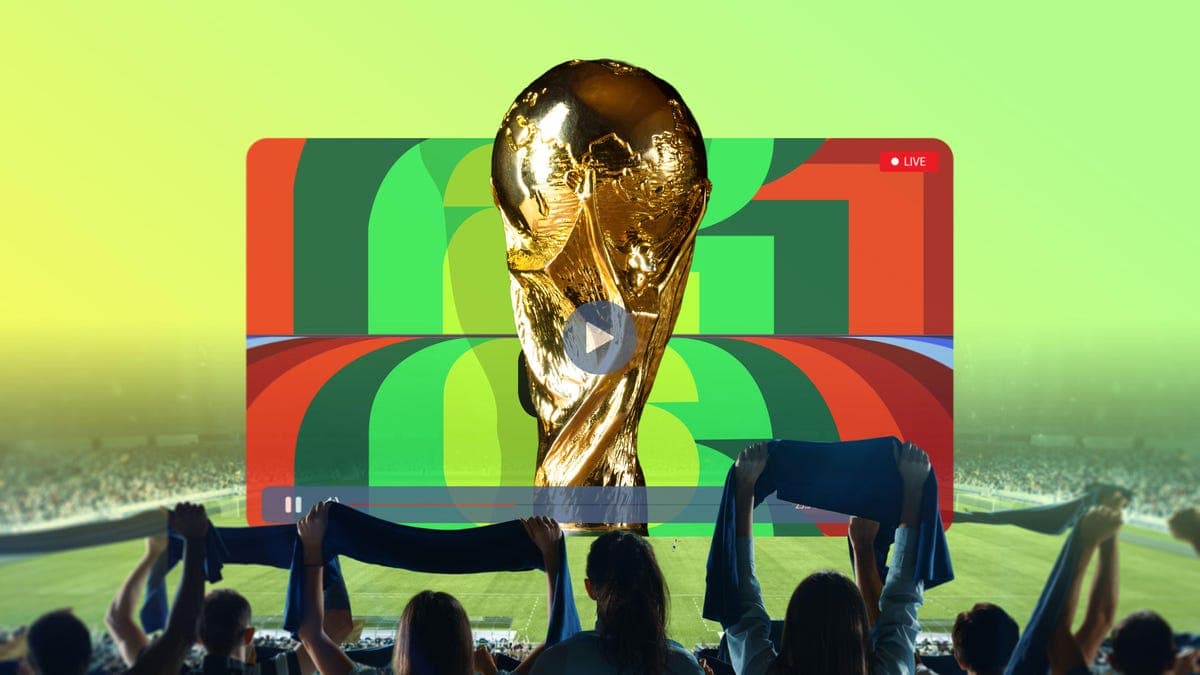
The 2026 FIFA World Cup is poised to be a major event, not just for the world of sports, but also for the realm of digital broadcasting. With 104 games scheduled from June 11 to July 19, fans around the globe are eager to tune in. What makes this tournament particularly interesting is the variety of ways people can watch it. The traditional cable package is no longer a necessity, as digital platforms are stepping up to deliver the action. But is having more options truly beneficial for viewers?
Cable's Grip on Sports Is Loosening
For decades, cable television has held a monopoly on sports broadcasting. However, that grip is weakening as streaming services offer more affordable and flexible ways to watch. According to a ZDNet article, many platforms are now providing free or low-cost streaming options for the World Cup. This shift reflects a broader trend in media consumption, where audiences are increasingly favoring the on-demand nature of digital services.
Yet, the transition isn't without its challenges. While it's true that streaming services provide accessibility, the fragmentation of viewing options could lead to confusion. Fans may find themselves juggling multiple subscriptions or searching for the right platform that carries their preferred matches.
Too Many Choices Can Overwhelm
The abundance of streaming services introduces a paradox of choice. As noted by Wired, there are nine different ways to stream the World Cup. While diversity in options is generally seen as positive, it can overwhelm consumers who are unsure about which service offers the best value or the most comprehensive coverage.
This dilemma highlights a new kind of viewer fatigue—decision fatigue. When faced with too many choices, people may struggle to make a decision at all, leading to less satisfaction and potentially missing out on key moments of the tournament.
What Changes Next in Sports Broadcasting?
The implications of this shift in viewing habits extend beyond this year's World Cup. As streaming becomes the norm, we can expect traditional broadcasters to evolve. They might invest in their own digital platforms or form partnerships with existing streaming services to retain their audience. For consumers, this means more competitive pricing and possibly even personalized viewing experiences.
Yet, the challenge remains: how to consolidate these fragmented options into a seamless experience. Companies that can successfully integrate multiple services into a single platform stand to gain significantly in this evolving market.
The 2026 World Cup offers a glimpse into the future of sports broadcasting—a future where flexibility and accessibility reign, but also one where simplicity and integration are crucial for viewer satisfaction. As we navigate this new landscape, the key will be balancing choice with clarity.