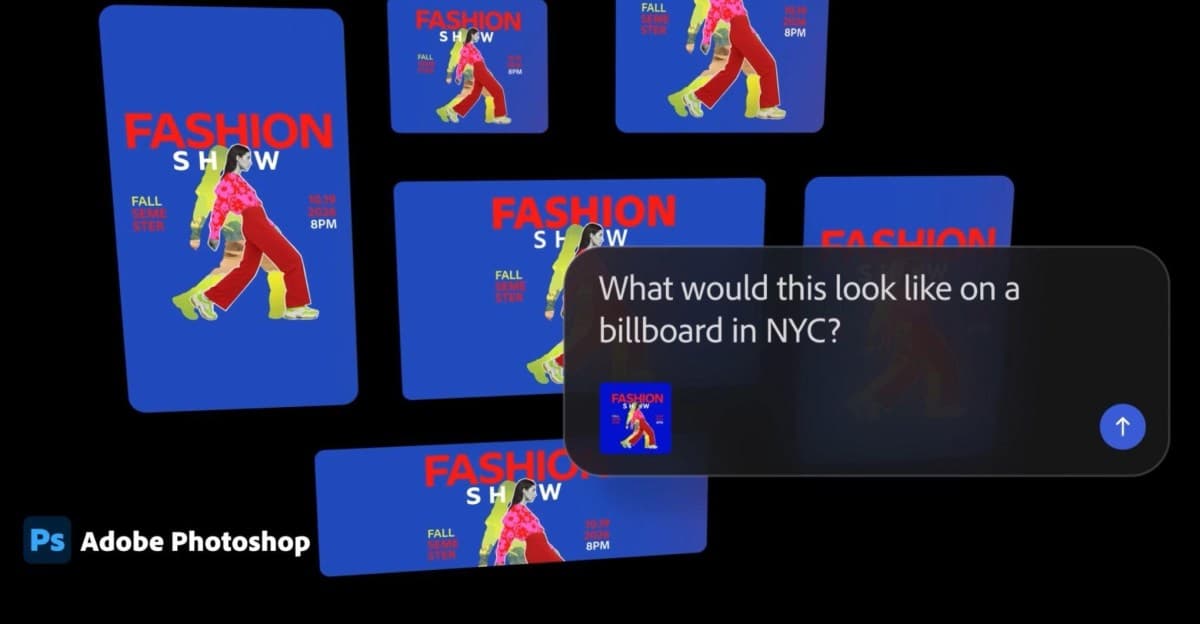
Adobe is at the forefront of integrating AI into its Creative Cloud suite, a move that could redefine the landscape of creative work. As reported by The Verge, Adobe has rolled out AI assistants across major applications like Photoshop, Premiere, and Illustrator. These AI agents promise to make creative tasks more efficient by automating repetitive functions and organizing workflows. However, this shift raises fundamental questions about the balance between efficiency and creativity.
Efficiency or Creativity? The New Dilemma
Adobe's AI assistants are designed to operate as specialists within each application, performing tasks that would typically require significant manual effort. For instance, the Premiere AI assistant is tailored for video editing tasks, potentially saving hours of work. This development comes as a boon to professionals who are constantly under pressure to deliver high-quality work quickly.
Yet, the automation of creative processes raises a critical concern: Could these AI tools undermine the creative process itself? By handling routine tasks, AI may free up time for more complex creative endeavors, but it might also lead to a reliance on machine-generated solutions. Where is the line between aiding creativity and replacing it?
AI's Role in Shaping Artistic Authenticity
The introduction of the Firefly AI studio adds another layer to this debate. According to The Verge, the studio offers a unified interface that remembers previous designs and allows for easy replication. This feature is intended to streamline the creative process, but it also poses a risk of homogenizing artistic outputs. The ability to easily replicate designs could lead to a lack of diversity and authenticity in creative work.
For artists and designers, the authenticity of their work is paramount. AI systems, by their nature, operate on pre-defined algorithms and data sets, which may not capture the nuanced vision of a human creator. This raises a fundamental question: Can art generated with AI assistance maintain the same level of authenticity and emotional impact as work crafted solely by human hands?
What's Next for Creative Workflows?
The integration of AI into creative workflows is not without its benefits. It promises increased productivity and the possibility of exploring new creative frontiers. For instance, Adobe's AI can provide suggestions that might inspire new directions in a project. However, the challenge lies in maintaining a balance between utilizing AI for efficiency while ensuring that it does not dilute the human element that defines art.
As Adobe continues to push the boundaries with its AI tools, creative professionals must decide how to incorporate these technologies into their work. Embracing AI can lead to faster and potentially more innovative outputs, but it may also require a reevaluation of what constitutes originality and creativity. The future of creative work will likely involve a blend of human ingenuity and machine efficiency, but finding the right balance will be crucial.