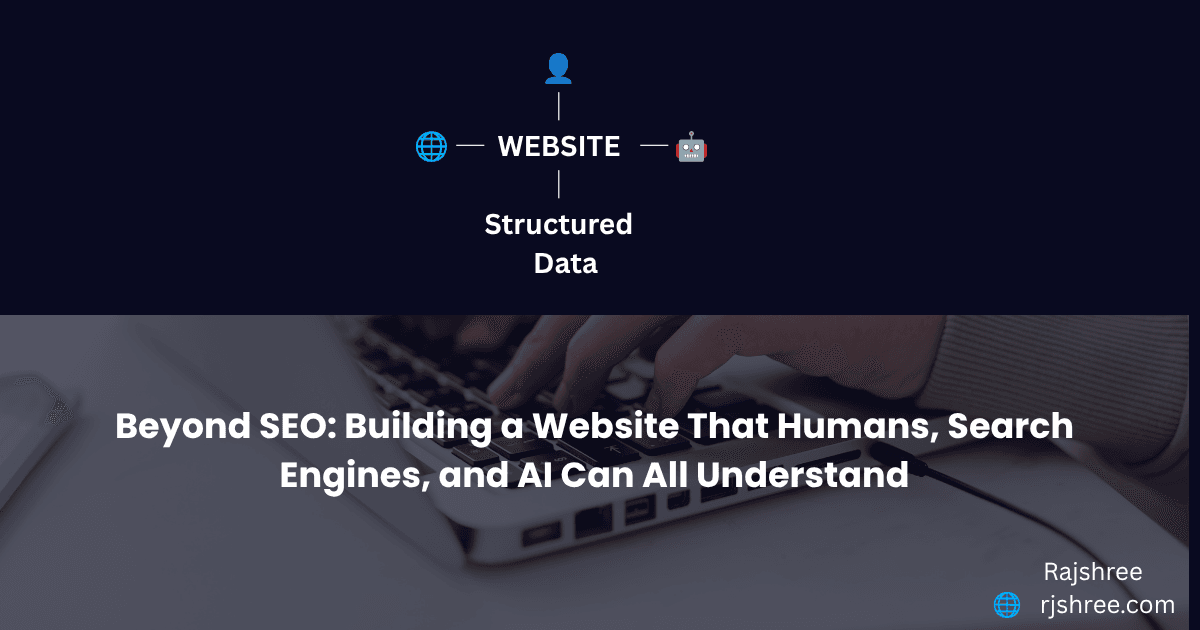
The digital landscape no longer revolves solely around human users and search engines. As highlighted in recent discussions and publications, a new player has entered the arena: artificial intelligence. Websites must now be accessible and understandable to AI systems, a shift that challenges traditional SEO strategies and content creation.
Why Traditional SEO Is No Longer Enough
SEO strategies have long focused on optimizing for search engines like Google, aiming to boost visibility and rankings. According to an analysis on Medium, this approach is now outdated. The evolution of AI tools, which synthesize and relay information without direct human intervention, signals a need for change. AI can deliver answers before a user even visits a website, reshaping the path of digital interactions.
This shift demands that websites be structured in a way that not only appeals to human readers but also makes sense to AI crawlers. As AI systems become more prevalent in search processes, the traditional focus on keywords and metadata must expand to include semantic understanding and contextual relevance.
The Risk of Ignoring AI as a Target Audience
Failing to address AI as a crucial audience could result in significant missed opportunities. The Ahrefs Blog points out that AI might summarize a website's offerings or make comparisons to competitors before a user even clicks through. This pre-emptive information delivery can shape a user's perception and decision-making process, underscoring the importance of AI-friendly content.
Neglecting to optimize for AI may lead to a decline in user engagement, as users may never reach websites that are insufficiently represented in AI-driven answers. This change necessitates a reevaluation of how content is organized and presented.
Adapting to the AI Era: Practical Steps Forward
To thrive in this new landscape, website creators need to prioritize clarity and context. Content should not only be keyword-rich but also logically structured to convey meaning effectively to machines. This involves using structured data, clear headings, and consistent formatting to ensure AI systems can easily parse and understand the information.
Moreover, as AI assistants become more sophisticated, incorporating natural language processing capabilities into content strategy can enhance a website's AI-readiness. This means considering how AI interprets and processes language, which can differ from traditional search engine algorithms.
What Changes Next? The Need for Continuous Evolution
The integration of AI into search processes is an ongoing development that will continue to evolve. Website owners and digital marketers must stay abreast of these changes, adapting their strategies to maintain visibility and relevance. This includes ongoing education and updates to content practices, ensuring that both AI and human audiences are effectively served.
Ultimately, embracing AI as a key component of digital strategy can enhance user engagement and ensure that content reaches its intended audience, regardless of the medium through which it is accessed.