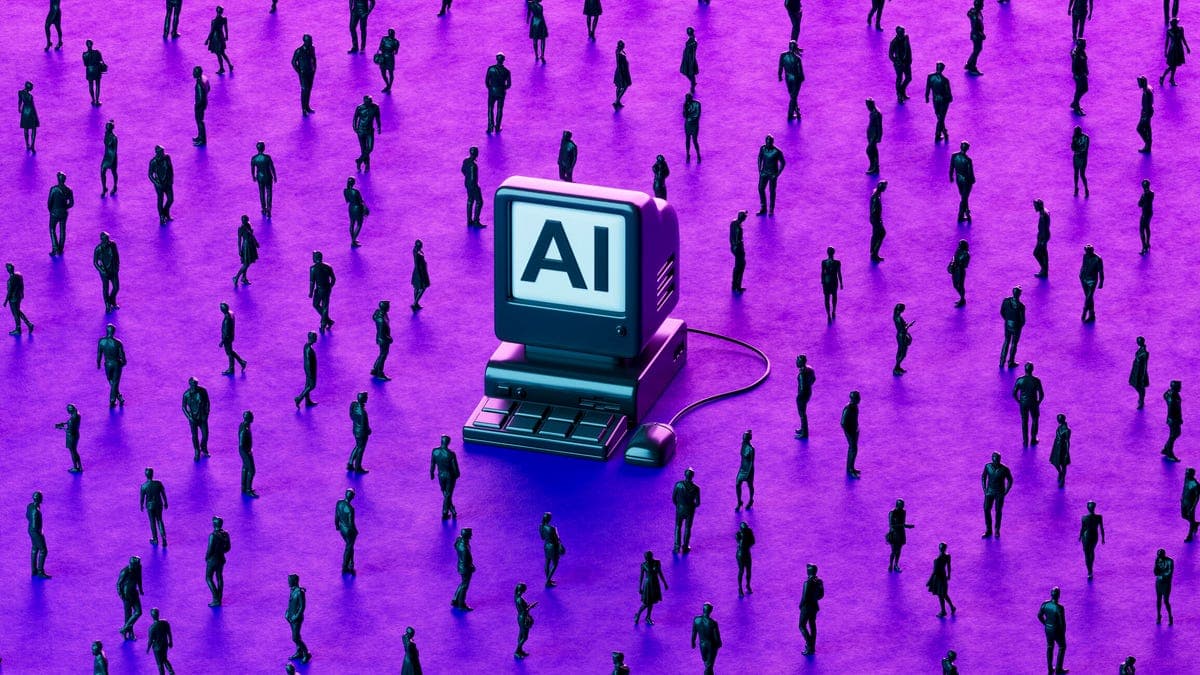
The rapid evolution of artificial intelligence (AI) is reshaping job markets, creating both anxiety and opportunity. As AI continues to advance, its impact on employment is a hotly debated topic, with many fearing that automation will lead to widespread job losses. However, this perspective might overlook the nuanced reality of AI's influence on the workforce.
Why the Fear of AI Job Losses Persists
There's a widespread belief that AI is poised to replace human workers, particularly in roles that involve repetitive tasks. This fear is not unfounded, as numerous reports highlight the displacement of jobs due to automation. The Snowflake survey discussed in a ZDNet article reveals that tech roles are particularly vulnerable, with many positions evolving beyond basic skills.
In the tech industry, job roles that were once considered secure are now at risk. Many workers are concerned about their futures, as AI systems become capable of performing tasks that were once solely human domains. This shift in demand is unsettling for those who have built their careers on foundational technical skills.
The Overlooked Potential of AI Job Gains
Despite the concerns, AI is not just taking jobs away. It is also creating new opportunities, particularly for those willing to adapt. The same Snowflake survey highlights that while some roles are diminishing, others are emerging, especially those that require high-level AI oversight.
AI has the potential to create jobs that never existed before, especially in areas that involve managing and improving AI systems. This evolution demands a different skill set, one that emphasizes strategic oversight and creative problem-solving. As the Figma Blog suggests, designers, for example, need to sharpen skills that align with AI advancements to thrive in the new landscape.
Real-World Tensions Highlight AI's Dual Impact
The dual nature of AI's impact on employment creates a complex landscape for workers and employers alike. On one hand, there is undeniable tension as traditional roles evolve or disappear. On the other hand, there is a burgeoning demand for new skills and innovative roles that capitalize on AI's capabilities.
As highlighted by the ZDNet report, the paradox of AI-driven job losses and gains illustrates a critical need for adaptation. Industries must navigate this transition carefully, balancing the loss of traditional roles with the creation of new opportunities that leverage AI technologies.
Embracing Change: The Path Forward
To navigate the evolving job landscape, workers and employers must embrace change proactively. This means investing in education and training that focus on AI-related skills and competencies. By doing so, they can mitigate the risks of job displacement while capitalizing on the opportunities AI presents.
Ultimately, the challenge lies in reshaping the workforce to align with AI advancements. This requires a shift in mindset from fearing automation to embracing it as a tool for innovation and growth. As industries adapt, the focus should be on creating jobs that complement AI, rather than compete with it.