
The narrative surrounding artificial intelligence and its potential to replace human creativity has been a point of contention in recent years. The rise of advanced AI models, capable of tasks once thought to be exclusively human, fuels this debate. A recent discussion on Reddit encapsulates the public's concern: will AI models like Moonshot's new vibe-coding technology render human creativity obsolete? This editorial argues that such fears are misplaced and that the real story is about collaboration rather than replacement.
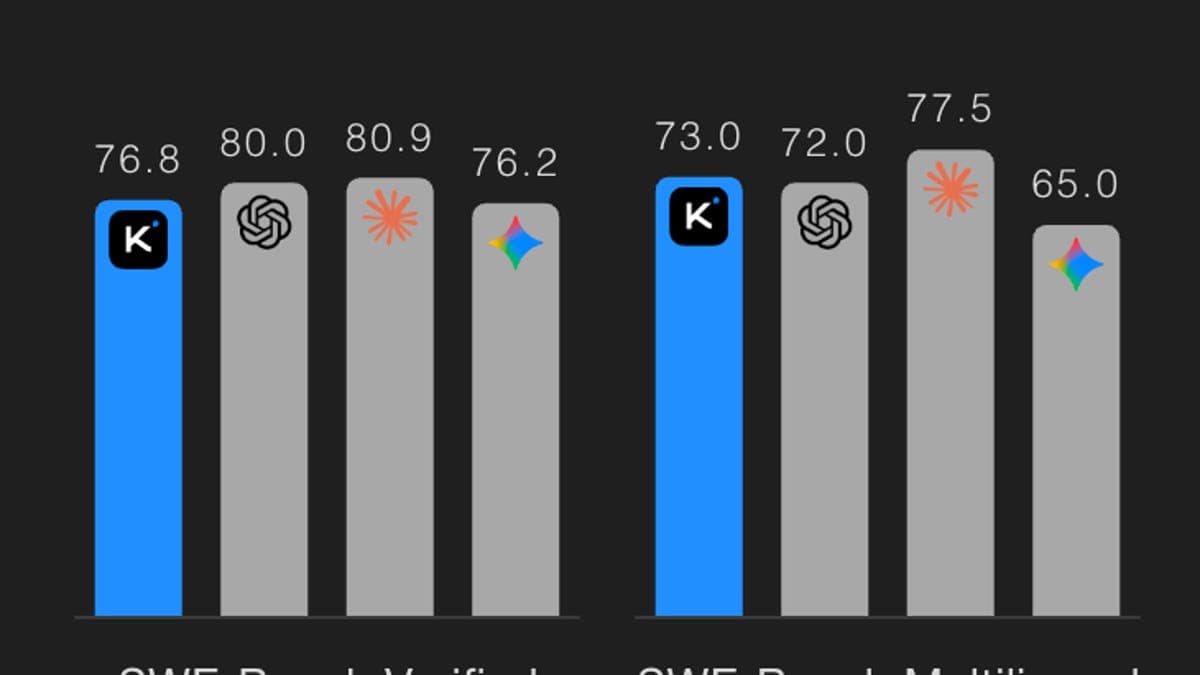
Many believe that AI is on the brink of overtaking human creativity. This belief is bolstered by the rapid development of AI technologies that can generate music, art, and even written content. The new AI model from Moonshot, as reported by ZDNet, exemplifies this trend with its capability to "vibe-code" from a single video upload. Such innovations suggest a future where AI not only assists but potentially surpasses human creative efforts.
However, this belief is incomplete and overlooks the nuanced reality of AI's role in creative industries. While AI tools are indeed becoming more sophisticated, they are not poised to replace human creativity entirely. Instead, they serve as powerful tools that can augment human capabilities. The Chiefmartec article discussing the predictions for marketing and martech highlights a vision of "harmonizing humans" with technology rather than displacing them. AI can process vast amounts of data and offer insights, but it lacks the emotional intelligence and cultural understanding that define human creativity.
Real-world applications of AI demonstrate a collaborative relationship between humans and machines. In the marketing world, AI-driven tools are used to analyze consumer data and predict trends, allowing marketers to craft more effective campaigns. Yet, the creative spark that conceptualizes a campaign or understands the emotional nuances of an audience remains a distinctly human trait. The Chiefmartec analysis shows that AI's role in marketing is to support and enhance human efforts, not to eliminate them.
In the arts, AI can generate music and art, but these creations often require human intervention to refine and contextualize them. AI-generated art can lack the depth and intention that comes from human experience and emotion. The ZDNet article acknowledges this by questioning the practical utility of Moonshot's vibe-coding model for businesses and individuals, hinting at the limitations of AI without human input.
Our editorial stance is clear: AI is not a replacement for human creativity but an ally. The potential of AI lies in its ability to handle repetitive tasks, process large datasets, and offer new perspectives. This frees humans to focus on the creative and strategic elements that machines cannot replicate. Embracing AI as a partner can lead to more innovative and effective outcomes in both creative and business endeavors.
The fear of AI overtaking human creativity is rooted in a misunderstanding of what creativity entails. Creativity is not just about generating content; it is about context, emotion, and human connection. AI can assist in these processes, but the human touch remains irreplaceable. As we move forward, the focus should be on how AI can complement human abilities, leading to a more harmonious and productive future.