
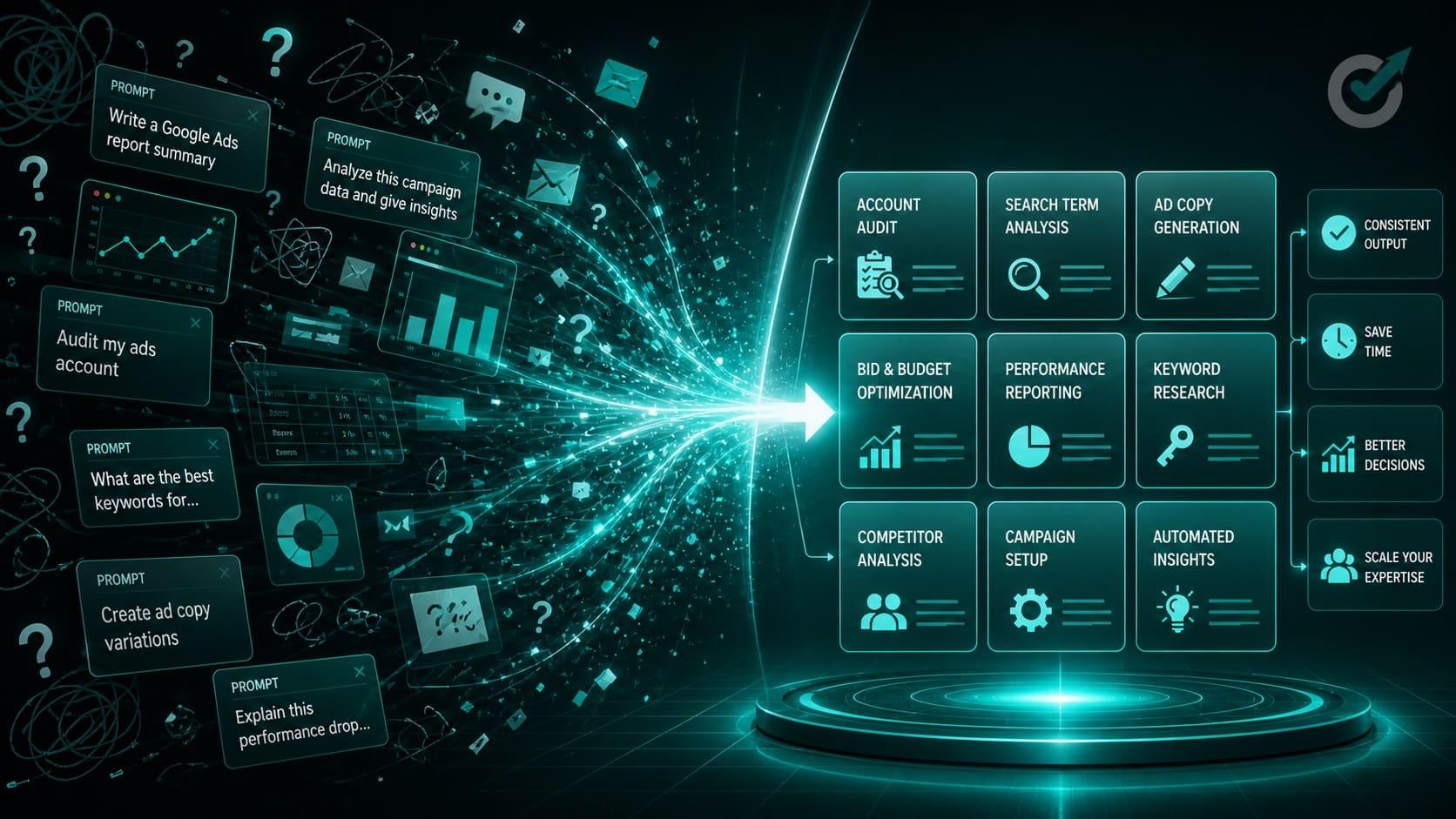
The marketing landscape is rapidly being reshaped by artificial intelligence, promising efficiency and scale that are hard to ignore. Yet, beneath this promising exterior lies a cautionary tale of potential misuse and over-reliance. As AI becomes more embedded in marketing strategies, the question arises: Are we losing sight of the human element that makes marketing truly resonate?
The Allure of AI in Marketing: Efficiency at What Cost?
AI promises to revolutionize marketing by automating repetitive tasks, analyzing data at unprecedented speeds, and providing insights that human analysts might miss. According to a recent MarTech article, AI skills are becoming the next layer of marketing automation, where chatbots are no longer just customer service tools but scalable operating systems for agencies. This transformation allows businesses to operate more efficiently and at scale, turning what used to be manual processes into streamlined, automated workflows.
However, this rush to automate should come with a caveat. The ability to deploy AI that feels personalized and human-like is still largely aspirational. Many AI systems, while technically sophisticated, lack the nuance and empathy of human interaction. This gap can lead to marketing that feels cold or disconnected from the customer experience.
Why Treating AI Like Interns Might Save Your Business
ZDNet's recent coverage provides a crucial piece of advice: treat your AI agents like eager but misguided human interns. This analogy highlights the risk of granting AI too much autonomy without proper oversight. Just as an intern needs guidance and clear boundaries, so do AI systems. Without this, there's a risk of AI making decisions that businesses can't control or, worse, compromising customer trust and data privacy.
The complexity of AI systems means that they require detailed instructions and oversight to function effectively. Over-reliance on AI can lead to situations where businesses lose control, as AI starts to make decisions based on data patterns rather than human intuition and judgment. This could result in marketing strategies that are technically sound but lack the human touch needed to truly connect with audiences.
What Changes Next: Striking a Balance Between AI and Human Insight
The next step for businesses is to find a balance between leveraging AI's capabilities and maintaining the human elements of marketing that build genuine connections. This involves setting clear boundaries for AI systems and ensuring that human oversight is always present. Businesses might consider creating hybrid roles where marketers work alongside AI, using its insights while applying human creativity and judgment.
Additionally, as AI technology continues to evolve, businesses must stay informed about the latest developments and potential risks. This includes regularly auditing AI systems for security vulnerabilities and biases, ensuring that the AI aligns with the brand's values and customer expectations.
In conclusion, while AI offers exciting possibilities for the future of marketing, it is essential to approach its integration with caution. By treating AI as interns—guiding them with clear boundaries and oversight—businesses can harness the power of AI without sacrificing the human touch that makes marketing effective.