
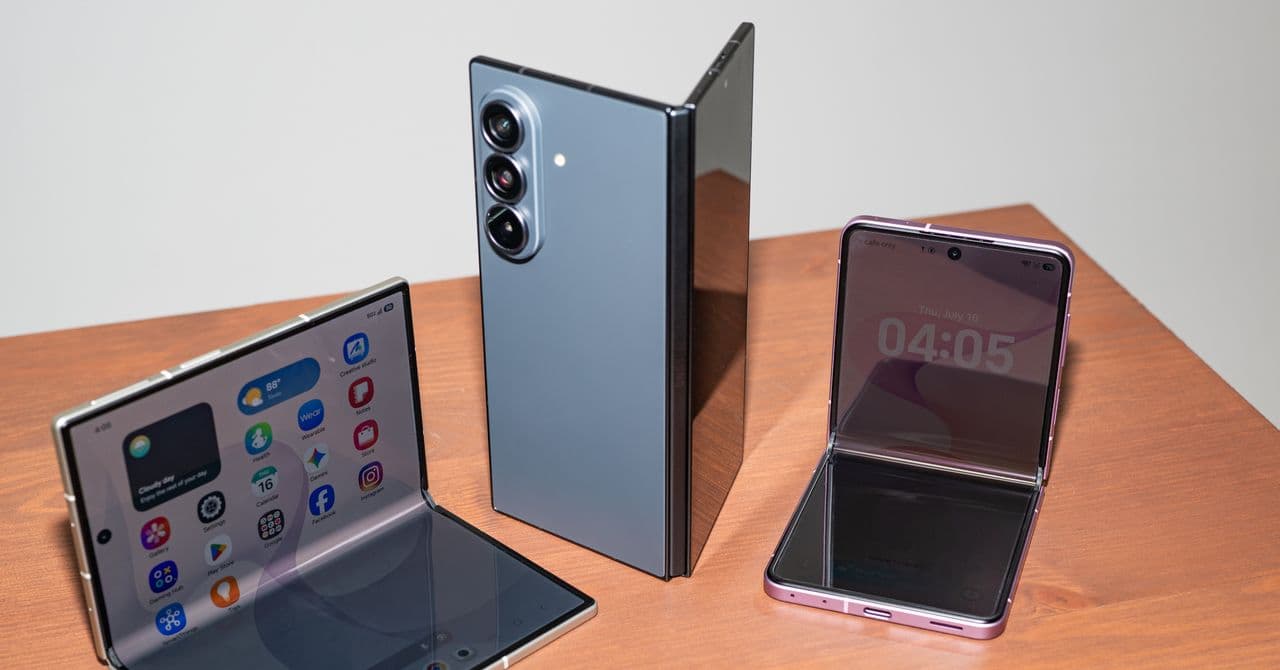
Apple's entry into the foldable phone market with the iPhone Duo has sparked significant interest and debate. As the tech giant prepares to launch its first foldable device, industry observers are weighing the potential impacts on the competitive landscape. While Apple is often celebrated for its ability to redefine product categories with innovation, the foldable market presents unique challenges that might test this reputation.
Apple's Hardware Hurdle in a Crowded Field
Apple's iPhone Duo enters a market already populated by devices from Samsung, Huawei, and Xiaomi, all of which have established their presence with innovative foldable designs. According to The Verge, Apple's hardware, while competent, does not introduce groundbreaking features. This is a departure from Apple's usual strategy of hardware innovation that sets it apart from competitors.
Samsung, a leader in the foldable space, has openly welcomed Apple's competition. In an interview with Wired, Samsung emphasized the importance of the device's weight, a critical factor in user experience. This hints at potential pitfalls for Apple, as achieving the right balance between durability and portability is crucial in foldable design.
Software as Apple's Secret Weapon
Despite the hardware challenges, Apple's strength may lie in its software capabilities. The Verge highlights that Apple's software polish could make features feel new and engaging, even if the hardware itself isn't revolutionary. This ability to enhance user experience through software integration is a hallmark of Apple's strategy, often allowing it to succeed where others merely compete.
Apple's focus on software innovation might indeed be its saving grace, offering users a seamless experience that could overshadow hardware similarities with existing products. The company's track record in creating intuitive and integrated software ecosystems might give it an edge, especially among its loyal customer base.
What Changes Next for the Foldable Market?
The introduction of the iPhone Duo could accelerate innovation in the foldable sector, pushing competitors to enhance their offerings. Apple's entry might also expand the market's appeal, enticing consumers who have been hesitant to adopt foldable technology. If Apple's software-driven approach succeeds, it could set a new standard for how foldable devices integrate into users' daily lives.
However, the pressure is on Apple to meet high expectations. The company's ability to deliver a product that combines form, function, and innovation will determine its success in this new venture. As the launch date approaches, the tech world eagerly awaits to see if Apple can once again redefine a market segment or if it will struggle to make an impact.