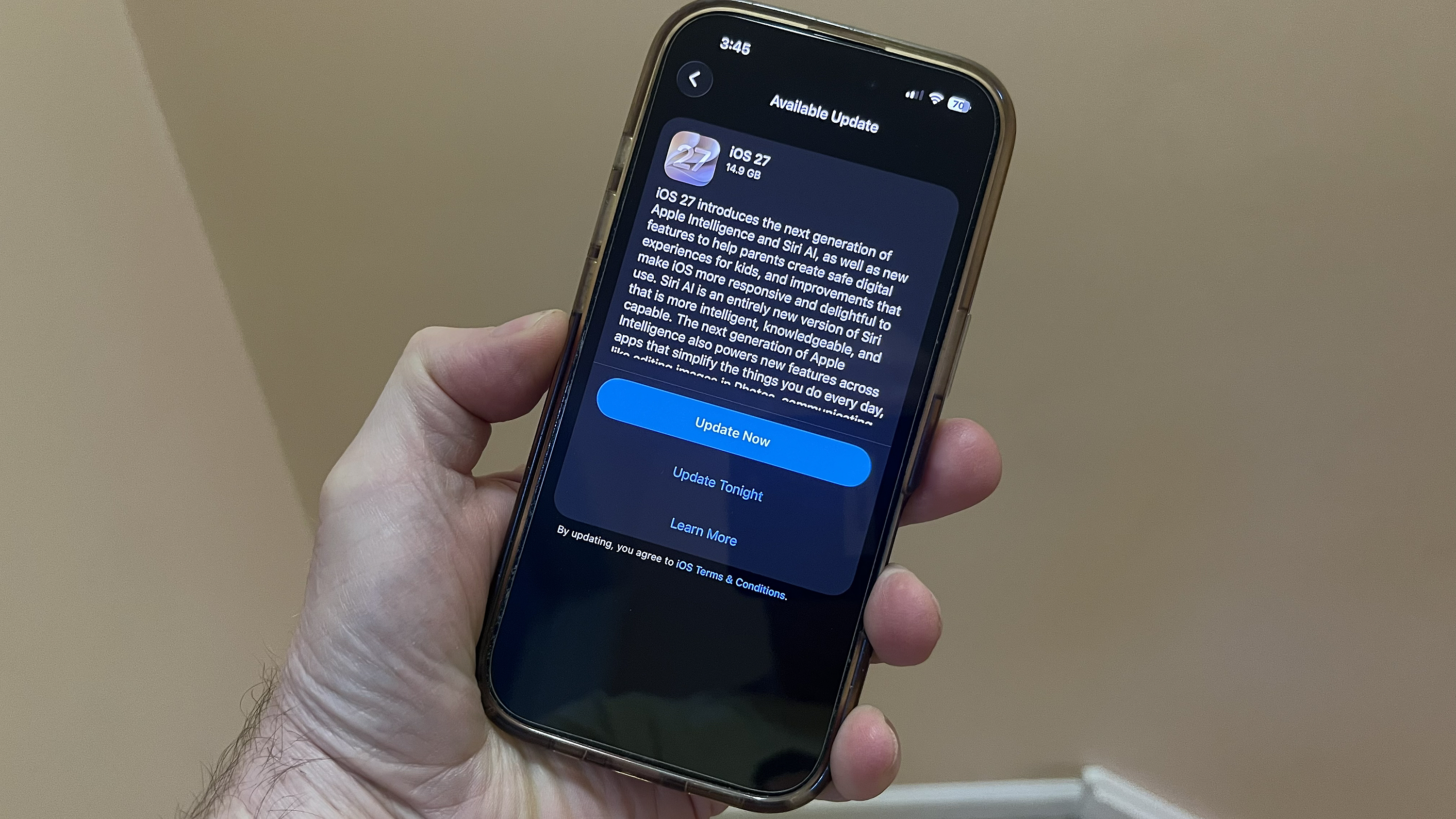
Apple's latest iOS 27 rollout, featuring a beta version of Siri AI, marks a significant moment in the company's approach to artificial intelligence. The update, initially available for English-speaking users, hints at Apple's deliberate pace in AI integration, contrasting with the rapid advancements seen in competitors' offerings. Apple's focus on security, with 120 patches included in the update, underscores its commitment to addressing vulnerabilities, though the sheer number raises questions about the timeliness of these fixes.
Siri AI Beta's Cautious Release Strategy
The introduction of Siri AI in beta form reflects Apple's careful strategy in deploying new AI technologies. By limiting availability to English-only devices initially, Apple seems to prioritize control and quality assurance over immediate widespread adoption. This cautious approach may stem from the company's desire to avoid the pitfalls experienced by other tech giants who rushed AI features to market, sometimes leading to public backlash over performance issues.
Despite these precautions, the lack of immediate multilingual support has left some users questioning Apple's readiness in the AI space. According to The Verge, support for additional languages such as French, Japanese, and Spanish is expected in October, which suggests a phased rollout designed to mitigate potential risks.
Security Patches: A Double-Edged Sword?
iOS 27's inclusion of 120 security patches is both reassuring and concerning. On one hand, it demonstrates Apple's proactive measures to secure its ecosystem. On the other, the volume of patches might indicate underlying vulnerabilities that have persisted for too long. ZDNet highlights this aspect, pointing out that such extensive patching could hint at a reactive rather than proactive security strategy.
While Apple's commitment to security is clear, the company's ability to address vulnerabilities before they become widespread threats remains under scrutiny. The timing of these patches, released alongside a major iOS update, suggests that Apple may have been aware of these issues but chose to bundle them with the launch of key features like Siri AI.
What Changes Next: More Customization and User Control
Beyond AI and security, iOS 27 introduces a new Liquid Glass opacity slider, allowing users to customize their device's UI between clearer and frostier appearances. This feature indicates a shift towards more personalization options, aligning with broader consumer demand for greater control over their devices' aesthetics and functionality.
As Apple continues to refine its AI and security strategies, the push towards customization may be a key differentiator in a competitive market. By offering users more control, Apple not only enhances the user experience but potentially increases brand loyalty among those who value personalization.
In conclusion, Apple's iOS 27 update presents a mixed bag of innovation and caution. The Siri AI beta's limited release and the extensive security patches reflect a company that, while innovative, is acutely aware of the risks associated with rapid technological advancement. As Apple navigates these challenges, its commitment to security and user customization will likely play pivotal roles in shaping its future strategies.