
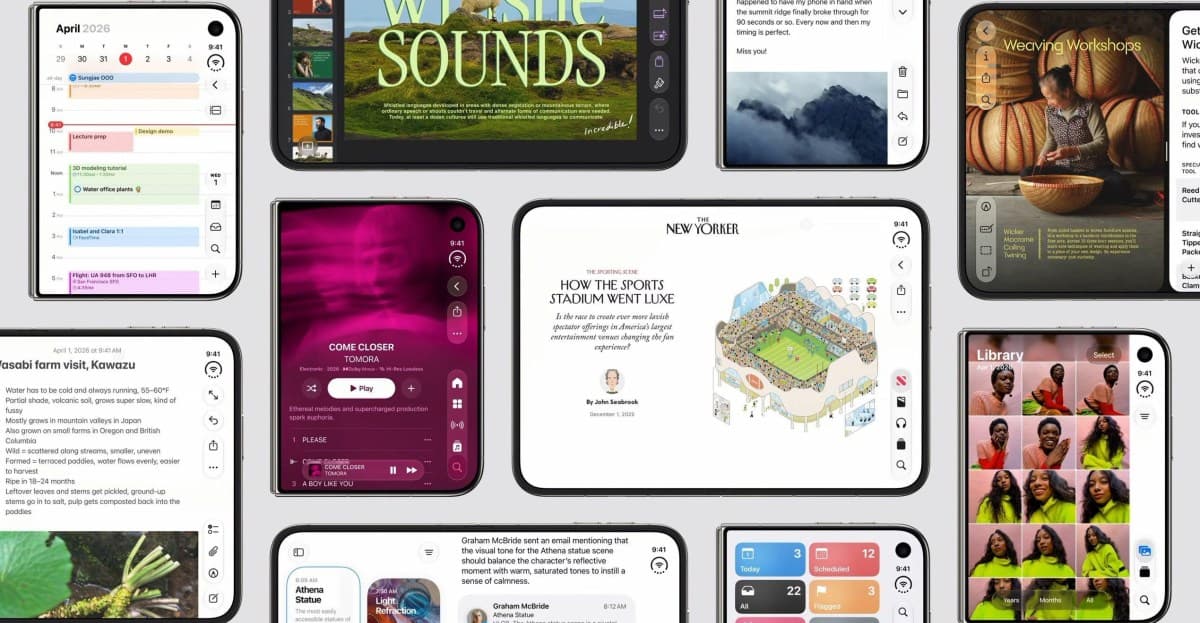
Apple has always been at the forefront of smartphone innovation, and the launch of the iPhone Duo marks a significant milestone. This foldable iPhone introduces a new era of multitasking possibilities, challenging existing perceptions of what a smartphone can do. With its $1,999 price tag, the iPhone Duo is not just a luxury device; it's a statement of intent from Apple to redefine user experience.
Why the Foldable Design Matters
The introduction of a foldable screen in the iPhone Duo is more than just a cosmetic change. This design allows users to leverage expanded screen real estate, which is crucial for enhanced multitasking. According to The Verge, Apple has not simply adapted its existing iOS but has drawn from iPadOS's multitasking capabilities. This strategic choice reflects a deeper understanding of consumer needs, as folding phones are increasingly becoming a practical solution for those who require more from their devices.
What iOS 27 Brings to the Table
Alongside the iPhone Duo, Apple has launched iOS 27, which integrates a host of new features, focusing significantly on AI enhancements. The new Siri AI, as highlighted by The Verge, introduces an advanced, AI-powered overhaul, initially available in English. This upgrade not only improves Siri's functionality but also signals Apple's commitment to integrating AI more deeply into its ecosystem.
Additionally, iOS 27 includes a Liquid Glass opacity slider, offering users the choice between clarity and a frosty aesthetic, alongside redesigned app icons. These changes are not just about aesthetics; they enhance usability and personalize the user experience, making the operating system more intuitive.
The Real-World Implications of Apple's New Direction
The implications of Apple’s latest releases are profound. By combining foldable technology with a robust operating system, Apple is not only meeting current consumer demands but also setting new standards for the industry. The integration of iPadOS elements into the iPhone Duo reflects a seamless blend of technologies that could redefine how users interact with their smartphones.
Moreover, the rollout of Siri AI marks a pivotal shift towards more intelligent, responsive devices. As Apple plans to expand language support for Siri AI in October, it is clear that the company is paving the way for a more inclusive and globally connected user base.
What Changes Next with Apple's Innovations?
Looking ahead, Apple's strategic innovations suggest a future where smartphones are not just communication tools but comprehensive productivity hubs. The iPhone Duo's foldable design could inspire other manufacturers to prioritize multitasking capabilities, influencing the broader market. Furthermore, with AI becoming an integral part of the OS, we can expect more personalized and efficient user interactions.
As Apple continues to refine its technological offerings, the emphasis will likely remain on enhancing user experience through thoughtful design and advanced features. The iPhone Duo and iOS 27 are just the beginning of what could be a transformative era for mobile technology.