
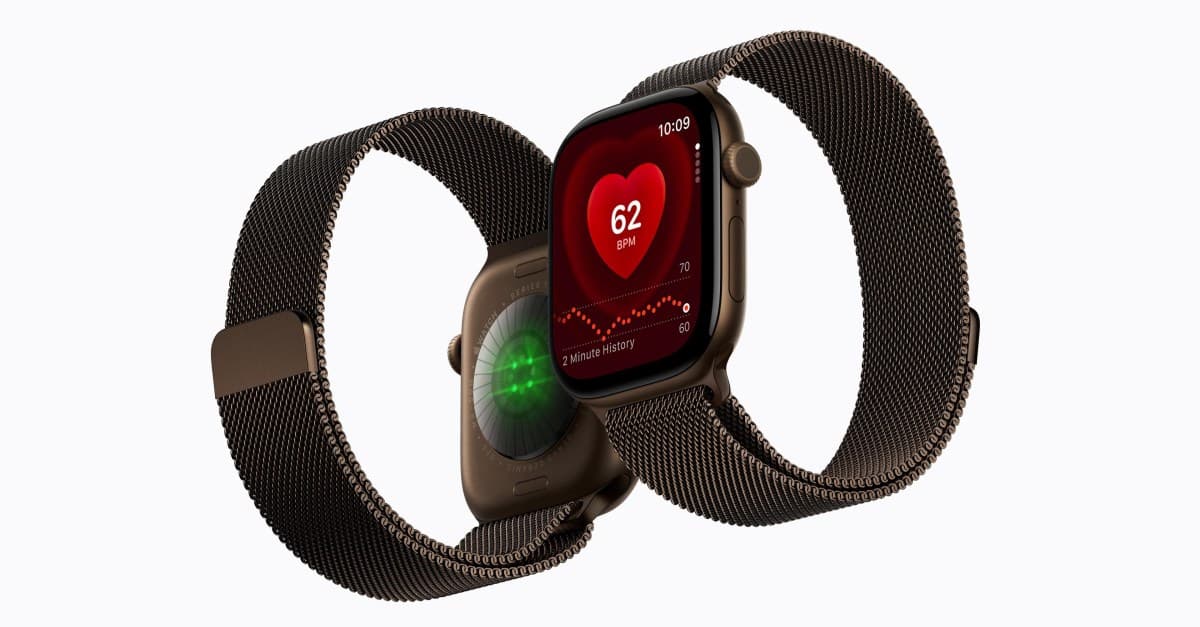
The Apple Watch Series 12 has ushered in a new era of wearable technology with its AI-driven features like Siri Recap and Live Rewind. These innovations promise to enhance user experience by providing convenient access to recent audio interactions. However, they simultaneously stir up longstanding privacy concerns, as they involve what Apple terms 'ambient listening.' While Apple assures users of privacy through robust technology, a deeper inquiry raises questions about the extent and implications of such features.
Why Apple's New Siri Features Stir Up Concerns
Apple's latest innovation, as reported by The Verge, involves the integration of AI-powered Audio Intelligence in the Apple Watch Series 12. This includes the ability to replay the last 15 seconds of audio through Live Rewind and summarize daily audio interactions via Siri Recap. Essentially, these features aim to streamline user interaction by making audio data instantly accessible. However, the inherent trade-off between convenience and privacy cannot be overlooked.
The ambient listening capability means the device is always aware of its surroundings, capturing audio data continuously. This raises significant privacy red flags, despite Apple's claim that the raw audio is processed within dedicated hardware and not stored permanently. As Wired notes, the assurances of privacy protections do not fully mitigate the potential risks associated with such pervasive listening capabilities.
The Tension Between Convenience and Privacy
Apple has strategically designed these features to function within the confines of its Secure Enclave, ensuring that the raw audio data never leaves the device. Yet, the prospect of constant audio monitoring still leaves room for debate about the boundaries between user convenience and privacy invasion. As our digital lives become increasingly integrated with AI technology, the ability to maintain privacy becomes an urgent concern. The question arises: How much of our personal space are we willing to compromise for enhanced functionality?
Furthermore, while Apple emphasizes that these features are secure, the larger issue is the potential normalization of ambient listening technology. This evolution might set a precedent for other tech companies to follow suit, potentially leading to a broader acceptance of continuous monitoring practices in consumer technology.
What Changes Next?
The introduction of AI-driven ambient listening in consumer devices like the Apple Watch Series 12 could redefine how we perceive personal privacy in the digital age. Companies will need to tread carefully, balancing the appeal of sophisticated AI features with the fundamental right to privacy. Users, on the other hand, might need to become more vigilant and discerning about the technology they adopt. As these trends advance, regulatory bodies could also step in to establish clearer guidelines and protections around such technologies.
In conclusion, while the Apple Watch Series 12 and its new features represent a leap forward in wearable technology, they also highlight the ongoing tension between innovation and privacy. As consumers, the challenge will be to navigate these developments consciously, ensuring that technological advancements do not come at the expense of personal freedom.