Apple's latest operating system updates, iOS 27 and iPadOS 27, are making waves in the tech community for both their innovative features and their exclusion of older devices. As Apple continues to push the boundaries of mobile technology, it also accelerates the cycle of obsolescence, leaving many users with tough choices about upgrades. This dual-edged sword of innovation is reshaping the way consumers interact with their devices.
Why the Buzz Around iOS 27?
iOS 27 introduces a slew of new features, with a particular spotlight on Siri's enhanced capabilities. According to Wired's coverage, these updates aim to make Apple's virtual assistant more intuitive and responsive, promising a smoother user experience. The improvements in Siri are a strategic move by Apple to maintain its competitive edge in the virtual assistant market, which has become a key battleground for tech giants.
The Trade-Off: New Features at the Cost of Compatibility
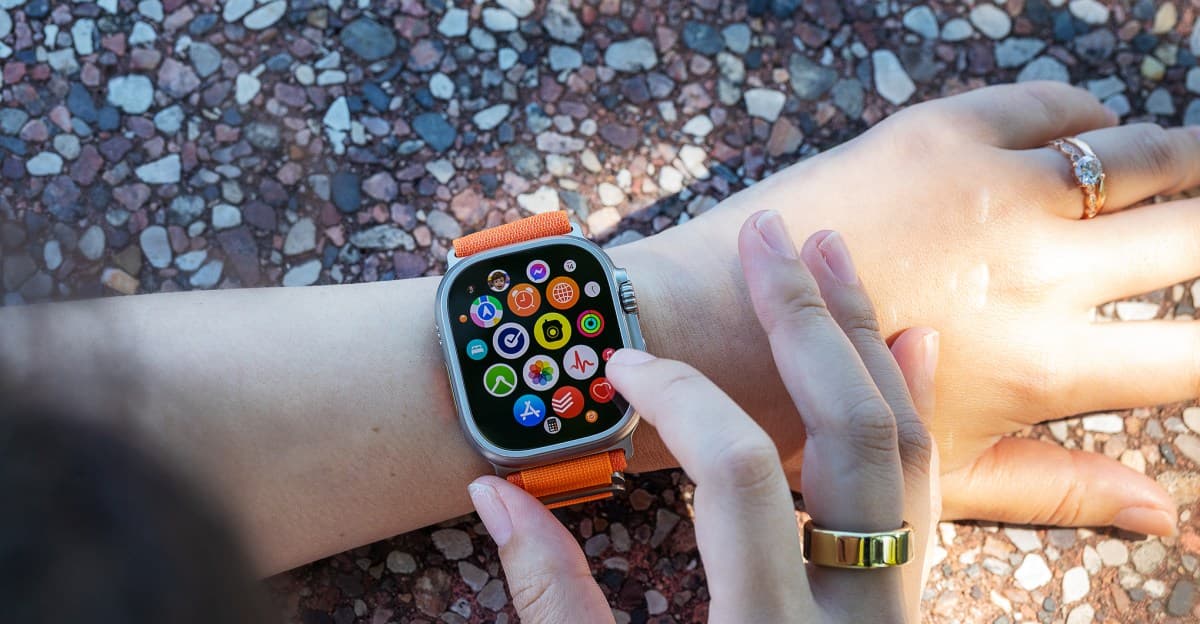
However, the excitement over new features is tempered by Apple's decision to drop support for a wide range of older devices. As reported by The Verge, the latest watchOS 27 update will not be available for any Apple Watches below the Series 10. This means that users with devices as recent as the Apple Watch Series 9, a model less than three years old, must now consider upgrading if they wish to access the latest software enhancements.
This move reflects a broader trend in the tech industry where rapid innovation often leads to a quicker cycle of device obsolescence. For consumers, this creates a recurring dilemma between enjoying new technological advancements and sticking with their current devices for as long as possible.
Real-World Tension: Consumers Caught in the Upgrade Cycle
The tension between innovation and obsolescence is palpable among Apple users. Many are left questioning the longevity of their investments in Apple devices. On platforms like Reddit, users express frustration over Apple's aggressive upgrade cycle, which often feels like a push towards unnecessary consumption. This sentiment is echoed by consumer advocacy groups that argue for longer software support to reduce electronic waste and promote sustainability.
What Changes Next for Consumers and Apple?
Moving forward, Apple and its competitors may need to reconsider their approach to device longevity and software support. While innovation is essential for maintaining market leadership, balancing it with sustainable practices could enhance brand loyalty and consumer satisfaction. Companies might explore offering more robust trade-in programs or extending the lifespan of older devices through software updates that do not compromise new feature developments.
For consumers, the key takeaway is to weigh the benefits of new features against the cost of frequent upgrades. Understanding the pace of technological change and planning purchases accordingly can help manage expectations and financial implications. As the tech cycle continues, maintaining a balance between embracing innovation and ensuring value for money remains a crucial consideration for both companies and consumers alike.