Apple's Siri Evolution May Reshape Search Landscape
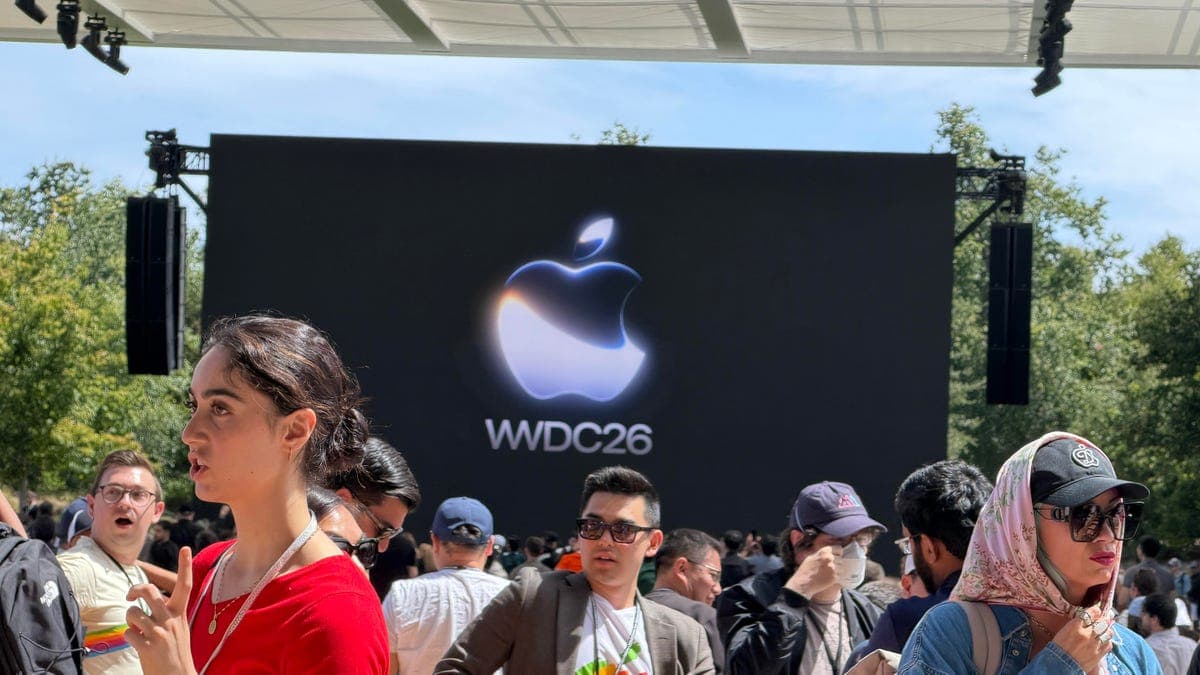
Apple's recent Worldwide Developers Conference (WWDC) introduced a significant update to Siri, now powered by the Gemini AI. While much of the tech community focused on the aesthetics of iOS 27 and other updates, this AI integration could be a turning point in how users interact with search engines.
The traditional belief that Google's search engine is unrivaled is deeply ingrained in the tech world. Google has reigned supreme due to its vast database and sophisticated algorithms. However, Apple's move to integrate AI into Siri suggests a strategic pivot that could challenge this dominance. The potential for Gemini-powered Siri to offer a more personalized and efficient search experience can't be overlooked, especially as users increasingly prioritize convenience and customization.
Why Google's Search Supremacy Is Being Questioned
The integration of AI into Siri isn't just a technical upgrade; it's a strategic move that signals Apple's ambition to carve out a larger slice of the search market. According to a Search Engine Journal article, the new Siri could alter the visibility of search results, which have traditionally been dominated by Google's algorithms. This shift opens up questions about how search engine optimization (SEO) tactics might evolve and how digital marketers should adapt to ensure visibility across platforms.
However, this doesn't automatically spell doom for Google. A change of this magnitude won't happen overnight, and Google's infrastructure and user base are immense. Yet, the potential of AI to redefine user interaction with search engines is undeniable. As more users engage with AI-driven assistants, the demand for more sophisticated AI in search will only grow.
Tech Enthusiasts Often Misjudge Apple's Moves
Interestingly, the tech community's predictions leading up to WWDC often miss the mark. A ZDNet poll revealed how fans inaccurately forecasted Apple's announcements. This highlights a recurring misunderstanding of Apple's strategic direction. While aesthetics and hardware improvements receive much attention, the company's underlying AI advancements are often underestimated.
This pattern suggests a broader issue: the tech world frequently overlooks the implications of strategic partnerships and AI advancements. As Apple continues to refine its AI capabilities, the need for tech enthusiasts and industry experts to recalibrate their focus becomes more apparent.
What Changes Next? The Implications Are Vast
As the tech landscape evolves, the integration of AI into everyday technology will become more pronounced. For Apple, it means positioning itself not just as a device maker but as a leader in user-centric AI. This evolution demands that industry players—from developers to marketers—reassess their strategies.
For users, this shift could enhance privacy and control over their data. Apple's commitment to privacy is well-documented, but the real test will be how this commitment holds up as AI becomes more integrated into its ecosystem. For marketers, the challenge will be to adapt to a new SEO landscape where AI-driven search engines are increasingly influential.