
Skip to content
1See where you stand
AI BeaconYour brand across 7 AI engines and Google AI Rank TrackerGoogle and Bing positions, by country Keyword Explorer87M+ keywords with volume and intent BacklinksEvery linking domain, scored from 0 to 100
2Fix what holds you back
Technical SuiteCrawl your site and find what's broken AutoFixPart of Technical Suite. Fixes applied on your live site. Content StudioContent in your brand voice, ready to publish
3Measure the uplift
Web AnalyticsVisits from search and AI, in one view Reports & DashboardsCustom dashboards and scheduled reports
On top of every engine
Ask SEORCEBetaYour AI agent. Ask about your project in the app or on WhatsApp.
Free to use
Browser extension Free tools API reference
Every engine reads the same project data.See the full platform →
By team
EnterpriseMany sites and markets, one method Global brandsYour brand in search and AI answers AgenciesA project for each client, priced per project ConsultantsRun client work from one account E-commerceProduct and category pages buyers can find D2C brandsVisibility for brands that sell direct B2B & SaaSBe there while buyers research
By industry
Automotive Baby & kids Beauty Consumer electronics Education Energy & utilities Fashion Financial services FMCG Food & beverage Health & wellness Healthcare Home & furniture Insurance IT services Legal Logistics Luxury Manufacturing Marketplaces Media & publishing Multi-location brands Pharma Professional services Real estate Sports & entertainment Telecom Travel & hospitality
A project for each site or market.See all solutions →
Learn
BlogGuides and notes from our team FeedAI and SEO news, as it moves The GEO guideGenerative engine optimisation, start to finish
Get the job done
Use casesHow to get a job done, topic by topic PlaybooksWhat to do when things change
AI visibility tracking Automated technical SEO Recover from a traffic drop Prove SEO ROI to leadership
Free resources
Free toolsSchema and content brief generators, and more Browser extensionFor Chrome, Edge and Firefox. Audits the page you're on, free.
Help and updates
Docs API API reference Changelog
Enterprise
Pricing
Log in Book a demo Start free
Platform
See where you stand
AI Beacon Rank Tracker Keyword Explorer Backlinks
Fix what holds you back
Technical Suite AutoFix (in Technical Suite) Content Studio
Measure the uplift
Web Analytics Reports & Dashboards
On top of every engine
Ask SEORCE (beta)
Free to use
Browser extension Free tools See the full platform →
Solutions
By team
Enterprise Global brands Agencies Consultants E-commerce D2C brands B2B & SaaS
By industry
Automotive Baby & kids Beauty Consumer electronics Education Energy & utilities Fashion Financial services FMCG Food & beverage Health & wellness Healthcare Home & furniture Insurance IT services Legal Logistics Luxury Manufacturing Marketplaces Media & publishing Multi-location brands Pharma Professional services Real estate Sports & entertainment Telecom Travel & hospitality See all solutions →
Resources
Learn
Blog Feed: AI and SEO news The GEO guide
Get the job done
Use cases Playbooks AI visibility tracking Automated technical SEO Recover from a traffic drop Prove SEO ROI to leadership
Free resources
Free tools Browser extension
Help and updates
Docs API API reference Changelog
Company
About us Careers Contact Partners Alternatives Comparisons SEORCEBot, our crawler Legal
Enterprise Pricing
Book a demo Start free Have an account? Log in
Theme
SEORCE. The source. An AI-native SEO and GEO platform for mid-market and enterprise brands, and the agencies that serve them.
#1 on Product Hunt
NVIDIA Inception member
Platform
  • AI Beacon
  • Keyword Explorer
  • Content Studio
  • Technical Suite
  • Backlinks
  • Rank Tracker
  • Web Analytics
  • Reports & Dashboards
  • Ask SEORCE · beta
Solutions
  • For B2B & SaaS
  • For e-commerce & D2C
  • For agencies
  • For global brands
  • For enterprise
  • All industries
Learn
  • Use cases
  • Playbooks
  • Blog
  • Feed
  • Browser extension
  • Free tools
  • Docs
  • API
  • API reference
  • Changelog
Company
  • Pricing
  • Alternatives
  • Comparisons
  • Partners
  • About us
  • Careers
  • Contact
  • SEORCEBot
  • Book a demo
  • Legal
© 2026 SEORCE, Inc. · Delaware, US · All rights reserved
Privacy Terms Cookies Billing & refunds

Cookies on seorce.com

We use cookies the site needs to work. With your permission we would also like to use analytics cookies to see how the site is used, and marketing cookies to measure our ads. You can change your choice at any time from Cookie preferences at the foot of every page. Read the cookie policy.

Your browser is sending a Global Privacy Control signal, so marketing cookies stay off.

Strictly necessaryRemember your theme and this choice. Always on.
On
Published Aug 31, 2026

Challenges of Integrating AI Employees in Business

Navigating the complexities of AI integration reveals a tension between promise and reality.

Add as a preferred source on Google

TL;DR

  • AI employees promise efficiency but demand precise training.
  • There's tension between AI's potential and actual business impact.
  • Skills gaps in AI development could hinder seamless integration.
  • Missteps in AI training can lead to costly operational failures.
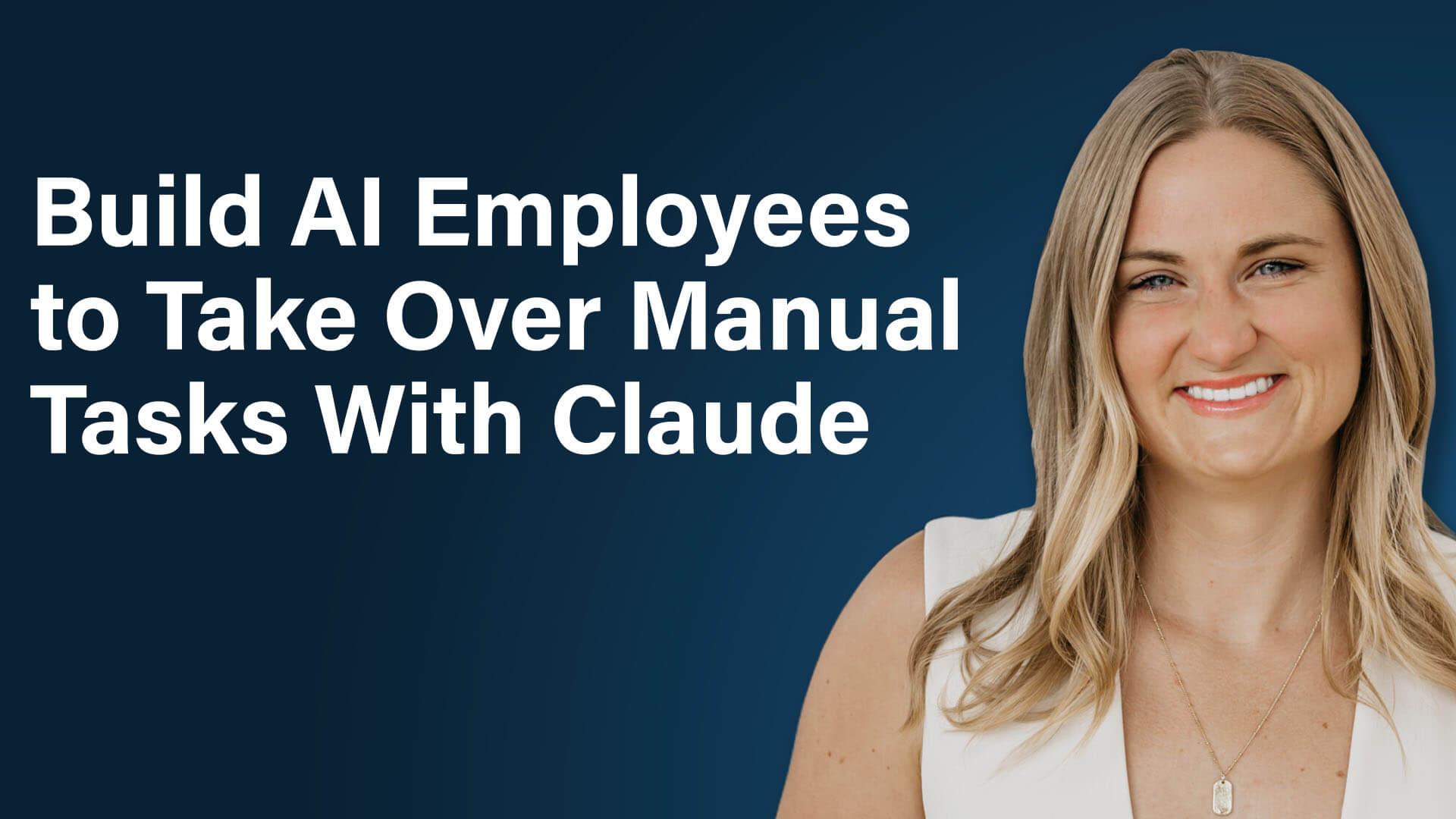
How to Build AI Employees to Get Work Off Your Plate
Social Media Examiner

As businesses increasingly consider integrating AI employees to offload certain tasks, a new challenge emerges: aligning AI capabilities with organizational standards and expectations. The allure of AI employees primarily lies in their potential to automate routine tasks, freeing up human workers for more strategic roles. However, the reality of implementing such technologies often falls short of expectations due to a lack of adequate training and understanding of AI's operational boundaries.

Why AI Employees Seem Like a No-Brainer

Many businesses are drawn to AI employees because they promise to handle repetitive tasks efficiently. The Social Media Examiner highlights the potential for AI systems to take over manual work, suggesting that AI could be scheduled and trained to meet specific business needs. This sounds like an ideal solution for companies looking to streamline operations and reduce labor costs.

Yet, the concept is more complex than it appears. AI must be intricately trained to match business standards and workflows. This requires a deep understanding of both the capabilities and limitations of AI technologies. Andrew Ng, a prominent figure in AI development, outlines essential skills for building such systems. However, critics argue that there are still gaps in this framework, particularly in areas like ethical considerations and practical deployment challenges.

The Reality Check: Why AI Isn't a Magic Wand

The promise of AI employees often clashes with operational realities. Despite their potential, AI systems can fall short if not properly integrated. The ZDNet article points out that the rise of generative and agentic AI has reshaped software development, yet there's a disconnect between AI's theoretical capabilities and its practical application in business settings.

This gap is partly due to a lack of comprehensive training and a clear understanding of AI's operational limits. AI technologies are not one-size-fits-all solutions and require significant customization to fit specific business needs. Failure to address these nuances can lead to operational inefficiencies and, in some cases, costly errors.

What Changes Next: Bridging the Skills Gap

To fully realize the potential of AI employees, businesses must address the skills gap in AI development. This involves not only technical skills but also a keen understanding of AI ethics and deployment strategies. Training programs need to evolve to cover these areas comprehensively, ensuring that AI systems are both effective and aligned with business values.

Moreover, businesses should foster a culture of continuous learning and adaptation. As AI technologies evolve, so too must the skills and strategies employed by businesses to harness them effectively. This proactive approach can mitigate risks and maximize the benefits of AI integration.

In conclusion, while AI employees offer exciting possibilities, their successful implementation hinges on careful planning, targeted training, and a clear understanding of their operational limits. By addressing these areas, businesses can better navigate the complexities of AI integration and leverage these technologies to their fullest potential.

See more SEORCE in your Google results

Add us as a preferred source to see more of our stories in Google's Top Stories.

Add as a preferred source on Google

FAQ

What are AI employees?

AI employees are systems designed to automate routine tasks within a business, potentially freeing up human workers for more strategic roles.

Why is training AI employees important?

Proper training ensures that AI systems align with business standards and can efficiently perform designated tasks without errors.

What skills are necessary for AI development?

According to experts, skills in AI ethics, deployment strategies, and a deep understanding of AI capabilities and limitations are crucial for effective AI development.

Entities

AI EmployeesAndrew NgGenerative AIAgentic AIAI TechnologiesAI EthicsBusiness StandardsOperational Efficiency

Tags

AI IntegrationBusiness AutomationTraining ProgramsOperational ChallengesEthical AIContinuous LearningAI DevelopmentSkills Gap

Topics

Artificial IntelligenceBusiness

Sources

How to Build AI Employees to Get Work Off Your Plate
Social Media Examiner
4 AI development skills you need, according to Andrew Ng - and what experts say he's missing
ZDNet
I have 7 days free. What AI project would actually impress you?
r/developersIndia
I think we're underestimating how much AI changes the value of being “good at the first draft.”
r/ChatGPT

More like this