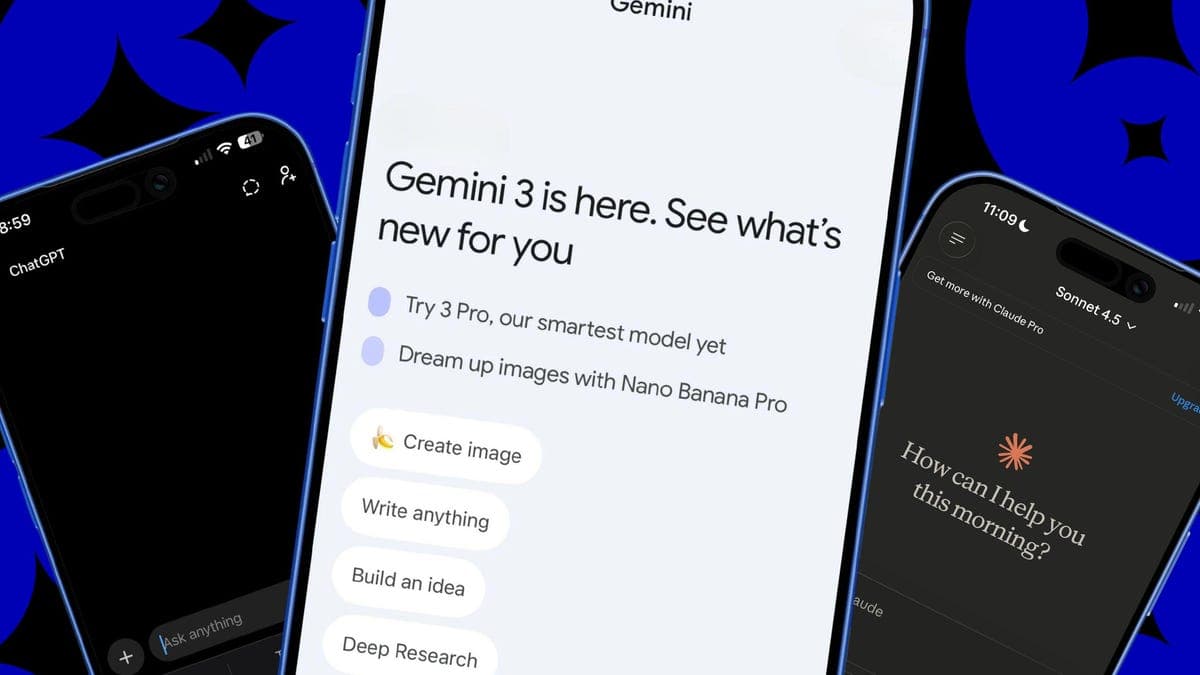
In the world of artificial intelligence, ChatGPT has emerged as a household name, almost synonymous with AI-driven tasks. Its ability to draft emails, generate content, and assist with coding has made it a go-to tool for many. However, its pervasive presence has sparked a debate: Is ChatGPT truly the best tool for every job, or are there better alternatives that are being overshadowed by its popularity?
The current belief among many users is that ChatGPT, particularly its latest iterations like ChatGPT 5, is a one-size-fits-all solution. This perception is fueled by the tool's ability to handle a multitude of tasks, from drafting marketing emails to providing conversational responses. According to a report by Ahrefs Blog, ChatGPT's search frequency has surpassed even popular platforms like YouTube and Instagram, indicating its widespread usage and acceptance.
However, this belief is not entirely accurate. While ChatGPT is undeniably versatile, it is not always the most effective tool for every task. An article from ZDNet highlights that relying solely on ChatGPT can be limiting. The piece emphasizes the importance of selecting AI models based on the specific requirements of a task rather than defaulting to ChatGPT out of convenience or habit. This is echoed by G2 Learn, which discusses the differences between ChatGPT 4 and ChatGPT 5, noting that while improvements have been made, there are still areas where other AI models might excel.
In the real world, the limitations of ChatGPT become apparent when specific needs arise. For example, while ChatGPT can draft emails efficiently, as noted by the AWeber Blog, it is not capable of integrating directly with email services like AWeber without human oversight. It requires manual review and approval before sending, which means it cannot fully automate the email process. This limitation is significant for businesses looking to streamline operations and reduce manual intervention.
Moreover, there are specialized AI models that outperform ChatGPT in certain areas. For instance, AI models designed for coding might offer better syntax understanding and debugging capabilities than ChatGPT, which is primarily a language model. This specialization is crucial for professionals who require precision and efficiency in their work.
Our editorial stance is clear: while ChatGPT is a powerful tool, it should not be viewed as the ultimate solution for every AI-related task. Users should assess their specific needs and explore other AI models that might offer better functionality for certain applications. The tendency to rely on ChatGPT due to its popularity can lead to inefficiencies and missed opportunities for optimization.
In conclusion, the AI landscape is rich with diverse tools, each with its strengths and weaknesses. Embracing a more nuanced approach to AI tool selection, rather than defaulting to ChatGPT, can lead to better outcomes and more efficient workflows. As the technology continues to evolve, users must remain informed and adaptable to leverage the best tools available for their specific needs.