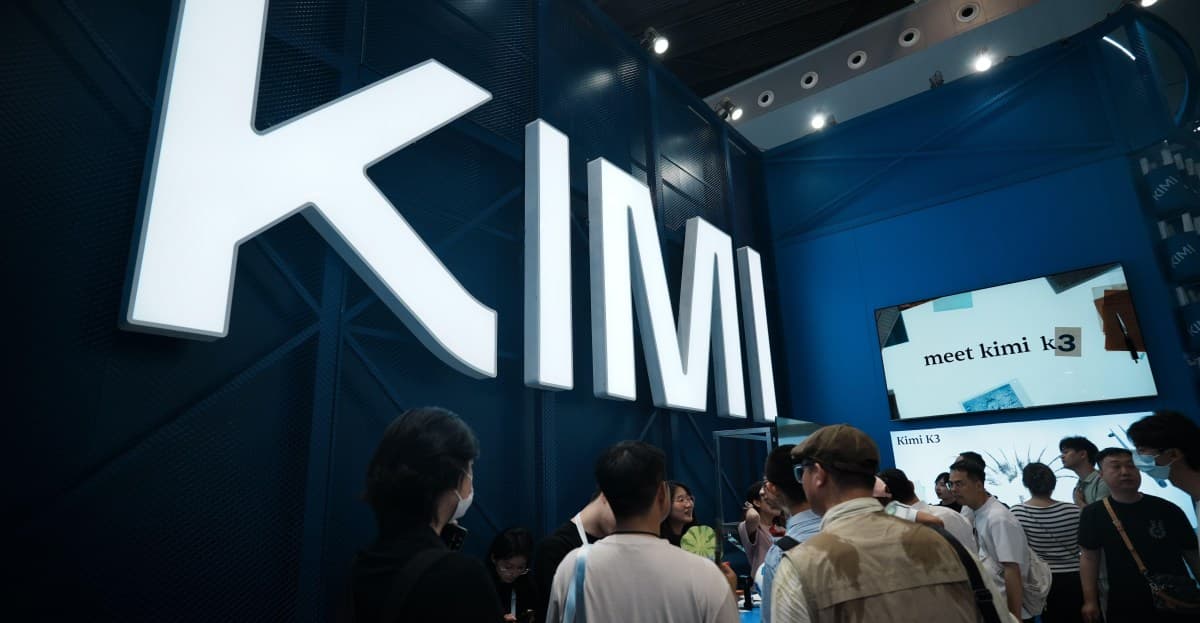
In a landscape where artificial intelligence is becoming a cornerstone of national power, China's recent strides in AI development have sent ripples through the tech world. The unveiling of advanced AI models by Chinese companies such as Moonshot and Alibaba has not only challenged America's lead but also stirred economic and geopolitical concerns. This development reveals a shift that's been brewing beneath the surface, challenging the perceived invincibility of Silicon Valley.
Why America's AI Superiority Is Under Scrutiny
For years, the United States has been the undisputed leader in AI innovation, with companies like OpenAI and Anthropic setting the pace. The recent announcements from China suggest this lead is narrowing. Moonshot's Kimi K3 model, for instance, claims to outshine nearly every US counterpart, save for OpenAI. This revelation underscores a broader trend: the US's once comfortable position at the AI frontier is increasingly precarious. The technology's centrality to national security and economic power means that these developments are more than just technological rivalries—they are strategic contests.
Why the Surprise? Understanding the Overlooked Change
Despite its significance, the shift in AI prowess was met with a mix of surprise and skepticism. Headlines painted a picture of shock, with terms like "Sputnik moment" and "surprise breakthrough" dominating the narrative. But should it have been surprising? The rapid development of Chinese AI capabilities has been an open secret. Still, the US's focus has perhaps been too inward, distracted by internal competition and high-profile models, leaving it vulnerable to external advancements.
What This Means for Global Tech and Security
The implications of these developments are far-reaching. With China's AI models proving to be cost-effective and competitive, US tech giants may need to reevaluate their strategies. The existing model of heavy investment in data centers and chip manufacturing could become unsustainable if Chinese alternatives continue to offer similar capabilities at lower costs. Moreover, the integration of AI into national security strategies means that this isn't just a commercial concern but a strategic one.
The global balance of tech power is shifting, and with it, the dynamics of geopolitical influence. As AI becomes increasingly embedded in defense and economic strategies, countries that dominate this sphere will have a significant advantage. The US must now consider how to respond: through innovation, regulation, or perhaps a mixture of both.
The Road Ahead: Innovation or Regulation?
Looking forward, the question remains: how will the US maintain its edge in the face of such formidable competition? Some argue for an increase in innovation and investment to outpace rivals, while others suggest that regulation could help manage the competitive landscape. Either way, the US cannot afford complacency. The nature of global tech leadership is changing, and the US must adapt to maintain its influence.
The developments in Chinese AI are not just a wake-up call but a clarion call for the US to reassess its approach to maintaining technological supremacy. The stakes are high, and the coming years will be pivotal in determining the global leaders in AI technology.